Trusted by 40,000+ US & European parents
How to Reduce Kids Screen Time Without the Meltdowns
The exact step-by-step system parents are using to cut daily screen time by 50–70%, improve sleep, focus and mood — while keeping the peace at home.
No more bedtime battles
Better sleep in 7 days
Works for ages 2–16

67%
Average drop in daily screen time after 14 days
😴
Better Sleep
🧠
More Focus
😊
Happier Kids
0
Hours/day average teen screen time
0
% of parents worried about screens
0
% of families fight about phones weekly
0
% of kids melt down when time ends
THE REAL COST
Why Parents Feel Guilty About Screen Time
You are not alone. Millions of US and European parents search “how to reduce kids screen time” every month because they see the same warning signs.
😴
Sleep is Collapsing
Blue light and late-night scrolling push bedtime later. Kids lose deep sleep, which fuels irritability, poor concentration, and next-day cravings for more screens.
🧠
Attention is Shrinking
Fast-paced short videos train the brain for constant novelty. Homework becomes a battle. Reading feels “boring.” Focus windows get shorter every month.
💔
Mood & Connection Suffer
When the device is removed, many kids explode. Family dinners turn quiet. Outdoor play disappears. Parents feel like the “bad guy” every single day.

Nature time replaces screen time
Real connection outdoors

Active play builds focus
Movement reduces restlessness

Hands-on creativity wins
Crafts keep minds engaged
What Too Much Screen Time Actually Does
Sleep disruption risk
+78%
Attention problems
+62%
Anxiety / low mood link
+55%
Physical activity lost
-41%
The Good News
These effects are reversible. Families who systematically reduce screen time report rapid improvements in sleep, mood and focus — often within the first 7–14 days.
- ✓ Better emotional regulation
- ✓ More creative independent play
- ✓ Stronger parent-child connection
- ✓ Fewer daily power struggles
EXPERT GUIDELINES
How Much Screen Time Is OK by Age?
Based on the latest American Academy of Pediatrics guidance and European paediatric recommendations. Quality + context matter more than pure minutes.
👶
Under 18 months
0 hrs
Except video calls with family. Real-world interaction is critical for brain development.
🧒
Ages 2–5
≤ 1 hr
High-quality only. Co-view with parent. Prefer slow-paced educational content.
👦
Ages 6–12
1–2 hrs
Entertainment only. Never replace sleep, outdoor play or family time. No bedrooms.
🧑
Teens 13+
2 hrs+
Focus on balance. Prioritize sleep, real friendships and offline hobbies. Family media plan is essential.
THE SOLUTION
How to Reduce Kids Screen Time: The 7-Step System
This is the exact framework used by families who successfully cut screen time without constant battles.
1
Create a Family Media Plan Together
Kids resist rules they had no voice in. Sit down and decide as a team: when, where, what, and how long screens are allowed. Write it down and post it on the fridge.
Pro tip: Include parents’ rules too. Kids notice hypocrisy instantly. Model the behavior you want.
2
Remove Screens from Bedrooms & Meals
Research shows the biggest reduction in addictive use comes from two simple rules: no devices in bedrooms overnight and no phones at the table. Charge everything in the kitchen.
3
Replace, Don’t Just Remove
Empty time creates resistance. Have ready alternatives: outdoor play, crafts, cooking, reading, board games, or a simple “activity menu” kids can choose from when they feel bored.
4
Use Hard Limits + Warnings
Soft limits (“just 10 more minutes”) fail. Use device tools (Screen Time / Family Link) for hard cut-offs. Give a 10-minute and 2-minute warning so the brain can prepare for the transition.
5
Delay Personal Devices as Long as Possible
Many experts now recommend no personal smartphone until high school and no social media until 16. Shared family tablets with strong parental controls are far safer.
6
Protect the Hour Before Bed
No screens 60 minutes before bedtime. Replace with reading, conversation, stretching, or a calm family ritual. Sleep quality improves dramatically within days.
7
Expect Resistance — and Stay Calm
Withdrawal is real. The first 3–7 days can be hard. Stay consistent, empathize (“I know this feels tough”), and keep the boundary. Most families see the storm pass and new habits stick.
REPLACE THE SCREEN
30 Screen-Free Activities Kids Actually Love
The secret to successfully reducing screen time is having better options ready. Print this list and stick it on the fridge.

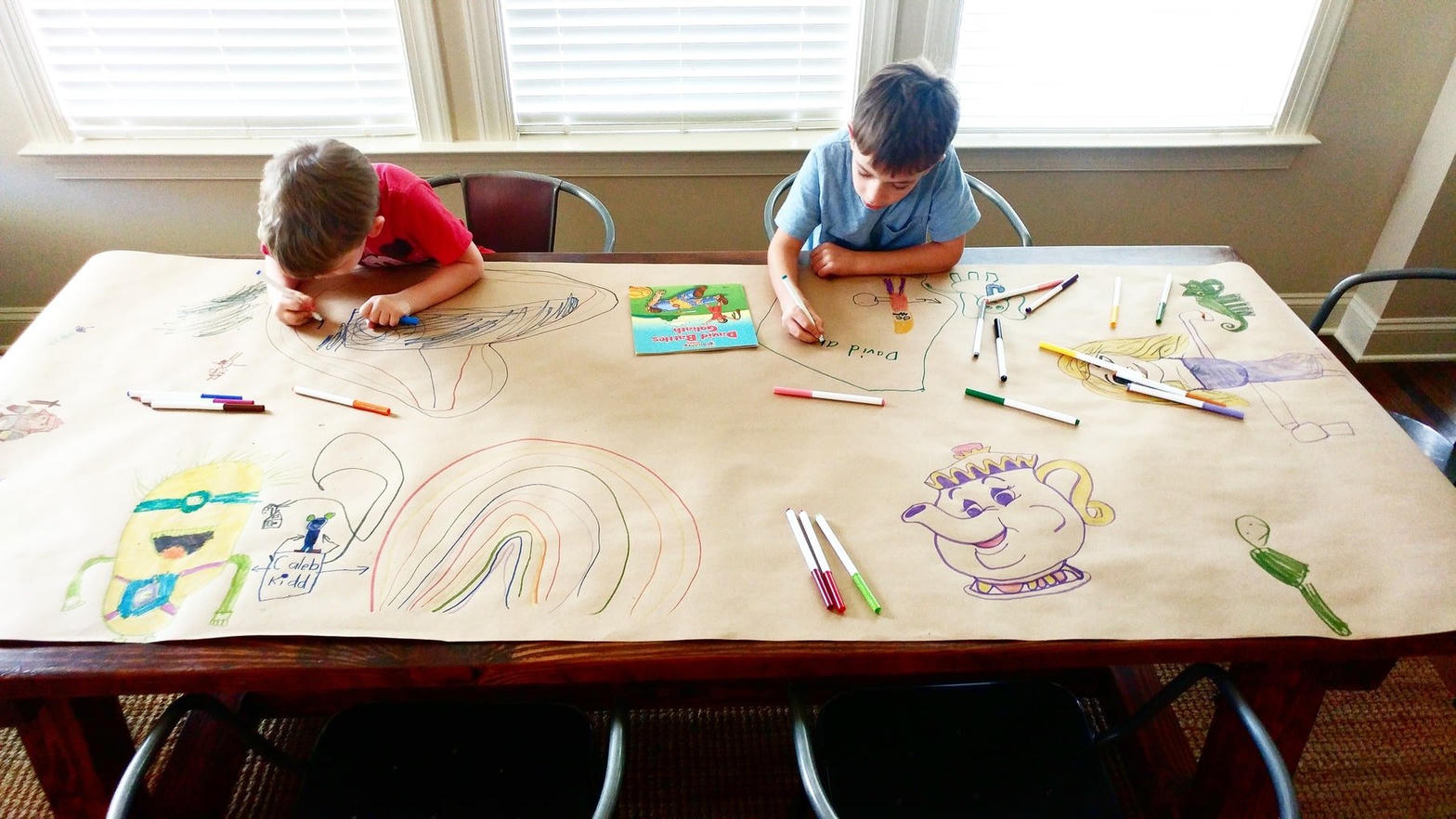

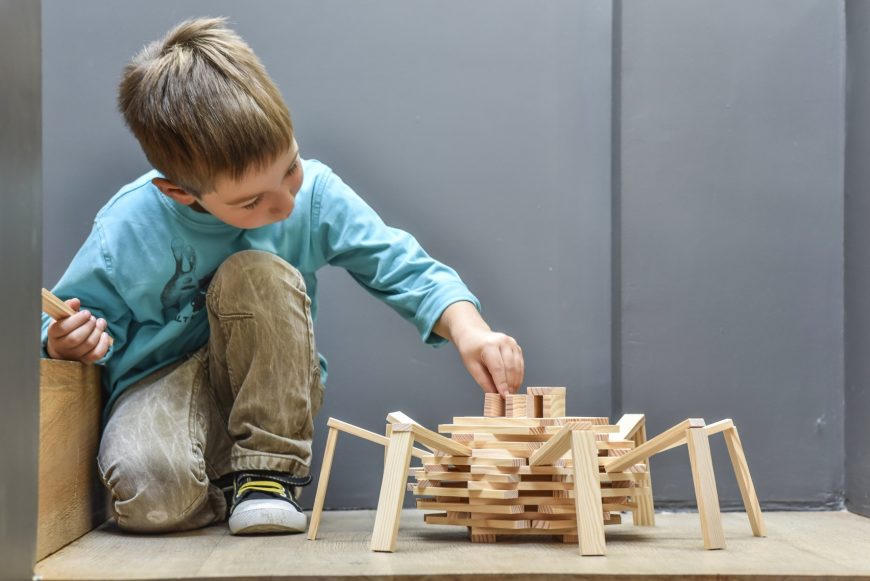
🌳
Outdoor & Movement
- • Backyard obstacle course
- • Nature scavenger hunt
- • Bike or scooter adventure
- • Sidewalk chalk masterpieces
- • Cloud watching + stories
- • Family walk + “I Spy”
🎨
Creative & Hands-On
- • Junk modelling (cardboard + tape)
- • Bake cookies or muffins together
- • Build a fort with blankets
- • Puppet show with socks
- • DIY slime or playdough
- • Create a comic strip
📚
Calm & Independent
- • Reading nook with lamp
- • Puzzle race (timer on)
- • Board games or card games
- • Lego free-build challenge
- • Journal or drawing journal
- • Audiobook + coloring
👨👩👧
Family Connection
- • Family Olympics (silly races)
- • Cook dinner as a team
- • Storytelling circle
- • Board game tournament
- • Dance party in the living room
- • “What I loved today” sharing
🎧
For Tweens & Teens
- • Vision board creation
- • Learn a simple instrument
- • Start a small business idea
- • Photography walk (real camera)
- • Book club with friends
- • Volunteer or help a neighbor
⚡
5-Minute Resets
- • Stretch or yoga poses
- • Water plants or feed pets
- • 10 push-ups + 10 sit-ups
- • Write 3 things you’re grateful for
- • Organize one drawer
- • Call a grandparent
RESET BUTTON
14-Day Digital Detox for Kids
When screen habits feel completely out of control, a structured short detox can reset the nervous system and make new rules easier to stick.
How the 14-Day Reset Works
-
1
Days 1–3: Full break from entertainment screens. Keep only essential school or communication use. Expect higher emotions — this is normal.
-
2
Days 4–7: Reintroduce 30–45 minutes of high-quality content only after outdoor play or homework. Focus on rebuilding independent play.
-
3
Days 8–14: Move to your long-term family media plan. Keep bedrooms and mealtimes screen-free permanently.
What Parents Notice
- → More creative play returns
- → Bedtime becomes easier
- → Conversations get deeper
- → Mood stabilizes after day 5–7
- → Kids start suggesting offline ideas
Many families report the hardest part is the first 72 hours. Consistency is the only way through.
Helpful Tools That Actually Work
Technology can help you enforce the rules so you don’t have to be the police every night.
📱
Apple Screen Time
Downtime, App Limits, Content Restrictions. Free and built-in.
🤖
Google Family Link
Daily limits, bedtime schedules, app approval for Android.
🔒
Freedom / Opal
Block distracting apps across devices with hard schedules.
📖
Common Sense Media
Age ratings and reviews so you know what’s actually good.
What Parents Are Saying
★★★★★
“We followed the 7 steps and cut our 9-year-old’s screen time from 4 hours to under 90 minutes. The meltdowns stopped after day 6. Best decision we’ve made this year.”
Sarah M. — Austin, TX
Mom of two
★★★★★
“The bedroom rule alone changed everything. My teen now sleeps better and is less anxious. I wish I had known how to reduce kids screen time this way years ago.”
James R. — London, UK
Dad of 14-year-old
★★★★★
“We did the 14-day detox over spring break. By the end the kids were inventing their own games again. Screens no longer feel like the default.”
Priya K. — Toronto
Mom of three
Frequently Asked Questions
Ready to Take Back Family Life?
You now have the exact roadmap on how to reduce kids screen time that thousands of parents are already using. The only thing left is to start.
READY-TO-USE SOLUTION
The Perfect Screen-Free Tool for Ages 2–4 (and Beyond)
You now know how to reduce kids screen time. Here’s a simple, low-prep way to fill that time with real learning and fun — right at home.


Lifetime Access • Instant Download
Preschool Learning Bundle for Ages 2–4
Tracing • Color Matching • Shapes • Numbers + Free Farm Busy Book
This printable preschool learning bundle turns passive screen time into joyful, hands-on learning. With 2000+ activity pages covering 40+ essential early skills, it gives your child education and fun at home with almost zero preparation — just print and play.
✓
Replaces screen time with active, brain-building worksheets kids actually enjoy
✓
Low preparation — print at home (color or black & white) and you’re ready in minutes
✓
Lifetime access — download once, print as many times as you need, forever
✓
Educational + Fun — alphabet tracing, number practice, shapes, coloring, cut & paste, and a free Farm Busy Book
✓
Designed by parents & early-childhood educators • Loved by 3,000+ families
🎁
What’s Inside
- • Alphabet tracing sheets
- • Number tracing & counting
- • Color matching & coloring
- • Shapes recognition
- • Cut & paste activities
- • Handwriting practice
- • Fruits, animals & birds themes
- • Free Farm Busy Book bonus
Instant digital download • Lifetime access • Print as many times as you like
Why This Helps You Reduce Kids Screen Time
🖨️
Print & Play in Minutes
No apps, no logins, no Wi-Fi battles. Just paper, crayons, and happy focused kids.
🧠
Builds Real Skills
Fine motor control, letter & number recognition, shapes, early literacy — the exact foundations for kindergarten readiness.
😊
Keeps Kids Engaged Without Screens
Colorful, age-appropriate activities that feel like play so children stay occupied while you get a break.
♾️
Lifetime Access
Download once. Print forever. Use with siblings, cousins, or for review years later — no extra cost.
Perfect match for the strategies on this page: When you create tech-free times or start a digital detox, having ready-to-print learning activities makes the transition much easier for both you and your child.
View full details & get instant access →Over 3,000 U.S. parents already use this bundle to give their toddlers and preschoolers a joyful, screen-free head start. Low preparation. High engagement. Real learning that lasts.
FREE SAMPLE
Download the Free Template for Preschool & coloring
Try real pages from the bundle — tracing, numbers, and coloring samples. Instant download, no email required.
Free Preschool & Coloring Sample
Printable sample pages so you can see the quality before you buy. Perfect for ages 2–7.
📄 Download the Free Template for Preschool & coloringOpens in Google Drive · Print anytime · Free sample from colorjoy.online