⭐
🎈
Parents search this every after-school & summer
Things to Do When Kids Are Bored That Work!
“I’m bored” can show up fast. Here’s your colorful playbook + the legendary Boredom Jar so “I’m bored” stops stressing you out.

100+
Ideas for when kids say “I’m bored”
The Reality
Why “I’m Bored” Feels Endless
You’re not failing. Kids today hit boredom faster — and parents are expected to be non-stop entertainment directors, especially after school and all summer.
⏱️
Boredom Hits Fast
Boredom can show up quickly, especially after school and on summer mornings.
📺
Screens Become Default
When ideas run out, the tablet wins. Then comes the guilt, the arguments, and the next “I’m bored” even sooner.
🧠
Boredom Is Useful!
Boredom sparks creativity and independent play. The goal isn’t zero boredom — it’s ready options so kids learn to fill it themselves.


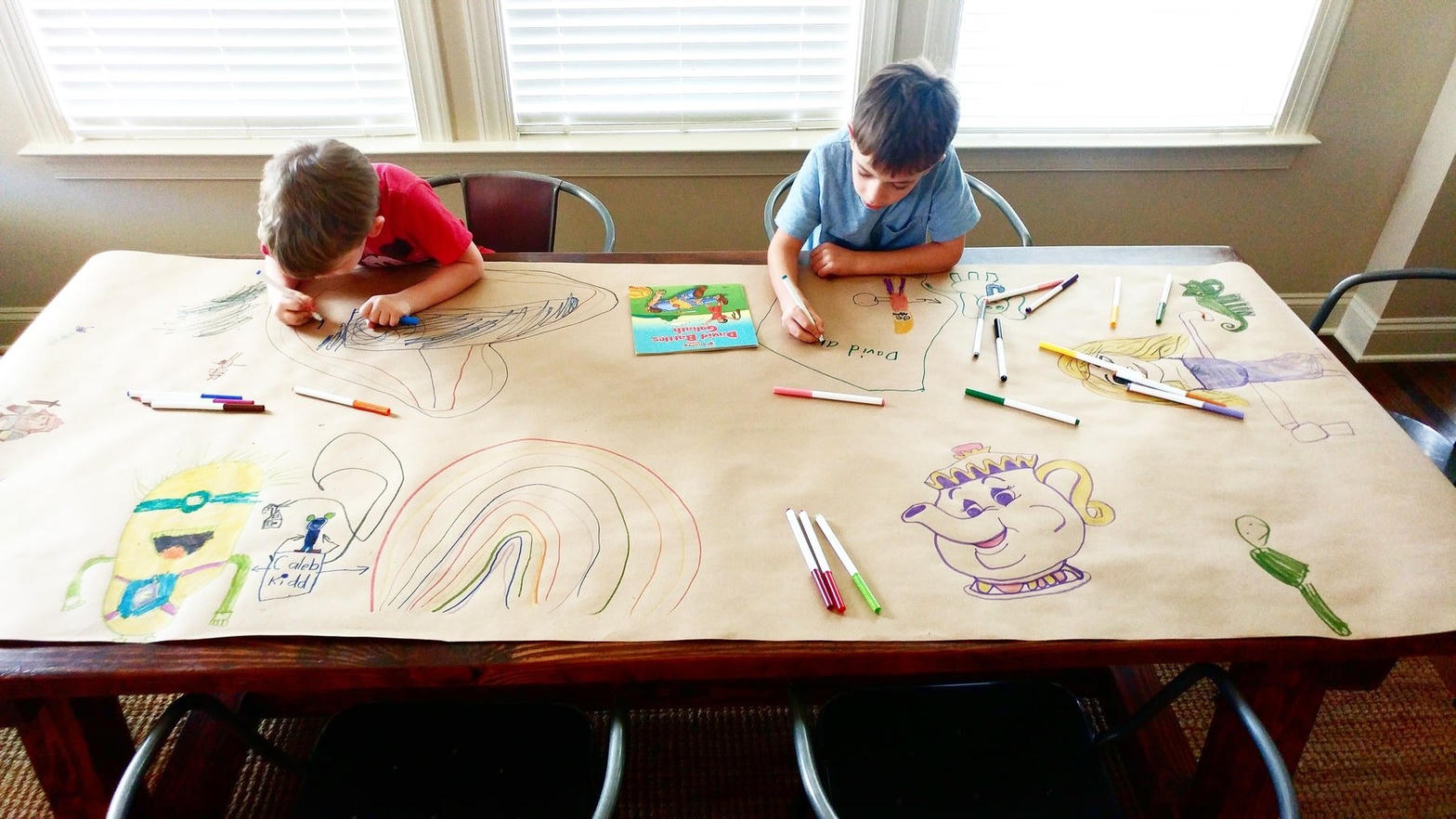

#1 Parent Favorite
How to Make a Boredom Jar That Works
You stop being the entertainment committee. The jar decides. Kids draw one idea and do it — no negotiations.
1
Gather supplies
A jar or box + paper slips (or popsicle sticks) + markers. Make it colorful!
2
Write 30–50 ideas
Mix easy + stretch activities. Let kids help choose so they feel ownership.
3
The golden rule
When they say “I’m bored,” they draw ONE slip and do it for 15–20 minutes. No re-draws.
4
Refresh monthly
Add seasonal ideas (water play, indoor forts) so the jar never gets boring.
🎁 Sample Jar Ideas
Build a blanket fort
Dance party (3 songs)
Nature scavenger hunt
Make a comic strip
Bake cookies
Indoor obstacle course
Write a short story
Science volcano
Sidewalk chalk city
Sock puppet show
Board game marathon
Read for 20 minutes
Scroll for 100+ more to fill your jar!
The Big List
100+ Things to Do When Kids Are Bored
Pick by mood — outdoor energy, quiet creativity, science chaos, or family fun.
🌳
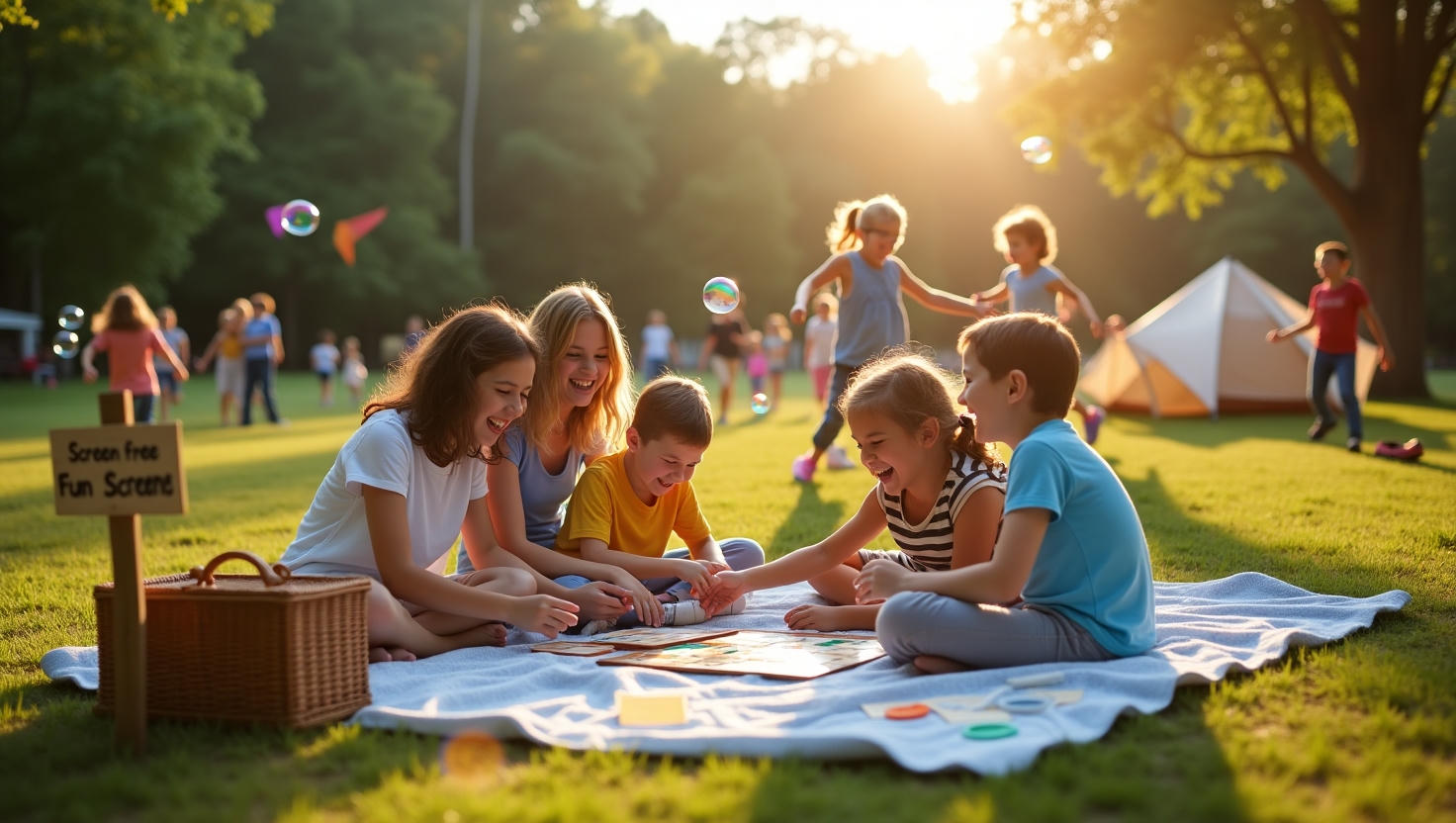
Outdoor & Active
- Nature scavenger hunt
- Bike or scooter ride
- Backyard obstacle course
- Sidewalk chalk city
- Water balloon / sprinkler
- Cloud stories
- Bug or rock collecting
- Family walk + I Spy
- Tag or hide-and-seek
- Build a stick fort
🎨
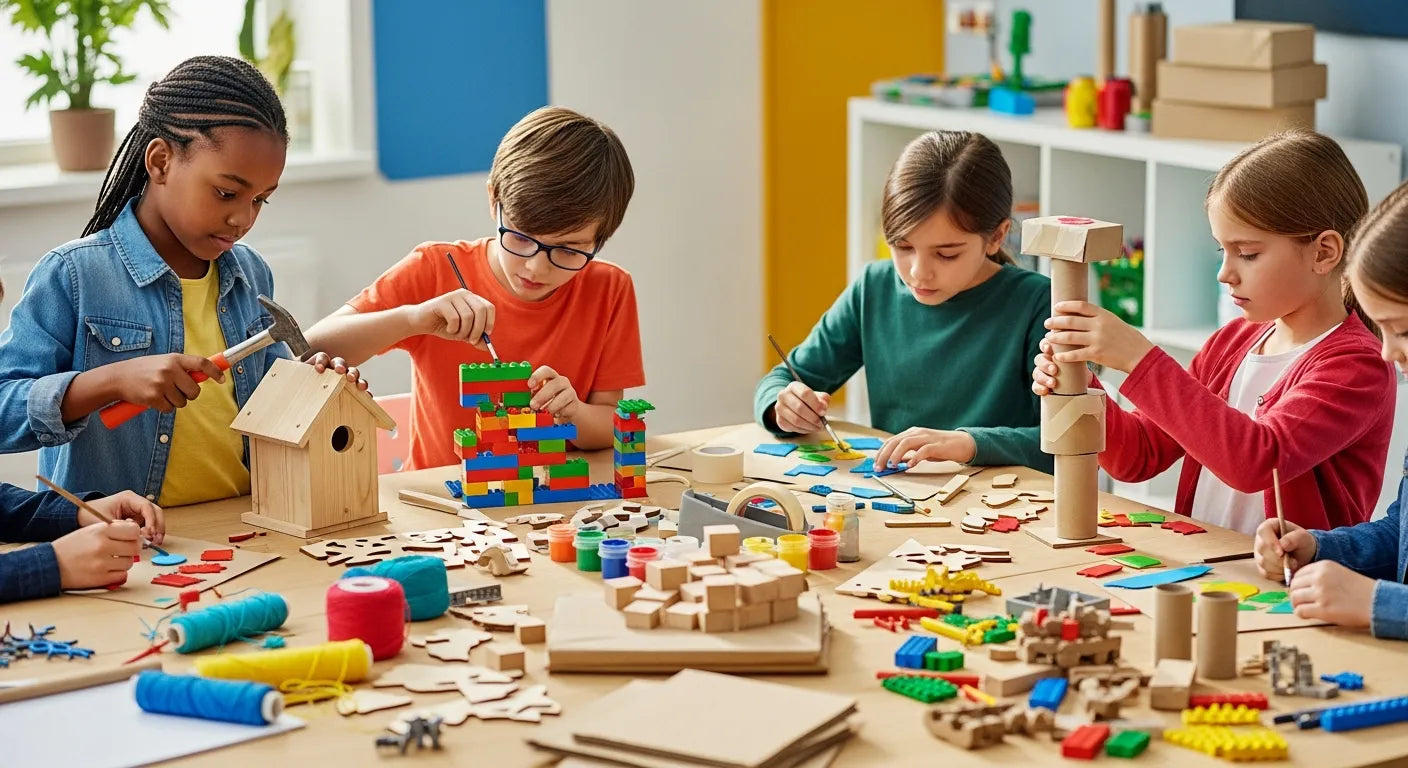
Creative & Crafty
- Blanket fort HQ
- Comic strip or story
- Sock puppet show
- Magazine collage
- Paint rocks to hide
- Paper airplane fleet
- Playdough sculptures
- Friendship bracelets
- Cardboard box world
- Draw your dream house
📚
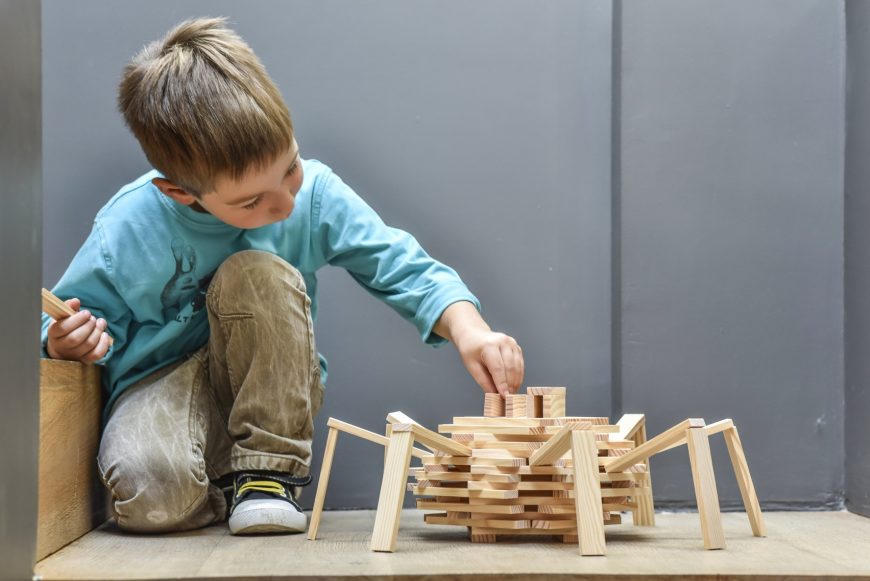
Quiet & Independent
- Read for 20 minutes
- Puzzle race
- Journal writing
- LEGO free-build
- Color with prompts
- Audiobook time
- Toy museum setup
- Origami animals
- Make bookmarks
- Practice an instrument
🔬
Kitchen & Science
- Baking soda volcano
- Bake cookies / muffins
- Sink-or-float test
- Slime or oobleck
- Grow seeds in a cup
- Rainbow milk experiment
- Ice cream in a bag
- Color mixing
- Marble run build
- Kitchen band (pots!)
👨👩👧
Family & Group
- Board game tournament
- Family dance party
- Living-room campout
- Talent / magic show
- Cook a simple meal
- Charades night
- Family newspaper
- Photo scavenger hunt
- Storytelling circle
- Pillow fort movie
⚡
5–15 Min Resets
- 20 jumping jacks + dance
- Animal walks
- Flashlight hide-and-seek
- Balloon keep-up
- Find 5 red things race
- Stretch / yoga poses
- Call a grandparent
- Water the plants
- Clean one drawer (game)
- Tell 3 jokes
Best Ideas by Age
👶
Ages 3–5
Sensory bins, simple hunts, playdough, dancing, forts, outdoor free play, coloring.
🧒
Ages 6–8
Obstacle courses, easy science, comics, board games, nature hunts, LEGO, baking help.
👦
Ages 9–12
Invent games, longer projects, cooking, research, photo walks, reading, STEM builds.
🧑
Tweens+
DIY projects, music, journaling, volunteering, sports, creative challenges, planning.
Quick Answers: Things to Do When Kids Are Bored
Start with low-prep wins: blanket fort, dance party, scavenger hunt, drawing challenge, or a simple science experiment. Keep a Boredom Jar ready so kids can pick themselves.
Let kids help choose many ideas. Mix fun + slightly challenging ones. Enforce “draw one and do it for 15–20 minutes” so it doesn’t become a negotiation.
Yes! Short boredom builds creativity, problem-solving, and self-entertainment. Give them tools and options — don’t feel you must fill every second.
Snack + 20–30 min outdoor or active play, then quiet independent time. Keep the Boredom Jar visible for when they ask for more.
🎯 READY-TO-PRINT BOREDOM BUSTER
When “I’m Bored” Hits — Pull Out the Preschool Learning Bundle
Hundreds of screen-free activities that mix education + fun. Print once, use forever. Zero prep beyond hitting “print.” Perfect for ages 2–7 when the Boredom Jar needs a skill-building boost.
500+ printable pages
Alphabet & number tracing
Color matching & shapes
Cut-paste & counting
Free Farm Busy Book
Handwriting practice
Fruits, animals & more
Lifetime digital access
Why this bundle kills boredom better than another cartoon
Kids get bored fast because passive screens don’t challenge their hands or brains. This bundle turns “I’m bored” into independent, skill-building play — tracing, matching, coloring, cutting, counting — all printable at home with almost zero preparation.
🖨️
Low Prep
Print → hand over → done. No craft store runs.
🧠
Real Learning
40+ early skills: letters, numbers, shapes, fine motor.
♾️
Lifetime Access
Download once. Print anytime. Forever.
LIMITED OFFER
Preschool Learning Bundle
Ages 2–7 · Tracing · Matching · Shapes · Numbers + Free Farm Busy Book
$49
$9
SAVE 80%
- 500+ activity pages ready to print
- Alphabet & number tracing sheets
- Color matching, shapes & counting
- Cut-paste, mazes & fun coloring
- Bonus Free Farm Busy Book
- Instant download + lifetime access
- Works on any home printer
Secure PayPal checkout · Instant email delivery · Print anytime forever
Why Boredom Can Be Good for Kids
It is tempting to fix boredom the second it appears. But a little empty time is not a problem to solve. It is often where children start inventing their own games.
When nothing is planned, kids have to decide what to do, find materials, make up rules and keep going when an idea flops. Those are the same planning, focus and self-control skills that the Harvard Center on the Developing Child describes as executive function, and its activity guide suggests plenty of simple games and pretend play to practise them.
So the aim is not to have a list of things to do when kids are bored for every single minute. It is to have a few easy options ready, and then step back. Our guide to independent play activities that actually stick shows how to help kids play on their own for longer.
A 3-Step Plan for the Next "I'm Bored"
Use this when the boredom jar is not handy or your child is too tired to choose.
1
Name the feeling
"You're feeling bored. That's okay." A calm response takes the heat out of the moment and shows boredom is not an emergency.
2
Offer two choices
"Do you want to build a fort or do a coloring page?" Two options are easier than "find something to do" and faster than a long list.
3
Step back for 10 minutes
Get your child started, then give them space. Many kids settle into play once the first few minutes pass.
12 Rainy-Day Things to Do When Kids Are Bored Indoors
These are extra ideas you will not find in the big list above. Most use things you already have at home.
- Tape road: make roads on the floor with painter's tape for toy cars and animals.
- Bottle bowling: line up empty plastic bottles and roll a soft ball.
- Pretend shop: set out food packets, draw price tags and take turns being the shopkeeper.
- Shadow puppets: a flashlight, a wall and your hands are all you need.
- Toy car wash: a tub of soapy water, an old toothbrush and plastic toys (supervise water play).
- Letter hunt: find something in the house for each letter of your child's name.
- Paper plate masks: cut eye holes, then decorate as animals or superheroes.
- Treasure map: hide a toy and draw a simple map for your child to follow.
- Sticker stories: stick a few stickers on paper and make up a story that links them.
- Pillow island: the floor is "lava", so kids cross the room on cushions.
- Mini restaurant: kids write a menu, take orders and serve snacks.
- Coloring corner: set up a quiet spot with crayons and a few fresh coloring pages.
Safety first: keep small items such as buttons, beads, balloons and bottle caps away from children under 3, and stay close during water and craft play.
Things to Do When Kids Are Bored in the Car or While Waiting
Long drives, queues and waiting rooms are classic boredom traps. No-prep word and looking games work almost anywhere:
- Alphabet spotting: find each letter of the alphabet on signs, in order.
- 20 questions: one person thinks of an animal; everyone else asks yes-or-no questions.
- Story chain: each person adds one sentence to a silly story.
- Color count: count red cars, or anything yellow, until the next stop.
- Would you rather: "Would you rather have wings or a tail?" Kids love inventing their own.
For restaurants and appointments, pick quieter games like drawing a picture together one line at a time, or a whispered round of "I'm thinking of something green". Keeping a few of these in your back pocket gives you fast things to do when kids are bored and there is nowhere to run around.
A small "waiting bag" with a notebook, a few crayons and a coloring page or two means you are never caught empty-handed.
Boredom and Screen Time: Finding a Balance
Screens are often the easiest fix for bored kids, and that is understandable. The American Academy of Pediatrics suggests families make a plan together, with screen-free times and places, using its Family Media Plan tool.
A simple rule that helps: try one idea from the boredom jar first, then talk about screens. Having ready-made options makes "no screens right now" much easier to stick to.
For more help, read how to cut evening screen time without a meltdown or visit our tips to reduce kids' screen time.
Printable Boredom Busters
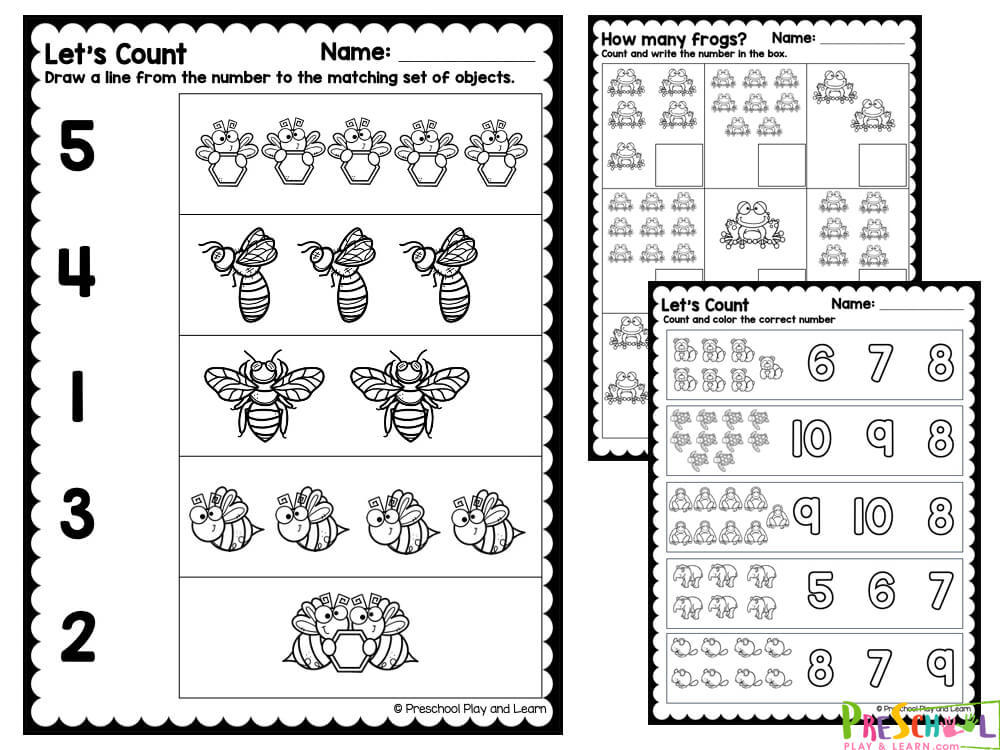
On days when your own ideas run dry, printables are one of the quickest things to do when kids are bored: print a page, hand over the crayons and let them get started.
- Printable preschool worksheets kids beg to do (tracing, counting, cut and glue)
- Toddler animal coloring book with big, simple shapes
- Butterfly coloring pages for calm quiet time
- Fun educational activities that feel like play
More Questions Parents Ask About Bored Kids
Why does my child say "I'm bored" all the time?
Often it means "I'm tired", "I want your attention" or "I don't know how to start". Kids who are used to lots of structured activities or screens may also need practice filling free time on their own.
Should I give my child a screen when they are bored?
Sometimes a show is fine. Try offering one or two screen-free options first, and agree screen rules as a family so the answer is not a daily negotiation.
How long can young children play on their own?
It varies a lot by age and temperament. Toddlers may manage only a few minutes, while older preschoolers can often play for longer. Start small and build up, staying nearby.
What are good boredom busters for toddlers?
Simple, hands-on play works best: stacking cups, water play with supervision, big crayons and chunky coloring pages, dancing to music and "helping" with safe chores.
What are quick things to do when kids are bored and I only have 5 minutes?
Pick something with no setup: a freeze dance to one song, a "draw it in 60 seconds" challenge, a race to find five round things, or a quick round of Simon Says. Short bursts like these often reset the mood so kids can move on to their own play.
How do I handle boredom over the summer holidays?
Keep a loose daily rhythm (outside time, quiet time, one planned activity), refresh the boredom jar every few weeks and let kids help choose the ideas.