Parents search this when kindergarten feels close
Kindergarten Readiness Activities That Build Real Confidence
Worried your child isn’t ready? These kindergarten readiness activities — letter tracing, number recognition, and pre-writing skills — help kids walk into school feeling capable, not anxious.

- Knows some letters & numbers
- Can follow simple directions
- Holds a crayon or pencil
- Separates with growing ease
ABC
Letter recognition & tracing
123
Counting & early math
10–15
Minutes of practice daily helps
5
Core readiness skill areas
The Anxiety Is Real
Why Kindergarten Readiness Feels So Stressful
You’re not alone. Most parents quietly wonder: “Will my child keep up? Do they know enough letters? Can they sit still?” The good news — readiness is a mix of skills, and many of them grow fast with simple daily play.
😰
The “Behind” Fear
Parents often assume other kids already know everything. In reality, kindergarten teachers expect emerging skills — not perfection — on day one.📝
Letters & Numbers Pressure
Letter tracing, number recognition and pre-writing skills get the most attention. Small, consistent practice at home closes gaps quickly.🎒
Independence Worries
Can they open a lunchbox, ask for help, or separate without a meltdown? These soft skills matter as much as knowing the alphabet.Letters
Recognize & begin to form
Numbers
Count & recognize 1–10
Pre-Write
Lines, shapes, name tries
Social
Share, listen, ask for help
The Solution
Best Kindergarten Readiness Activities at Home
These kindergarten readiness activities target letter tracing, number recognition, pre-writing skills and the soft skills teachers actually care about.
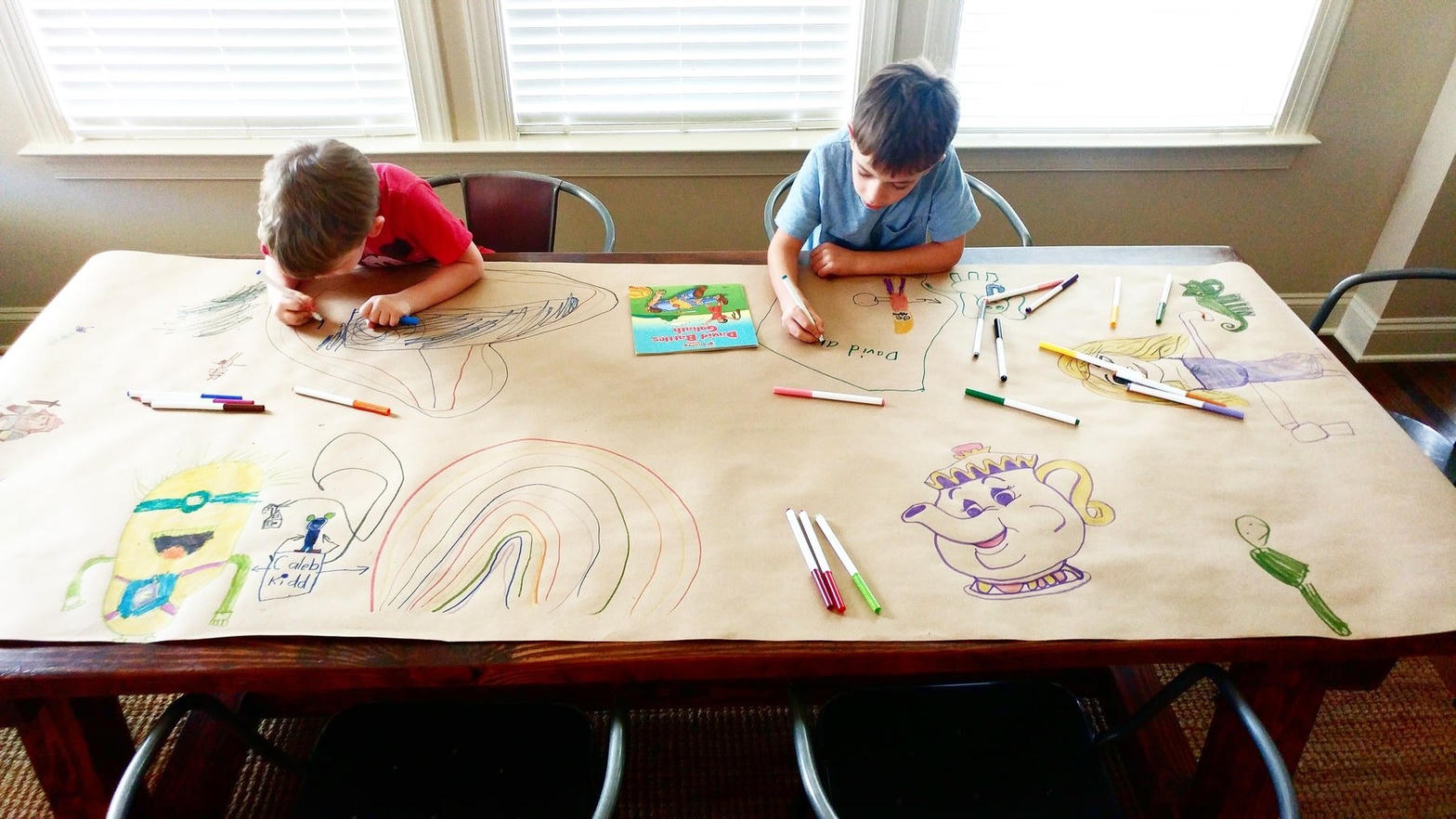

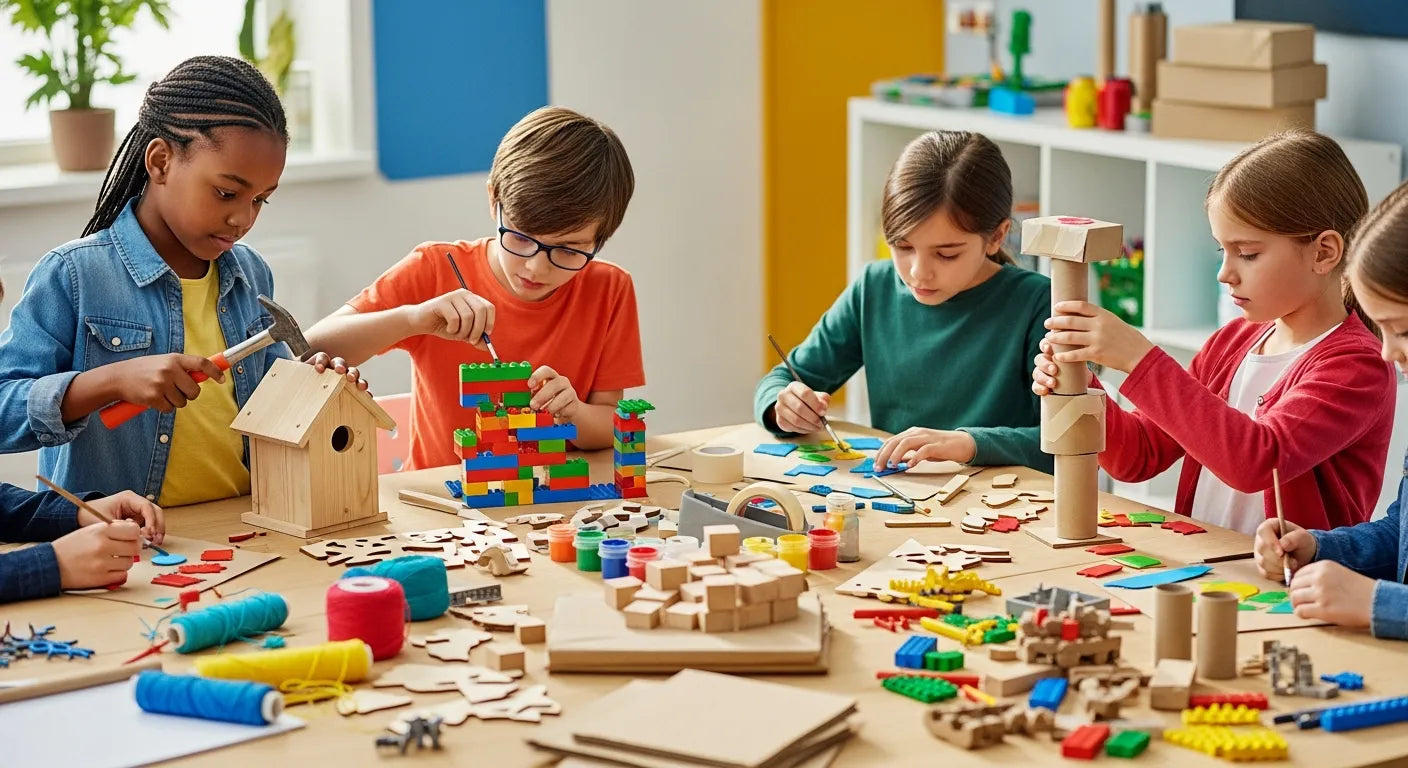

🔤
Letter Tracing & Recognition
- Trace letters in salt, sand or shaving cream
- Magnetic letter matching on the fridge
- Letter hunt around the house or store
- Name writing with crayons or finger paint
- Alphabet books + point and name
🔢
Number Recognition
- Count stairs, snacks, toys every day
- Number hunt on signs and packages
- Playdough number snakes
- Match numeral cards to groups of objects
- Simple 1–10 tracing sheets
✏️
Pre-Writing Skills
- Draw standing, sleeping & zigzag lines
- Trace shapes: circle, square, triangle
- Color inside simple outlines
- Vertical surface drawing (easel/wall)
- Short crayon pieces for better grip
✂️
Fine Motor Boosters
- Playdough pinch, roll and cut
- Scissors practice on straight lines
- Tweezers + pom-poms transfer
- Sticker peeling and placing
- Bead or pasta threading
🗣️
Language & Listening
- Read aloud every day and ask questions
- 2–3 step direction games
- Rhyming and “what starts with…” games
- Retell a simple story together
- Practice asking for help out loud
🤝
Independence & Social
- Dress and undress practice
- Open lunch containers and backpack
- Short playdates with turn-taking
- Role-play drop-off and “hello”
- Simple chores with multi-step instructions
Kindergarten Readiness Activities by Age
🐣
Ages 3–4
Big letter play, counting to 5–10, pre-writing lines, scissors introduction, name recognition, short stories.🧒
Ages 4–5
Letter tracing, number 1–10 recognition, name writing attempts, following 2-step directions, sharing practice.🎒
Ages 5–6
More independent writing, counting higher, longer focus, self-care routines, asking for help confidently.Kindergarten Readiness Activities: Common Questions
Letter recognition and tracing, number recognition 1–10, pre-writing lines and shapes, following simple directions, and practicing independence (dressing, opening containers, asking for help) top the list teachers care about.
No. Recognizing many letters (especially those in their name) and knowing some letter sounds is helpful. Mastery of all 26 is not required on day one.
Use salt trays, shaving cream, sidewalk chalk, finger paint, or playdough snakes. Mix short worksheet sessions with sensory tracing so practice stays fun.
Practice short goodbyes at home, visit the school playground, read books about the first day, and keep drop-off routines calm and consistent. Most children adjust within days or a couple of weeks.
Ready Feels Better Than Perfect
You now have practical kindergarten readiness activities for letter tracing, number recognition, pre-writing skills and the soft skills that matter most. Start with 10 minutes a day — consistency beats intensity.
★ Back to the Activities
★ KINDERGARTEN-READY PRINTABLES
The Bundle That Turns Readiness Anxiety Into Daily Wins
Tracing, cut-and-paste, word finds and puzzles build letter recognition, number skills, pre-writing strength and thinking ability — the exact kindergarten readiness activities parents need. Low prep. Lifetime access. Education + fun on every page.
Alphabet & number tracing
Cut-and-paste activities
Word search & puzzles
Color matching & shapes
Handwriting practice sheets
Free Farm Busy Book
40+ essential skills tracked
Lifetime print access
Why this bundle supports kindergarten readiness
Every page asks little hands and minds to trace, cut, match, find and think. These are the same kindergarten readiness activities that build fine motor skills, letter and number confidence, and the focus teachers notice on day one — with almost zero preparation from you.✏️
Letter TracingShapes letters & pencil control
✂️
Cut & PasteScissors skill + thinking
🧩
Puzzles & FindsFocus + problem-solving
LIMITED TIME
Preschool Learning Bundle
Ages 2–7 · Tracing · Cut-Paste · Puzzles · Handwriting + Free Farm Busy Book
$49 $9 SAVE 80%
- 500+ printable activity pages
- Tracing, cut-paste, word finds & puzzles
- Handwriting practice sheets included
- 40+ essential skills with progress tracking
- Shapes, numbers, color matching & more
- Bonus Free Farm Busy Book
- Instant download + lifetime access
Secure PayPal · Instant email delivery · Print anytime forever
📚 MORE TOOLS FOR KINDERGARTEN CONFIDENCE
Keep Building Readiness — Instant Printables & Guides
Once the daily activities start, these focused books accelerate letter tracing, number skills, handwriting and the confidence kids need for the first day of school.
Alphabet & Number Tracing — Improve Handwriting in 30 Days
Guided uppercase, lowercase & number 1–10 tracing with pictures. Perfect daily kindergarten readiness practice for letter and number recognition.
$3.99
Get Tracing Worksheets →
Kids Tracing Activity | Handwriting Practice PDF
Trace & color, A–Z, numbers, pre-writing lines & shapes. Builds the pencil control and pre-writing skills teachers look for.
$4.99
Get Handwriting PDF →
Boost Confidence of Your Kid Before It’s Too Late
Practical guide so your child feels capable walking into kindergarten — pairs perfectly with daily readiness activities.
$4.99
Get Confidence Guide →
Complete Guide to Raising Smart & Independent Toddlers
Home strategies for independent, curious kids. Supports the self-help and thinking skills needed for school readiness.
$3.99
Get Toddler Guide →
Kindergarten Animal Alphabet Flashcards
Fun animal-themed alphabet cards for letter recognition. Great warm-up before tracing or writing practice.
$4.30
Get Alphabet Flashcards →
Childhood Mental State
Understand your child’s emotions better. Calm, focused kids engage longer with readiness activities and separate more easily.
$9.99
Get This Guide →
Letter tracing, number recognition and pre-writing skills grow faster with the right tools. Pick one and print tonight.
Browse Full BookBonbon Store →
On this page
A 4-Week Plan for Kindergarten Readiness Activities
Ten to fifteen minutes a day is enough. This simple plan uses the kindergarten readiness activities above and builds one skill area on top of the next, so nothing feels rushed.
- Week 1 – Hands and lines: playdough, sticker peeling and drawing standing, sleeping and zigzag lines. Strong little hands make tracing easier later.
- Week 2 – Letters in their name: trace name letters in salt or shaving cream, go on a letter hunt and try writing the name with a crayon.
- Week 3 – Numbers 1–10: count stairs and snacks, make playdough number snakes and match numeral cards to small groups of toys.
- Week 4 – Independence: practice opening lunch containers, zipping a coat, following 2–3 step directions and asking for help out loud.
- Every day: read aloud together and ask one question about the story. It builds listening, vocabulary and focus all at once.
If your child enjoys it, simply repeat the plan with new materials. Repetition is how skills become confident habits.
A Gentle Kindergarten Readiness Checklist
Use this as a friendly guide, not a test. Most children are still growing in several areas when school starts, and teachers expect that. Kindergarten readiness activities simply help each skill along.
🔤
Letters
Recognizes some letters, especially the ones in their name, and is starting to try writing a few.
🔢
Numbers
Counts objects up to about ten and is beginning to recognize written numbers.
✏️
Hands
Holds a crayon or pencil, uses child-safe scissors with help and can color simple shapes.
🤝
Feelings & self-care
Can say how they feel, take turns, use the bathroom and ask a grown-up for help.
For a pediatrician’s view of school readiness, see the American Academy of Pediatrics article Is your child ready for school? on HealthyChildren.org. If you have concerns about your child’s development, talk to your pediatrician or preschool teacher.
Practicing the First Day: Confidence Before Kindergarten
Some of the most helpful kindergarten readiness activities have nothing to do with letters. A little role-play makes the big day feel familiar.
- Walk or drive the route. Visit the school or its playground a few times so the building feels known.
- Play “school” at home. Take turns being the teacher. Practice sitting for a short story, raising a hand and lining up.
- Rehearse the goodbye. Keep it short and warm: a hug, a special phrase and a promise of when you’ll be back.
- Practice lunch and backpack. Let your child pack, open and close everything on their own a few times.
- Read first-day stories. Picture books about starting school give kids words for their feelings.
- Protect sleep. Shift to the school bedtime a week or two early. Our 7-night sleep routine can help.
Confidence grows from small wins. Our guide on how to boost your child’s confidence has more everyday ideas.
Everyday Moments That Count as Readiness Practice
You don’t need to set aside special time for every skill. Many kindergarten readiness activities fit into the day you already have.
- At the grocery store: find the first letter of your child’s name on signs and packets, and count apples into the bag.
- In the car: play “I spy something that starts with…” or count red cars together.
- At mealtimes: let your child set the table for the family, which practices counting and following steps.
- At bath time: draw letters and shapes on the tiles with a wet finger or bath crayons.
- At bedtime: read one story, then ask your child to retell the best part in their own words.
Printables for Kindergarten Readiness
On busy days, a printable page can stand in for a hands-on activity. These ColorJoy picks match the skills on this page.
🎒
Preschool Learning Bundle
Tracing, cut-and-paste, puzzles and handwriting pages for ages 2–7, with the bonus Farm Busy Book.
See the Bundle✏️
Alphabet & Number Tracing
Guided uppercase, lowercase and 1–10 tracing pages with pictures.
Learn More Get the PDF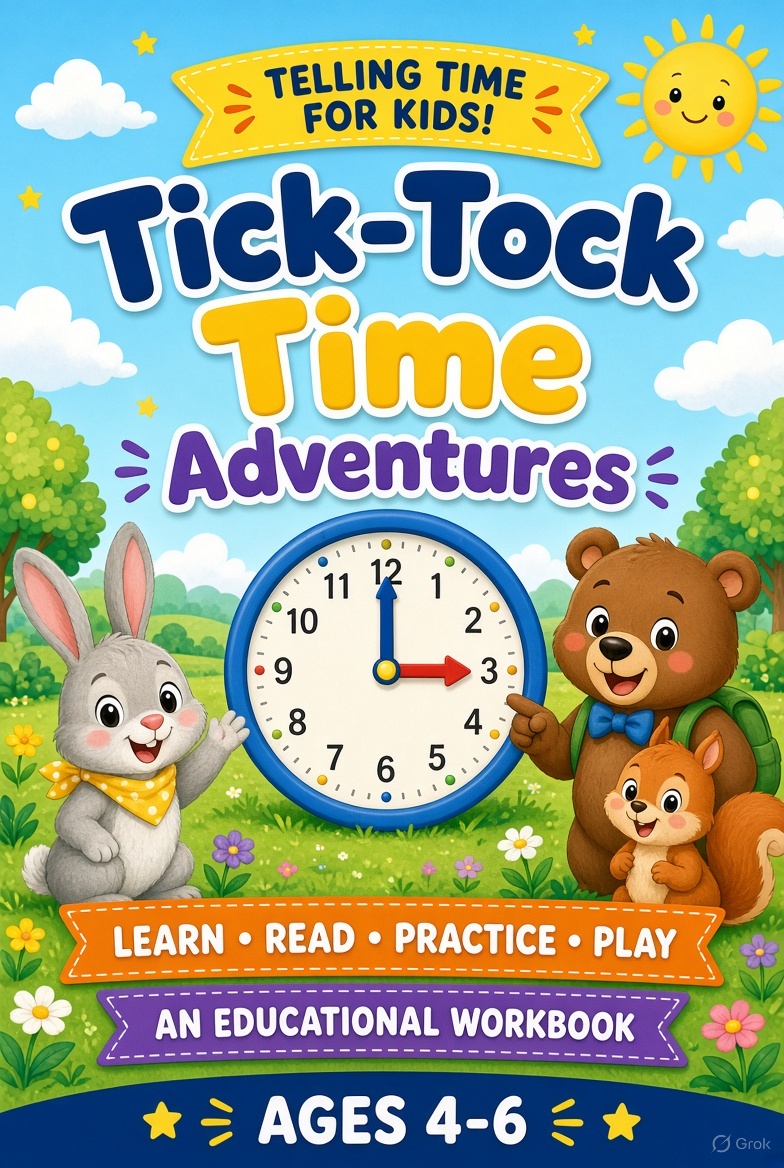
Tick-Tock Time Adventures
A telling time workbook for ages 4–6 when your child is ready for clocks.
Learn More Get the Paperback
Toddler Animal Coloring Book
Big, simple outlines that are ideal for early coloring-inside-the-lines practice.
Learn More Get the PDFMore Questions About Kindergarten Readiness Activities
When should we start kindergarten readiness activities?
Any time from about age three is fine, as long as it stays playful. A few months of short, regular practice before school starts is plenty for most children.
How long should kindergarten readiness activities take each day?
Ten to fifteen minutes is enough. Stop while your child is still enjoying it, and count everyday moments like counting snacks or reading signs as practice.
Should my child be able to write their name before kindergarten?
It helps if they recognize their name and can try writing a few letters, but neat writing is not expected on day one. Teachers will build on whatever your child brings.
Are worksheets good kindergarten readiness activities?
A few short worksheets can help with tracing and pencil control. Mix them with hands-on play such as playdough, salt trays and story games so practice stays fun.
What if my child seems behind other kids?
Children develop at different speeds, and a wide range is normal at this age. Focus on steady, happy practice. If you are worried, talk to your child’s preschool teacher or pediatrician.