4 More Kids Learning Questions Parents Ask Us
These kids learning questions come up again and again in messages from parents in the US, UK and Canada. The answers are short and practical, like the ones above.
How can I support kids learning at home without it feeling like homework?
Keep it short, playful and part of normal life. Counting stairs, spotting letters on cereal boxes and sorting laundry by color are all real learning. Ten calm minutes with a coloring page or tracing sheet after snack time works better than a long session at the end of a tiring day.
Try this: let your child choose between two activities. A small choice turns “you have to” into “I want to,” and that shift is the heart of happy kids learning at home.
What does my preschooler really need before kindergarten?
Less than many parents fear. For kids learning at this stage, teachers often care more about independence and focus than about reading early: following simple instructions, holding a crayon, taking turns and managing a zipper or lunchbox. The American Academy of Pediatrics explains the signs in Is Your Preschooler Ready for Kindergarten?
Next step: our guide to kindergarten readiness activities that build real confidence turns these skills into simple daily games.
My child can’t play alone for five minutes. Is that normal?
Very normal, especially for kids who are used to screens or constant company. Playing alone is a skill that grows in small steps. Start with a few minutes of play together, set out one simple invitation, and stay nearby.
Read more: independent play activities that actually stick, with a 4-step method and ideas by age.
How do I cut screen time without daily meltdowns?
Change the routine before you change the rules. Give a warning before screens end, move straight into an easy activity, and keep screens out of the hour before bed. The AAP’s free Family Media Plan helps you set limits that fit your own family.
Step-by-step help: how to reduce kids screen time without the meltdowns and how to cut evening screen time.
A Simple 7-Day Kids Learning Rhythm (Screen-Free)
You don’t need a curriculum. A light weekly rhythm gives kids learning time a predictable spot, so it stops being a daily negotiation. Use 10–20 minutes a day and skip any day that isn’t working.
- Monday: Tracing lines, letters or numbers for pencil control.
- Tuesday: Coloring a favorite theme (animals, vehicles, dinosaurs).
- Wednesday: Build with blocks, then draw what you built.
- Thursday: Cook together and count, pour and measure.
- Friday: Read a story, then color or draw a scene from it.
- Saturday: Outdoor play: a nature hunt or chalk letters.
- Sunday: Family coloring at the table, parents included.

Keep it light: stop while your child is still enjoying it. Ending on a good moment keeps kids learning happily the next day.
Kids Learning by Age: What Helps Most
Every child builds these foundations at their own speed, so use these kids learning ideas as gentle guides, not deadlines.
Toddlers (2–3)
- Big, simple coloring pages and chunky crayons
- Naming colors, animals and body parts
- Stacking, sorting and simple puzzles
Preschoolers (3–5)
- Line, letter and number tracing
- Counting objects and matching shapes
- Cutting practice with child-safe scissors
Early school (5–10)
- More detailed coloring for longer focus
- Telling time, simple words and stories
- Projects they can plan and finish alone
For typical milestones, see the AAP’s developmental milestones for 4 to 5 year olds.
Printables That Make Kids Learning Easy
Print at home, set out a crayon and let your child start. These ColorJoy printables fit the kids learning rhythm above.

Preschool Learning Bundle
Our biggest pack of tracing, color matching, shapes and number pages, plus a farm busy book bonus.
See the Preschool Learning Bundle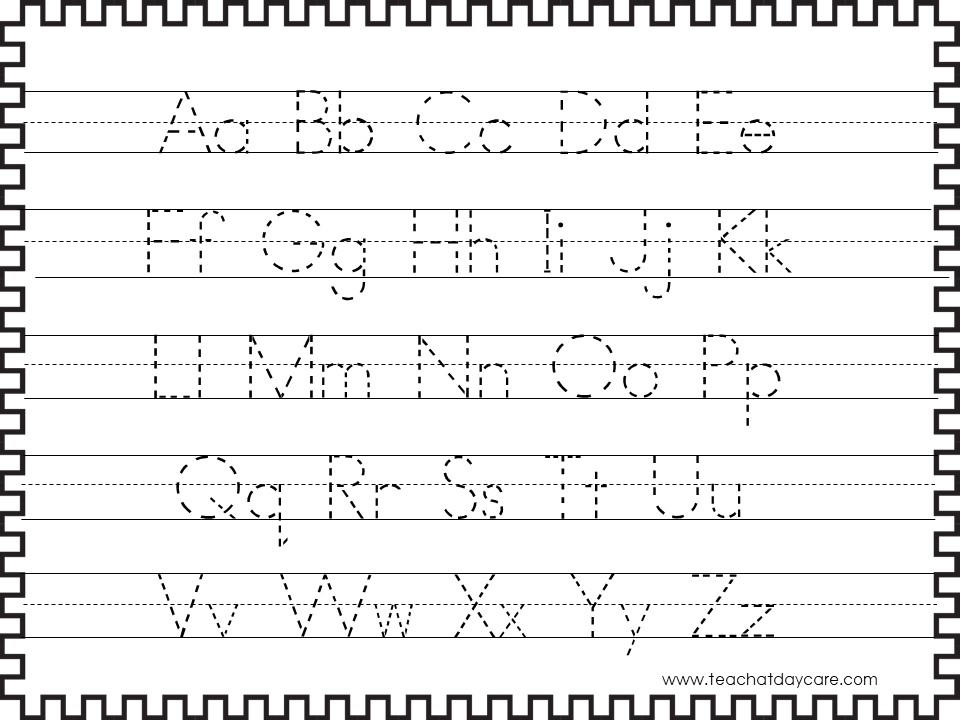
Alphabet & Number Tracing Worksheets
Big letters, small letters and numbers 1–10 for steady daily handwriting practice. See inside.
Download the Worksheets
My Amazing Human Body Busy Book
Hands-on matching and tracing pages that make early science fun for curious kids. Learn more.
Get the Busy Book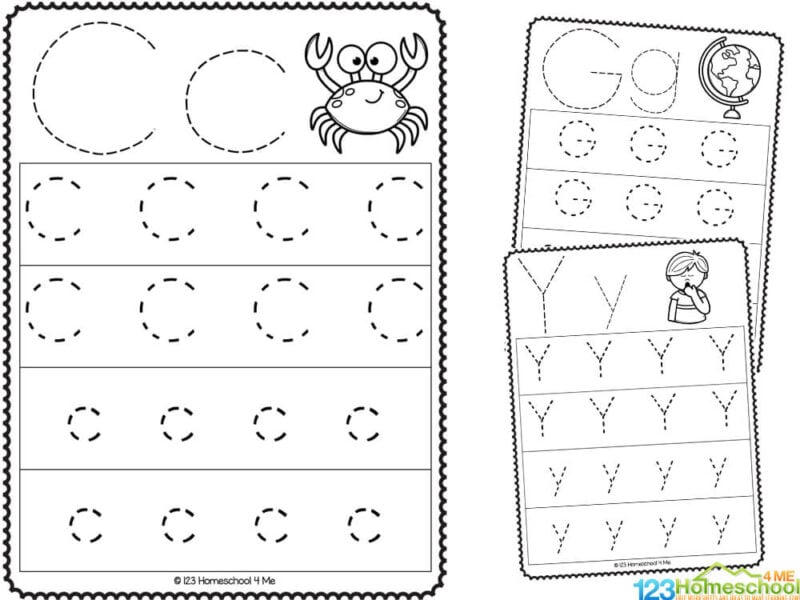
Kids Tracing Activity (PDF)
Pre-writing lines, shapes, letters and numbers to build pencil control before school.
Get the Tracing PDFAnimal Alphabet Flashcards
A–Z cards that pair each letter with a cute animal. Great for quick, playful letter games.
Get the FlashcardsRaising Smart & Independent Toddlers
A practical parent guide with calm, real-life ideas for the toddler and preschool years.
Read the GuideBrowse every printable in the ColorJoy BookBonbon store.
Trusted Sources on Screens and Early Learning
We keep our answers practical. For deeper reading on kids learning and screen use, these organizations are a great place to start:
- AAP Family Media Plan: build screen rules that fit your family’s routine.
- ZERO TO THREE: Screen Sense: what research says about media and children under 3.
- Harvard Center on the Developing Child: why the early years matter so much for brain development.
- NHS: Play and learning: simple play ideas for UK families.
More Kids Learning Ideas on ColorJoy
Kids Learning FAQs
At what age should kids learning activities start at home?
From the start, in the form of play. Talking, singing, reading together and simple scribbling are early learning. Paper activities such as coloring usually click from around age 2, and tracing from around 3.
How long should a learning session be for a preschooler?
Short. Around 10–15 minutes is plenty for most 3–5 year olds. Two short sessions beat one long one, and stopping while it is still fun makes the next session easier.
Are coloring books really educational?
Coloring builds hand strength, pencil control and focus, and themed pages add new words and topics to talk about. It supports kids learning best alongside talking, reading and active play, not instead of them.
Do printable worksheets replace preschool or school?
No. Worksheets are a handy extra for practice at home. Kids learning in a group also gain social skills, routines and play that paper can’t replace.
When should I ask a professional about my child’s learning?
If you notice your child losing skills, struggling far more than peers, or you simply have a nagging worry, talk to your pediatrician, GP or health visitor. Asking early is always okay.