Practical Parenting Guide • Instant Download
Boost Confidence of Your Kid Before It’s Too Late
Want to boost your child’s confidence? Stop watching your child stay quiet, say “I can’t,” or hang back while others play. Get the exact scripts, 23 daily habits, and 5–10 minute activities that help kids speak up, try new things, and grow kind + confident — starting this week.
✓ Instant PDF download • Lifetime access • Price rises soon
Real Moments Parents Want to Change

You See It. You Feel It. And You’re Worried.
Every parent of a quiet or hesitant child knows this quiet ache.

Your child hangs back at the playground or birthday parties while others jump in.
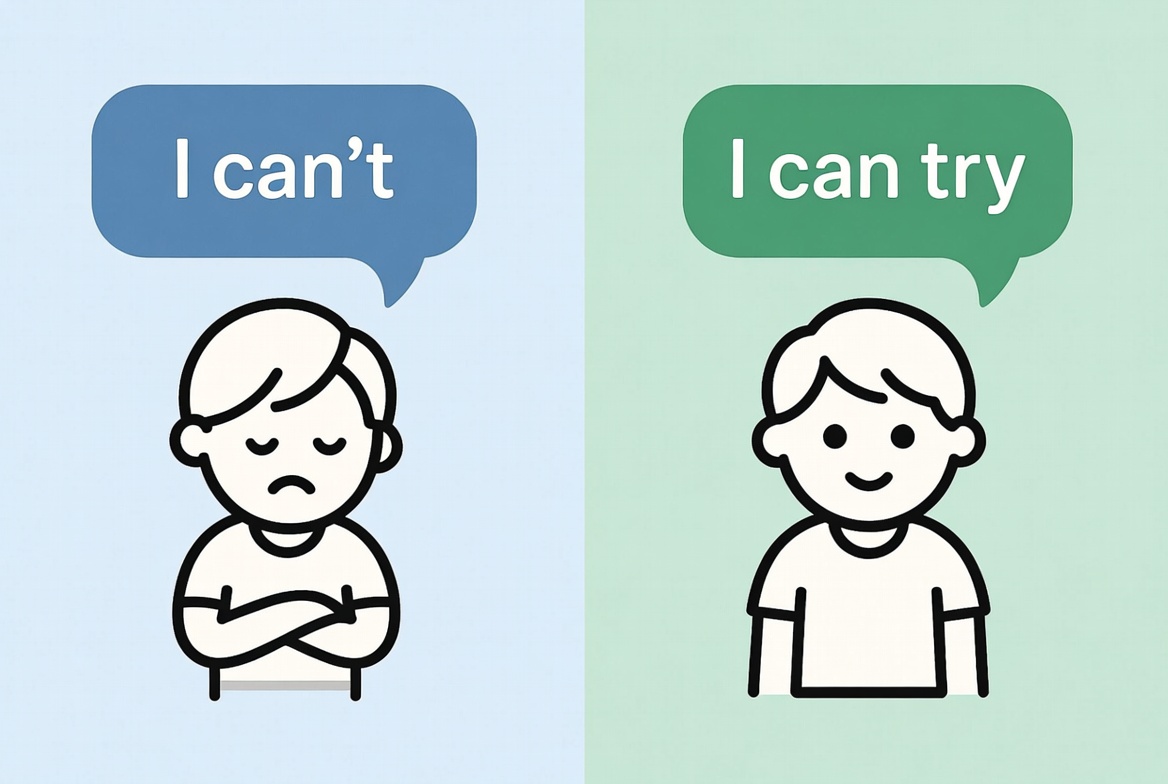
They say “I can’t” before they even try — homework, sports, speaking in class.
You worry this quietness will follow them into school presentations, friendships, teenage years, and even adult life.
You’ve tried “Just be brave!” and empty praise. It hasn’t worked.
Low confidence in childhood rarely stays in childhood. The longer we wait, the deeper the pattern becomes.
The Solution: A Practical, Mom-Tested Guide to Boost Your Child’s Confidence
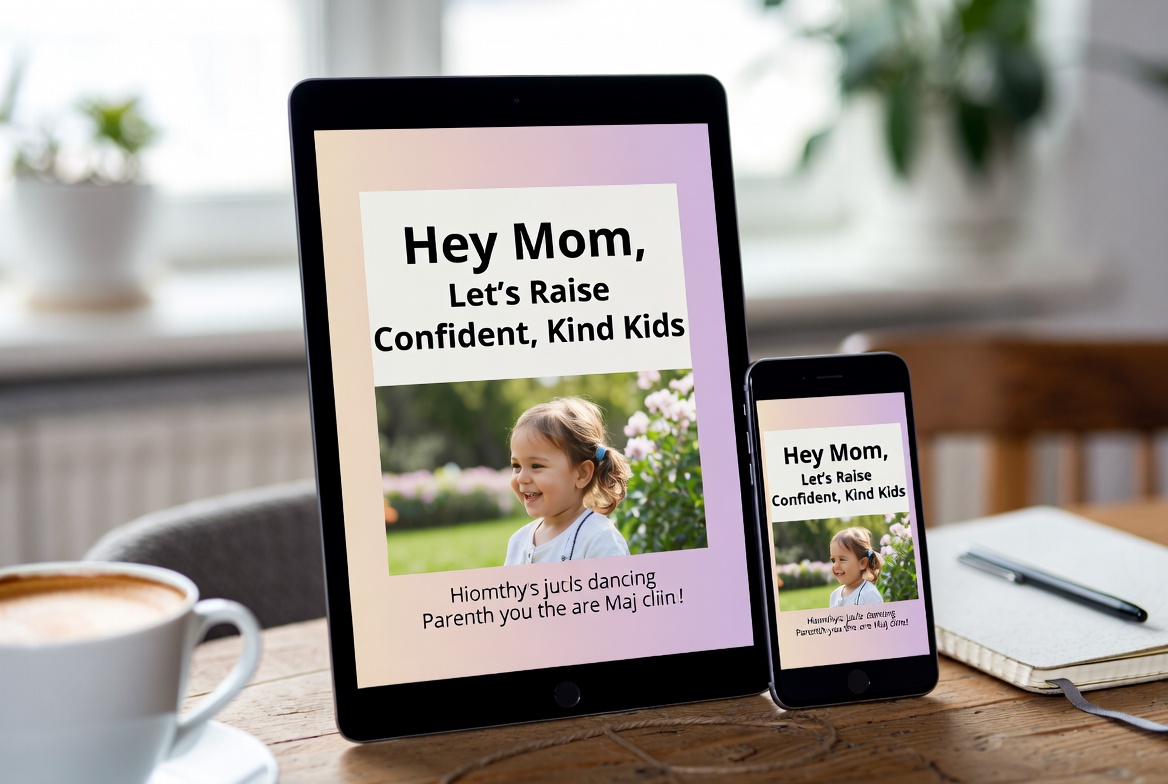
“Hey Mom, Let’s Raise Confident, Kind Kids” gives you the exact words and small daily actions that create real change — without lectures or pressure.

1
Word-for-Word Scripts
Exactly what to say in the shy moments, the “I can’t” moments, and the comparison moments.
2
23 Science-Backed Daily Habits
Tiny, realistic actions that build real self-belief (not fake praise).
3
5–10 Minute Activities
Fun, quick activities kids actually enjoy and ask to do again.
4
Confidence + Kindness Together
Tools so your child can stand up for themselves without becoming mean or aggressive.
What Changes When Confidence Grows
This is not about turning your child into the loudest person in the room. It’s about quiet strength.
🗣️
They Speak Up
In class, with friends, and at home — without being pushed.
💪
They Try New Things
“I can’t” turns into “I’ll try” — and they mean it.
😊
They Smile Bigger
Parents notice a lighter, more open expression within 1–2 weeks.
🤝
Friendships Get Easier
They join in, invite others, and handle exclusion better.
🛡️
They Handle Disappointment
Without crumbling or giving up for days.
🌱
Long-Term Resilience
You’re building the foundation for teenage and adult confidence.
What You Get
📄 Instant PDF
🔄 Lifetime Updates
📱 Read on Phone or Tablet
❤️ Mom-Tested
Everything You Need for Just $4.99
Less than a coffee run. Far more valuable than another year of waiting and worrying.
- ✓ Complete practical parenting guide (beautifully designed PDF)
- ✓ Word-for-word scripts for shy & “I can’t” moments
- ✓ 23 science-backed daily habits
- ✓ Fun 5–10 minute confidence activities
- ✓ Tools for kindness + standing up for yourself
- ✓ Instant download + lifetime access + future updates
Limited Launch Price
$4.99
Rising to $9.99 soon
Secure checkout via Payhip • Instant delivery to your email
Frequently Asked Questions
What age is this guide for? +
It works best for parents of children roughly ages 4–12 who show signs of low confidence, shyness, or “I can’t” thinking. The habits and scripts adapt easily.
Is this a physical book? +
No. It is a beautifully designed digital PDF. You get instant download and can read it on your phone, tablet, or computer. No shipping, no waiting.
How quickly will I see results? +
Many parents notice small shifts (more willingness to try, better body language, speaking up once or twice) within 1–2 weeks when they use the scripts and habits consistently.
Will this make my child arrogant or aggressive? +
No. The guide specifically builds confidence together with kindness so children can stand up for themselves and others without becoming mean.
What if it doesn’t work for us? +
Payhip offers a simple refund process. But most parents find even one or two of the scripts alone change how they respond in the hard moments.
Your Child’s Confidence Starts With One Decision
You don’t need another year of hoping things improve. You need practical words and small daily actions that work.
Get the Guide Now – Only $4.99Join parents who chose action over worry • Instant access • colorjoy.online
Shy or Low Confidence? What Parents Should Know First
Before you try to boost your child's confidence, it helps to know what you are looking at. Shyness and low confidence can look alike from the side of the playground, but they are not the same thing.
Shyness is often temperament
Many children are simply slow to warm up. They watch first, join later and prefer one friend to a big group. That is a personality style, not a problem to fix. The NHS notes that some children feel shy in social situations and may just need support with it.
Low confidence shows up as "I can't"
Low confidence is more about how a child sees themselves. You might notice them refusing to try new things, giving up quickly, calling themselves "stupid" or "bad at everything", or needing lots of reassurance before they start.
A quiet child can be deeply confident, and a loud child can be unsure of themselves. Building your child's confidence is not about changing their personality. It is about helping them believe they can handle things, try again after a mistake and ask for help when they need it.
6 Everyday Ways to Build Your Child's Confidence
These general ideas to build confidence in kids come from widely shared parenting guidance, including the American Academy of Pediatrics' tips on helping your child develop a healthy sense of self-esteem. They work alongside any book or plan you choose.
1. Praise the effort, not only the result
"You kept going even when it was tricky" teaches a child that effort matters. Specific praise also feels more real than a quick "good job", so it does more for your child's confidence.
2. Give real jobs at home
Setting the table, feeding a pet or choosing tomorrow's clothes lets a child show what they can do. Resist the urge to check and redo everything: finishing a task their own way builds your child's confidence. Our guide to independent play activities that actually stick has more ideas.
3. Offer small, real choices
"The red cup or the blue cup?" sounds tiny, but making age-appropriate decisions helps children feel more in control of their day.
4. Let mistakes be normal
Share your own small mistakes and what you did next. When children see that setbacks are part of learning, trying something new feels less risky.
5. Prepare for new situations
Talk through a party, a new class or a doctor's visit in advance. Arriving a little early so your child can watch before joining in often helps slow-to-warm-up kids. A little preparation protects your child's confidence in new places.
6. Make time for play together
Warm, back-and-forth interaction is one of the building blocks of healthy development, as the Harvard Center on the Developing Child explains. A few minutes of focused play, with you following your child's lead, tells them they matter.
When to Talk to Your Pediatrician, GP or Health Visitor
Most confidence dips pass with time and support. It is worth getting advice if worry or withdrawal is very strong, getting worse, or stopping your child from doing things they used to enjoy. The NHS page on anxiety in children lists signs such as:
- trouble sleeping, bad dreams or new bedwetting
- being unusually irritable, tearful or clingy
- lots of negative thoughts, or expecting bad things to happen
- avoiding friends, going out or going to school
If you notice these, or you are simply worried, talk to your child's doctor or health visitor. A parenting guide can support your child's confidence day to day, but it is not a replacement for professional help.
Want a Step-by-Step Plan to Boost Your Child's Confidence?
"Hey Mom, Let's Raise Confident, Kind Kids" turns the ideas above into a practical routine for growing your child's confidence day by day. It is written for busy parents of shy or hesitant children and focuses on small moments you already have: the school run, bedtime and the playground.
You will find ready-to-use words for the hard moments and quick activities you can fit into a normal day, all in a PDF you can read on your phone.
More Reading for Parents
- Kindergarten readiness activities that build real confidence
- The real questions parents are asking about kids' learning
- How to cut evening screen time without a meltdown
- Things to do when kids are bored
- Childhood Mental State: a guide to your child’s emotional development
- Complete Guide to Raising Smart and Independent Toddlers at Home
Parent FAQ: Your Child's Confidence and Self-Esteem
Is shyness the same as low self-esteem?
No. Shyness is often part of a child's temperament. Many shy children feel good about themselves; they just need more time to warm up. Low self-esteem is about how a child judges their own worth and abilities.
Should I push my shy child to join in?
Gentle encouragement usually works better than pressure. Let your child watch first, stay close at the start and praise small steps, like saying hello or joining for a few minutes.
Can too much praise hurt confidence?
Constant, general praise ("You're the best!") can feel empty. Specific praise for effort and progress ("You tried a new way to solve it") helps children see what they did well and try again.
How can I support my child's confidence at school?
Talk about the school day without judgement, practise new situations at home, and let your child's teacher know if they are struggling. Small wins at home, like finishing a puzzle or a chore, carry over into the classroom.
When should I worry about my child's confidence?
If worry, sadness or avoidance is strong, lasts for weeks or gets in the way of school, friends or sleep, talk to your pediatrician, GP or health visitor.
This section shares general information. Every child is different; follow your own doctor's advice for your child.