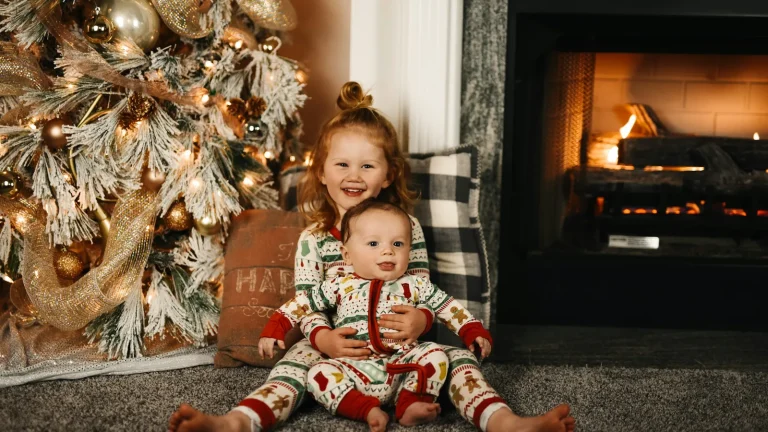
Free printable • Ages 3–5 • Big feelings
Emotional Regulation Activities for Preschoolers: 24 Calm-Down Games That Build Real Skills (+ Free Printable)
Your preschooler goes from giggles to full meltdown over the wrong color cup — and you are left wondering what you are supposed to teach in that moment. This guide explains what emotional regulation really looks like at 3, 4 and 5, gives you 24 short activities that practice calming skills on easy days, and includes a free 5-page printable pack: feelings faces, calm-down choice cards, a feelings thermometer, breathing shapes and a grown-up cheat sheet.
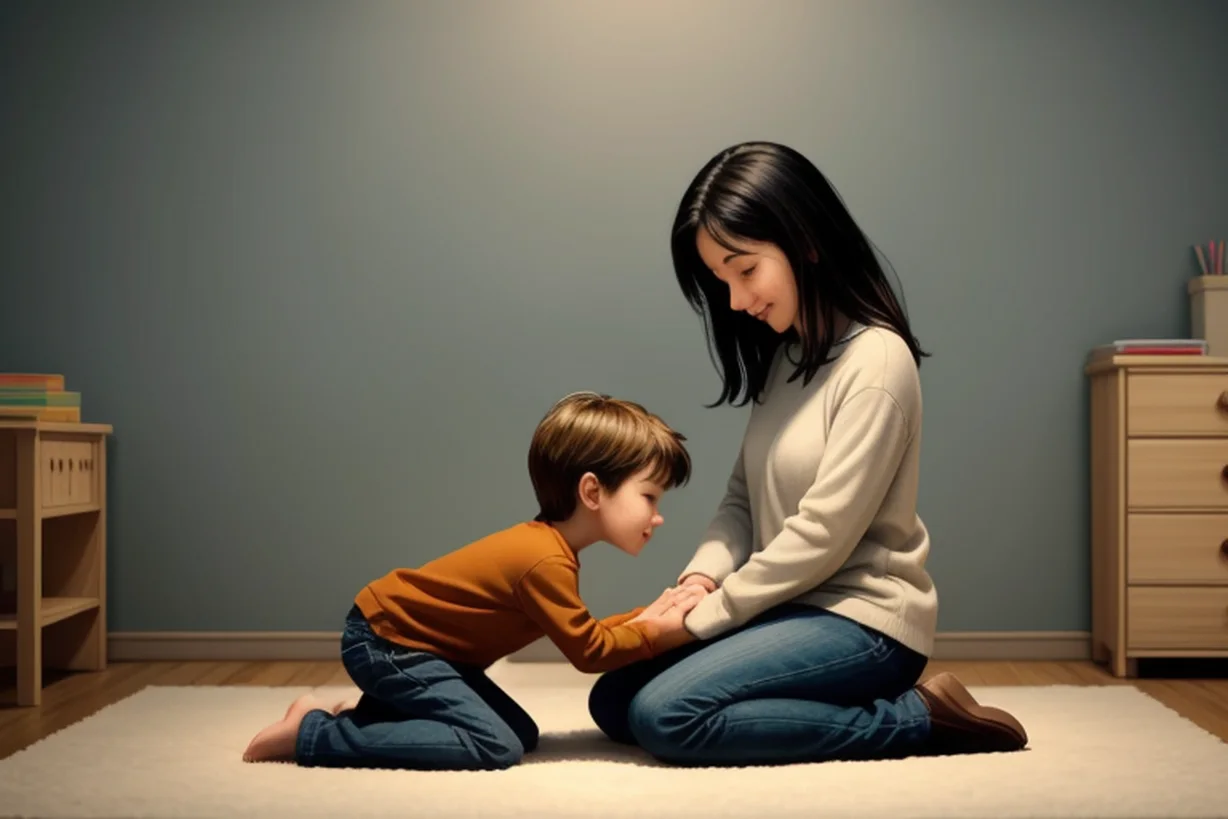
🌟 By the end of this page you’ll have…
- a plain-English explanation of emotional regulation (and co-regulation)
- what calming skills look like at 3, 4 and 5 — using CDC milestones
- 24 emotional regulation activities for preschoolers you can do in 5 minutes
- word-for-word scripts for meltdowns, and what to skip
- a free 5-page printable pack for your fridge and calm corner
🎨 New here? Hi, we’re ColorJoy
ColorJoy makes bold, easy coloring books and free printables for little hands, plus practical guides for real family life. Coloring is one of the calm-down tools we see families reach for most, so we care a lot about how kids settle big feelings. If you have a younger child, start with our calm-down corner for toddlers and overstimulated toddler guide.
Real-life moments
Sound familiar?
Big feelings in preschool often show up in the same few places.
The pickup meltdown
Your child held it together all day at preschool, then fell apart the minute they saw you.
Try this: that is common — you are their safe place. Snack, quiet and a hug before questions.
The “I hate you!” moment
You said no to another show and got words that stung.
Try this: the words are a feeling, not a fact. Stay calm, hold the limit and name the feeling.
The sibling explosion
A block tower falls and someone gets hit.
Try this: stop the hitting, keep everyone safe, and teach the skill later when bodies are calm.
The basics
What is emotional regulation in preschoolers?
Emotional regulation is the ability to notice a feeling, ride it out and come back to calm without hurting yourself or anyone else. Adults still work on it. Preschoolers are at the very start of the journey — and that is exactly why they need practice, not perfection.
Harvard’s Center on the Developing Child describes self-control, working memory and flexible thinking as “executive function” skills that develop over many years, with a burst of growth between ages 3 and 5 (Harvard Center on the Developing Child). Those are the same skills a child uses to stop, think and choose a calmer action.
- Regulation is learned, not built-in. Kids learn it by being calmed by trusted adults again and again.
- Tantrums are normal. The American Academy of Pediatrics notes tantrums are a common part of early childhood (HealthyChildren: temper tantrums).
- Practice happens on calm days. Nobody learns to swim during a storm. Breathing games and feelings talk work best when everyone is relaxed.
- The body comes first. Hungry, tired or overstimulated bodies have much less patience. Check those first.

Age guide
Emotional regulation skills by age: 3, 4 and 5
The CDC milestone checklists do not list “can calm down alone,” but they do include social and emotional skills that build toward it. Use them as a friendly guide, not a test.
| Age | CDC milestone examples | What regulation often looks like | Best activities |
|---|---|---|---|
| 3 | Calms down within 10 minutes after you leave, like at childcare drop-off; notices other children and joins them to play (CDC 3 years) | Needs an adult nearby to calm; short meltdowns; can sometimes name “mad” or “sad” | Feelings faces, smell-the-flower breathing, hug or squeeze choices |
| 4 | Comforts others who are hurt or sad; changes behavior based on where they are, like the library or playground (CDC 4 years) | Starts to use a calm-down choice with reminders; can talk about a feeling after it passes | Calm-down cards, feelings thermometer, stop-and-go games |
| 5 | Follows rules or takes turns when playing games with other children (CDC 5 years) | Waits a little longer; uses words more often; still needs help with very big feelings | Turn-taking games, problem-solving talks, breathing shapes |
🔎 Why this matters
If you expect a 3-year-old to calm down alone, everyone ends up frustrated. If you expect them to borrow your calm, you can plan for it — and the skills grow.
Co-regulation
Co-regulation: the step most guides skip
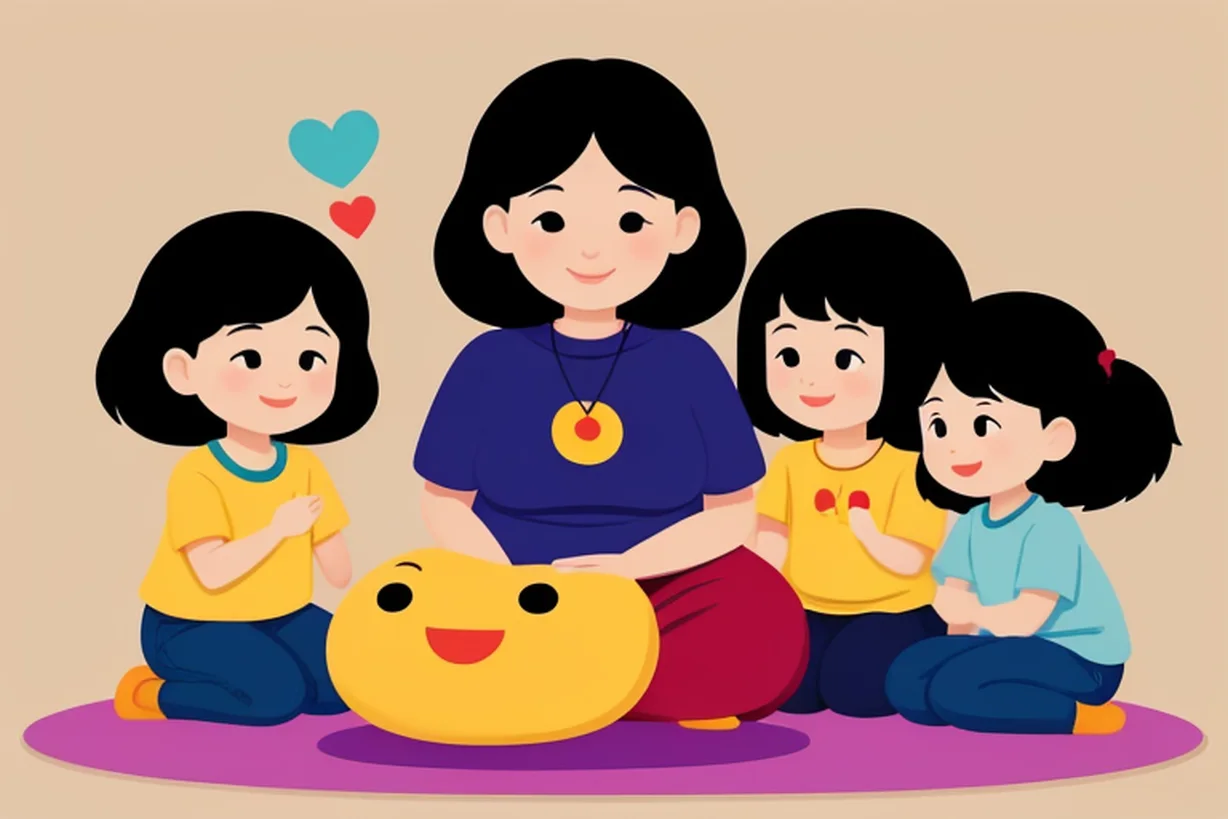
Before children can self-regulate, they co-regulate: they borrow the calm of a trusted adult. Your slower breathing, softer voice and steady body tell their nervous system the danger is over.
- Get low and slow. Kneel to eye level. Lower your voice. Use fewer words.
- Name it. “You are so mad the tower fell.”
- Hold the limit kindly. “I won’t let you hit. You can stomp your feet.”
- Offer two calm choices. “Squeeze hands or big hug?”
- Wait it out. Stay close. Teaching happens later, not mid-meltdown.
- Reconnect. Water, snack, hug or a quiet book.
- Talk for two minutes later. “What helped your body feel calm?”
💡 Your calm counts
If you are about to lose it, it is okay to say “I need a breath too” and take three slow ones out loud. You are modeling the exact skill you want them to learn.
Activities
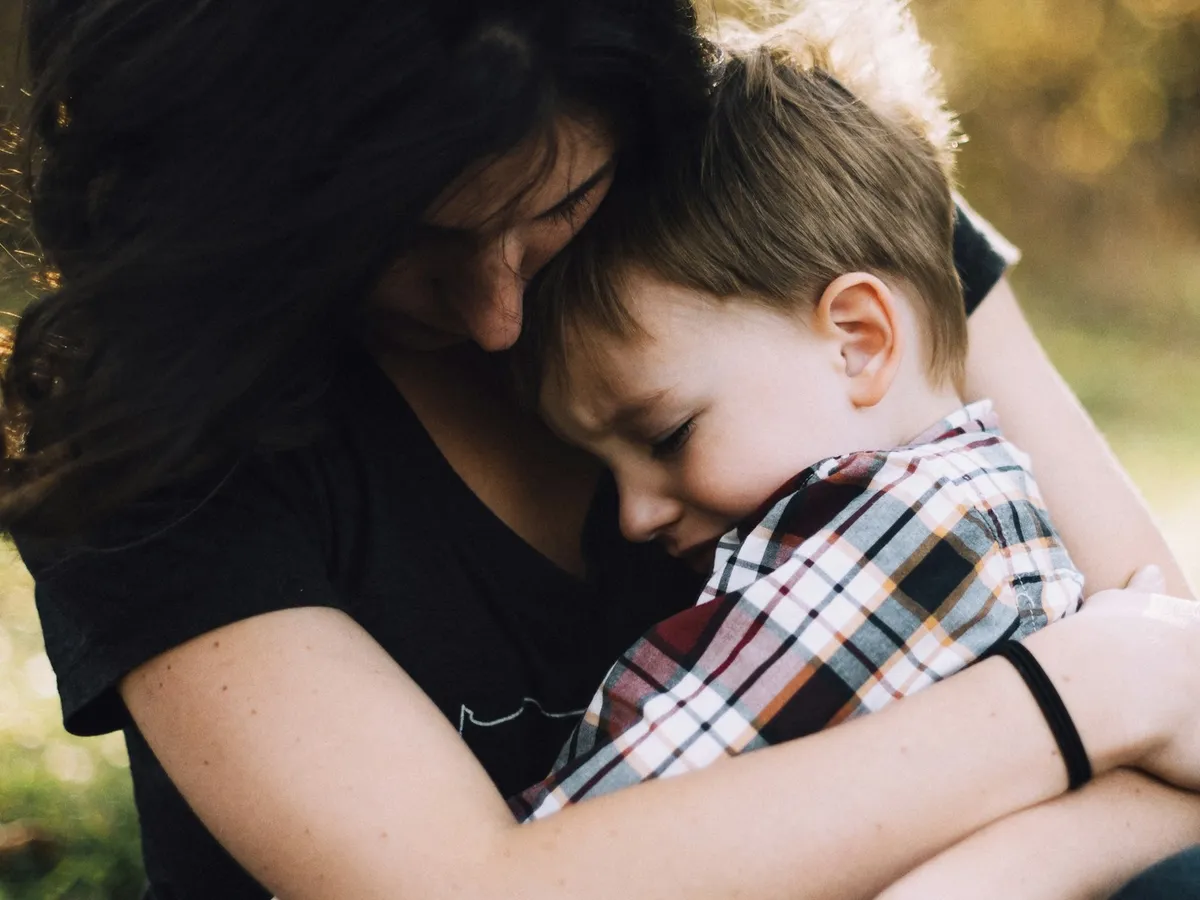
24 emotional regulation activities for preschoolers
Practice one or two a day when everyone is calm. During a meltdown, offer only the ones your child already knows.
- Smell the flower, blow the candleBreathe in through the nose (flower), out through the mouth (candle). 3 rounds. Ages 3–5.
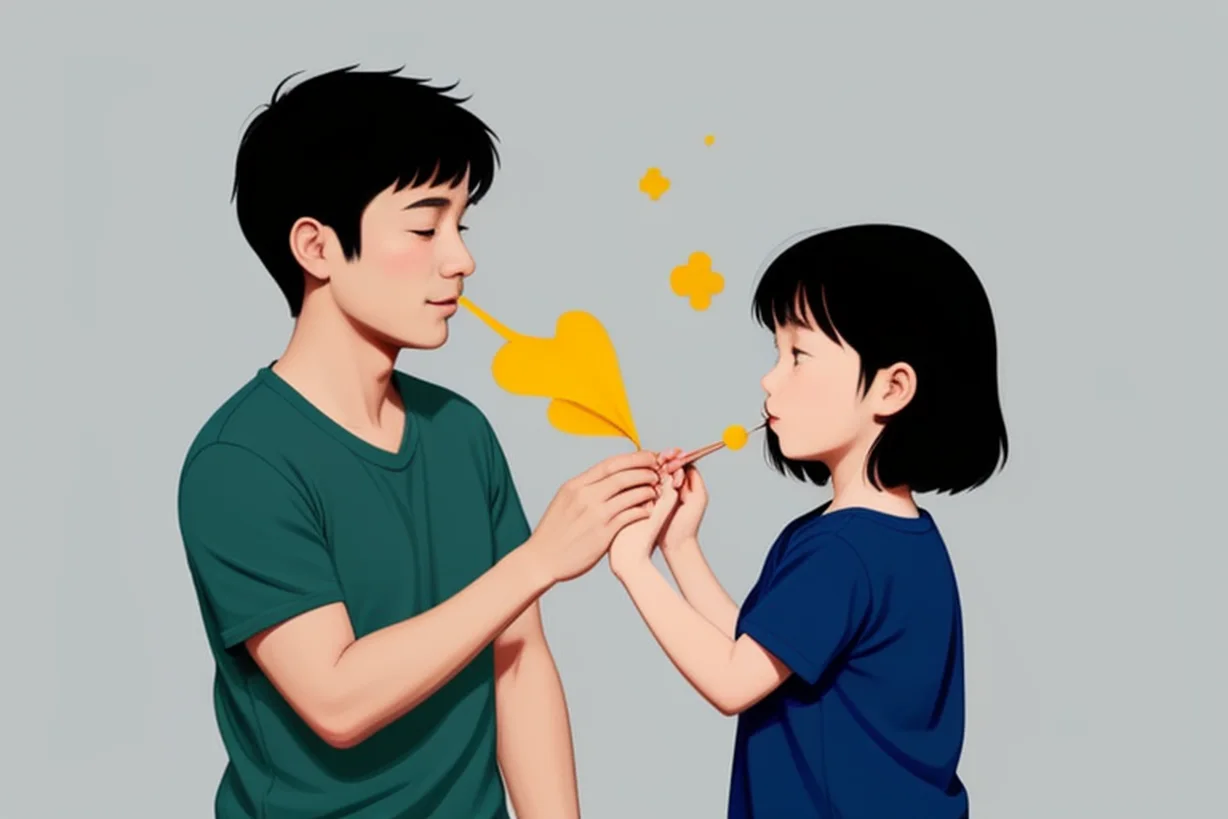
- Pinwheel breathingBlow slowly to make the pinwheel spin gently, then fast. Ages 3–5.
- Teddy bear belly breathingLie down with a stuffed animal on the tummy; watch it rise and fall. Ages 3–5.
- Square or star breathingTrace a square or star with a finger while breathing (page 4 of the free pack). Ages 4–5.
- Feelings faces matchPoint to a face on page 1 that matches how you feel. Ages 3–5.
- Feelings mirrorMake a mad, sad or happy face in the mirror and name it. Ages 3–5.
- Feelings thermometer check-inMove a clothespin to green, yellow or red (page 3). Ages 4–5.
- Freeze danceDance, then freeze when the music stops. Practices stopping a big body. Ages 3–5.
- Red light, green lightClassic stop-and-go game that builds self-control. Ages 4–5.
- Simon says (slow version)Slow, silly commands; laugh when anyone slips. Ages 4–5.
- Squeeze and let goSqueeze fists or a stress ball tight for 5 seconds, then floppy hands. Ages 3–5.
- Wall pushPush the wall as hard as you can for 10 seconds. Great for angry energy. Ages 3–5.
- Animal movesStomp like an elephant, then tiptoe like a mouse. Ages 3–5.
- Calm-down choice cardsPick from two cards when feelings get big (page 2). Ages 3–5.
- Calm corner visitA cozy spot with a pillow, books and crayons — not a punishment. Build one with our calm-down corner guide.
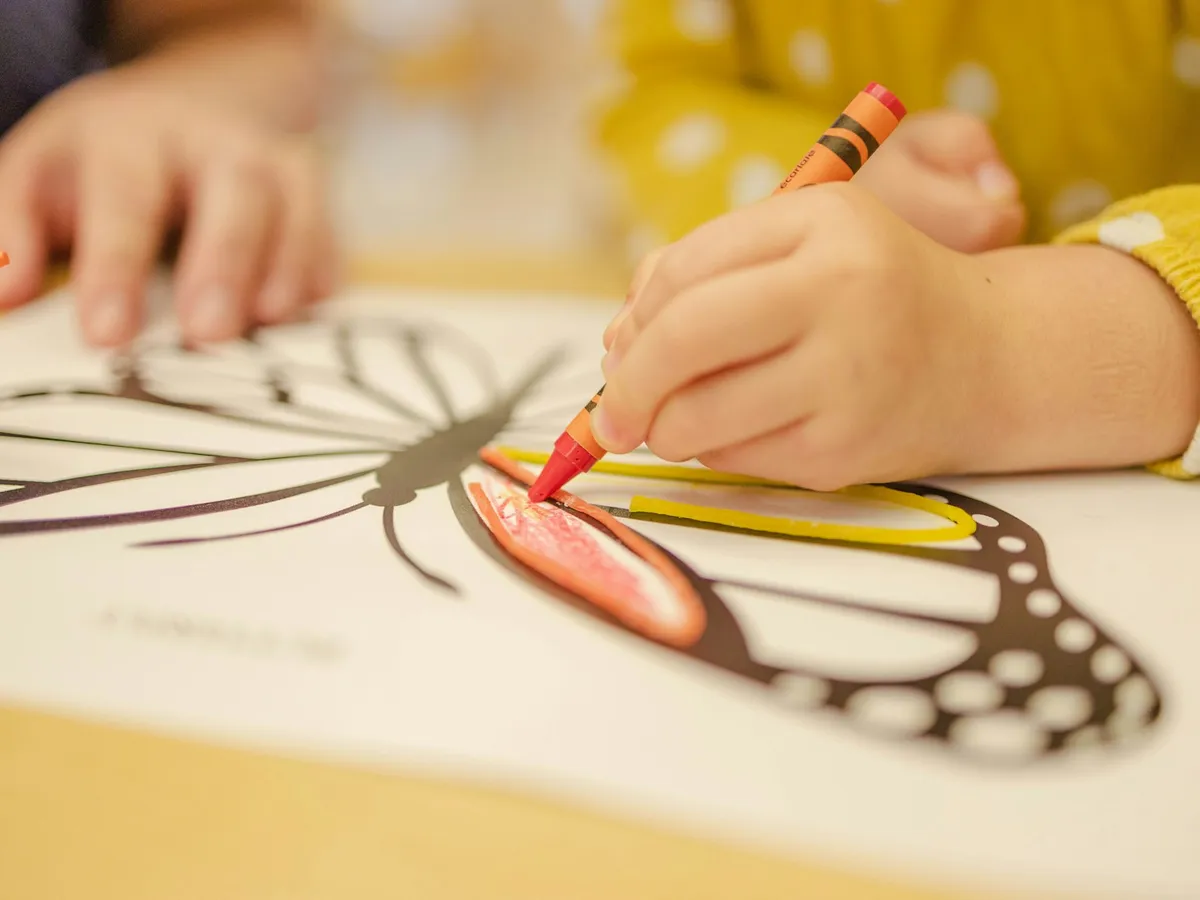
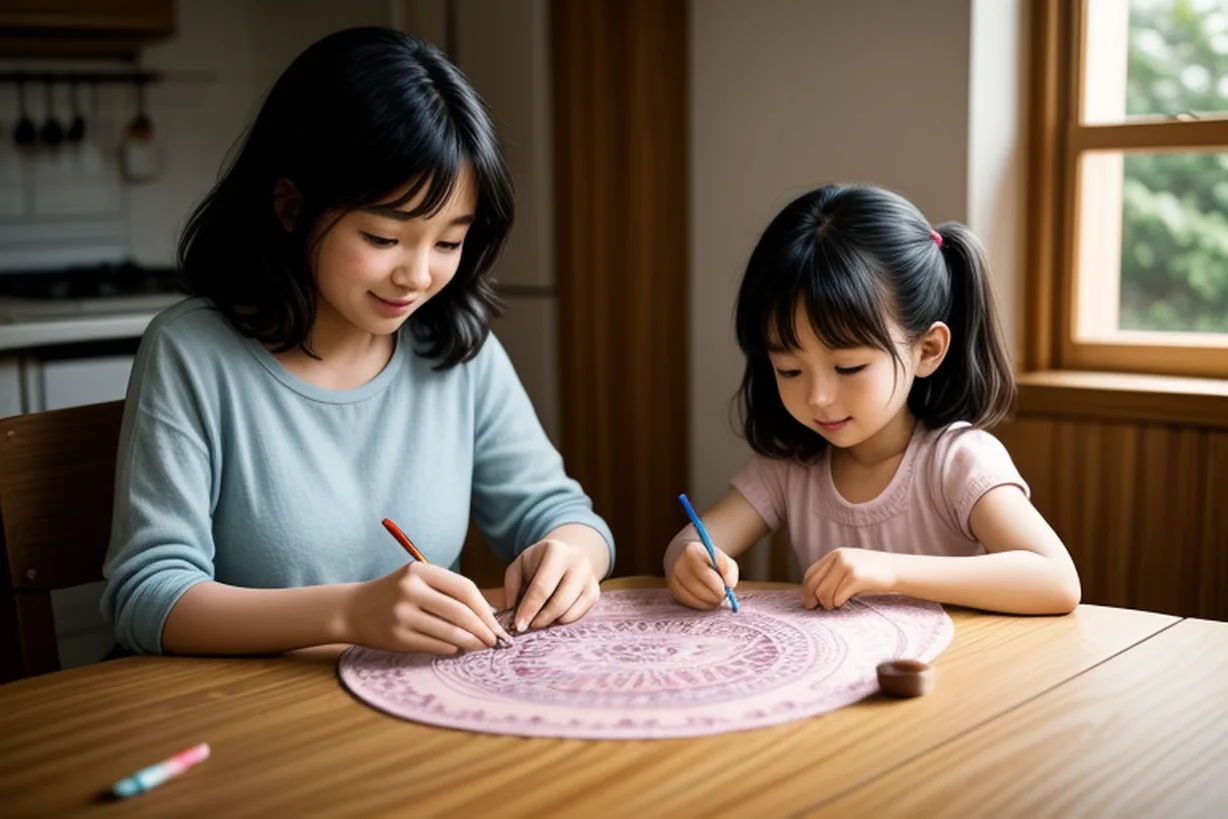
- Mindful coloringFive minutes coloring a pattern or mandala together. Ages 3–5.
- Glitter jar watchShake a sealed jar; breathe until the glitter settles. Glue the lid. Ages 3–5.
- Feelings read-aloudRead a picture book and ask, “How do you think she feels?” Ages 3–5.
- Puppet problem-solvingA puppet is upset; your child helps it calm down. Ages 4–5.
- Worry boxDraw a worry and post it in a box for grown-ups to read later. Ages 4–5.
- Countdown rocketCount backward from 5 and “blast off” into a slow breath. Ages 3–5.
- Heavy work helperCarry books, push a laundry basket, wipe the table. Ages 3–5.
- Gratitude goodnightName one hard thing and one good thing from the day. Ages 4–5. See gratitude activities for kids.
- Calm kit in a bagBring 3 calm tools (squishy, crayons, small book) for outings. Ages 3–5.

Want the deeper “why” behind big feelings?
Understanding Your Child’s Emotions (Parenting Guide PDF, ages 0–12)
A printable parenting guide to the emotions behind behavior, from little ones to big kids. $5.99.
See it on Payhip →Our own book; we earn money if you buy it.
Funny faces make feelings easier to talk about. The Funky Face Dog Coloring Book has 20 dog expressions you can name together while you color.
Scripts
What to say during (and after) a meltdown
| Instead of… | Try… | Why it helps |
|---|---|---|
| “Calm down!” | “I’m right here. Let’s breathe together.” | Gives a how, not just a demand |
| “Stop crying.” | “You’re so sad. It’s okay to cry.” | Naming feelings helps them pass |
| “That’s not a big deal.” | “That felt really big to you.” | Kids feel heard, then settle faster |
| “Go to your room.” | “Let’s go to the calm corner together.” | Connection, not isolation |
| Long lectures mid-tantrum | Two-minute talk later | Thinking brain is offline during big feelings |
- Keep your sentences under 8 words during the storm.
- Use the same calm phrase every time — repetition builds safety.
- Repair after you lose your temper: “I yelled. I’m sorry. Let’s try again.”
- Notice and praise calm moments: “You took a big breath when you were mad!”

Prevention
Common triggers for preschool meltdowns (and prevention tips)
| Trigger | What helps |
|---|---|
| Hunger | Snack before pickup, outings and errands |
| Tiredness | Protect naps or quiet time; see our bedtime routine guide |
| Transitions | Two-minute warnings, timers, a picture schedule (daily routine chart) |
| Too much noise or busyness | Quiet breaks; noise-canceling headphones in loud places |
| Big life changes | New sibling, move or new school — extra connection time (new baby guide) |
| Holiday overload | Fewer plans, more rest, a calm kit in your bag |
Holidays stack many triggers at once: late nights, sugar, travel, crowds and new faces. Plan one quiet hour on big days and pack calm tools — our shy toddler guide has more ideas for busy gatherings.
School
Working with preschool teachers on big feelings
Preschool classrooms often teach feelings words, breathing and calm spots too. When home and school use the same language, children pick up the skills faster.
- Ask the teacher which calm-down words or tools they use (“calm corner,” “turtle breath,” “feelings check-in”) and use them at home.
- Share what works at home: “A wall push helps him when he is angry.”
- Tell teachers about big changes — a new baby, a move, a family illness — so they can offer extra support.
- Expect after-school “restraint collapse.” Plan a snack, quiet play and a hug before questions about the day.
- Celebrate progress together: one calmer drop-off is a real win.

💡 Same words, two places
Write your family’s three calm-down phrases on an index card for the teacher. Consistency is one of the most powerful regulation tools you have.
Weekly plan
A simple weekly practice plan (5 minutes a day)
| Day | Practice | Time |
|---|---|---|
| Monday | Feelings faces match + mirror faces | 5 min |
| Tuesday | Smell the flower, blow the candle + pinwheel | 5 min |
| Wednesday | Freeze dance | 5 min |
| Thursday | Mindful coloring together | 5–10 min |
| Friday | Calm-down choice cards: pick favorites | 5 min |
| Saturday | Feelings read-aloud | 10 min |
| Sunday | Gratitude goodnight | 3 min |
Skip a day? No problem. Practice on easy days is what makes calming tools available on hard days. More quiet ideas live in our mindfulness activities for kids and quiet time activities.
Support
When to talk with your pediatrician
Most big feelings in preschool are a normal part of growing up. It is worth checking in with your child’s doctor if you notice:
- Meltdowns that are very frequent, very long, or getting worse over time
- Hurting themselves or others often during tantrums
- Losing skills they used to have
- Trouble with sleep, eating or daily routines that does not improve
- You feel worried, exhausted or unsure — that alone is a good reason to ask
This guide is general information for families, not a diagnosis or treatment plan.

Free printable
Free printable: emotional regulation pack for preschoolers (5 pages)
🎁 Free printable
ColorJoy Emotional Regulation Pack
Page 1: feelings faces to color and point to. Page 2: eight calm-down choice cards. Page 3: feelings thermometer (green, yellow, red). Page 4: square and star breathing shapes to trace. Page 5: a co-regulation cheat sheet for grown-ups.
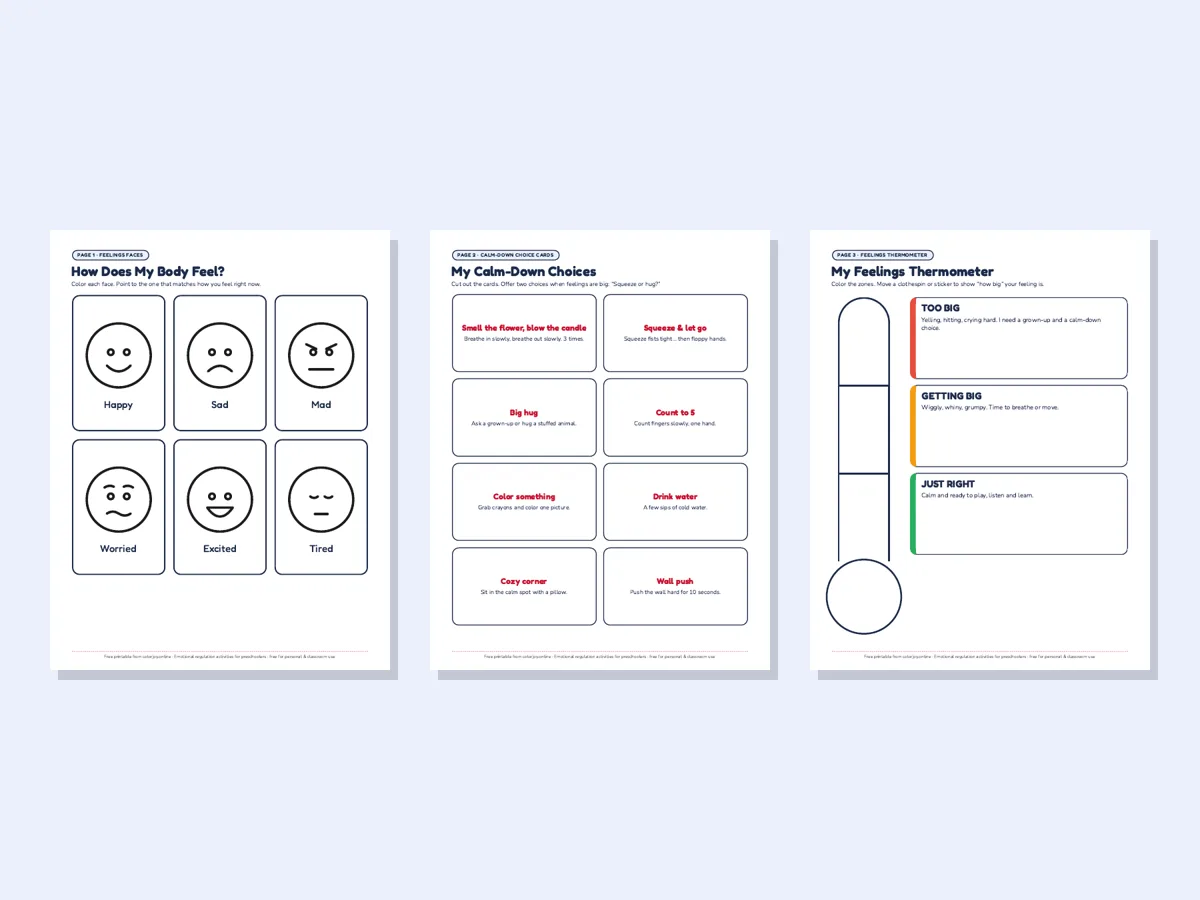
Download the free 5-page emotional regulation pack (PDF) →
Free for personal and classroom use. No email or sign-up needed.
Print on US Letter. Laminate the choice cards or slip them into a page protector, and keep the cheat sheet on the fridge. We share new free printables every week in our activity ideas hub.
Your plan
What to do tonight (about 10 minutes)
Start practicing calm when everyone is calm.
2 minutes
Print pages 1 and 2
Feelings faces + choice cards.
3 minutes
Play feelings mirror
Make faces and name them together.
3 minutes
Try one breathing game
Smell the flower, blow the candle.
2 minutes
Pick two favorite cards
Tape them in the calm corner.
💛 Be kind to yourself
Next time feelings get big, you already have a shared language: “Let’s smell the flower.” That is real emotional regulation practice.
From the ColorJoy shelf
Our pick for calm-down time: Calming Mindful Coloring Book for All Ages

Our pick for the calm corner
Calming Mindful Coloring Book for All Ages: Relaxing Patterns, Mandalas & Nature Scenes
Relaxing patterns, mandalas and nature scenes for kids and grown-ups to color side by side. A calm, screen-free tool for after-school resets and quiet time.
$9.99paperback · Amazon.com
Our own book; we earn money if you buy it. Price as listed on Amazon.com when we checked on 26 October 2026; please confirm on the product page.
Why it’s our pick: coloring gives restless hands something steady to do while feelings settle, and it is something you can do together — which is co-regulation in action. For preschoolers, pick the simplest patterns first and color with them.
For tantrums, hitting and picky eating
Toddler Parenting Guide (PDF)
A short printable guide to tantrums, hitting and picky eating for parents of toddlers and young kids. $3.99.
See it on Payhip →Our own book; we earn money if you buy it.
Browse the Mr A G author store on Amazon for all our coloring books, or get the Kids Printable Mega Bundle on Payhip ($14.99). Full printable store: payhip.com/BookBonbon.
📚 Related books from ColorJoy
If this topic is on your mind, these titles from our own shelf fit well alongside it.
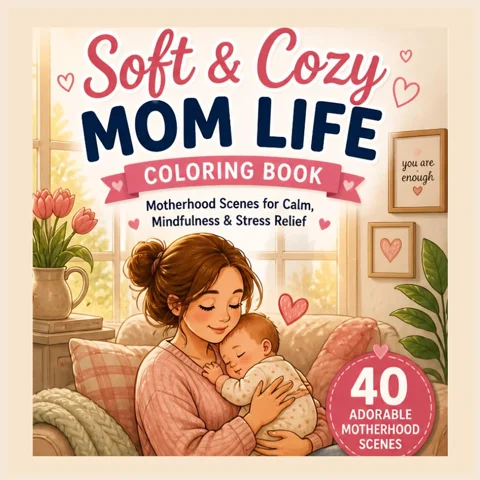
Soft & Cozy Mom Life Coloring Book
A calm coloring book for parents — because your calm matters too.
$9.99 paperback on Amazon.com · Paperback, shipped by Amazon
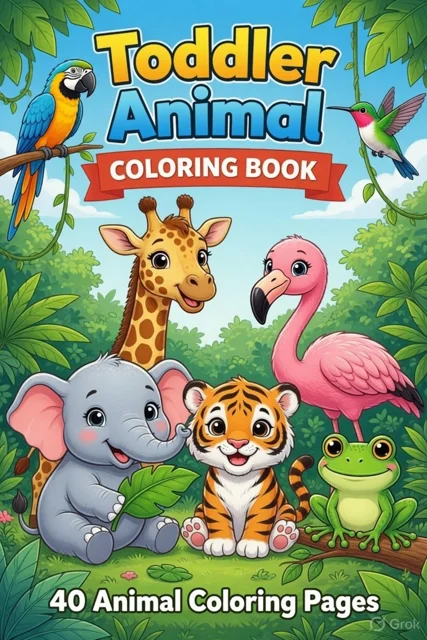
Toddler Animal Coloring Pages (printable PDF)
Big, simple animal pages for quiet coloring in the calm corner.
$1.99 printable PDF on Payhip · Instant PDF download; print at home

Build Confidence in Kids: 23 Daily Habits (PDF guide)
Daily habits that build confidence in kids.
$3.99 printable PDF on Payhip · Instant PDF download; print at home
These are our own books and printables, and we earn money if you buy them. Prices as listed on Amazon.com and Payhip when we checked on 10 November 2026; prices can change, so please confirm on the product page.
Frequently asked questions
What are good emotional regulation activities for preschoolers?
Breathing games (smell the flower, blow the candle), feelings faces, freeze dance, red light green light, squeeze-and-let-go, wall pushes, calm-down choice cards, mindful coloring and feelings read-alouds. Practice them when your child is calm.
At what age can a child regulate their emotions?
Emotional regulation develops gradually through childhood. Preschoolers usually still need an adult’s help (co-regulation), especially with big feelings. Skills such as waiting and taking turns grow between ages 3 and 5.
What is co-regulation?
Co-regulation is when a calm, trusted adult helps a child settle — with a soft voice, slow breathing, closeness and simple words. Children learn to calm themselves by being calmed many times.
Should I use time-outs for meltdowns?
Many families find a calm corner used together works better than sending a child away during a meltdown. Keep it a place to reset, not a punishment, and stay close.
How do I help my preschooler calm down fast?
Get low, use few words, name the feeling, keep everyone safe and offer two familiar calm choices, such as a hug or squeezing hands. Save the talk for later.
Is the emotional regulation printable free?
Yes. The 5-page ColorJoy pack (feelings faces, choice cards, feelings thermometer, breathing shapes and grown-up cheat sheet) is free for personal and classroom use, with no email sign-up.
Big feelings, gentle hands 💛
ColorJoy makes bold, easy coloring books and printables for little hands, plus practical guides for real family life. We add new guides and free pages every week.
For calm coloring side by side, our pick is the Calming Mindful Coloring Book for All Ages.
See the Calming Mindful Coloring Book on Amazon →
More support: how to help a shy toddler, toddler hitting the new baby and daily routine chart for kids.
Photos: Unsplash (Unsplash License). Illustrations: AI-generated for ColorJoy. Book images and printable art: ColorJoy / Mr A G. This guide is general information for families; it is not medical or psychological advice. Talk with your child’s pediatrician about any concerns.