Big feelings • Ages 1–5
Overstimulated Toddler? Signs, Calming Steps and a Holiday Meltdown Plan (+ Free Calm Kit)
The house is loud, the cousins are everywhere, the nap got skipped, and your sweet toddler has turned into a tiny tornado. It’s not bad behavior and it’s not bad parenting. It’s a small nervous system that’s had too much. Here’s how to spot overstimulation early, calm it in the moment, and plan a holiday season with fewer meltdowns, plus a free printable calm kit.

🌟 By the end of this page you’ll have…
- what overstimulation is, and why the holidays are a perfect storm for toddlers
- the early warning signs at 1, 2–3 and 4–5, so you can step in before the meltdown
- seven calming steps for the moment it happens, with words you can say
- a holiday plan drawn from pediatric advice: routines, breaks, a code word and a leave-by time
- a free printable calm kit with a before-the-party checklist, calm choice cards and a butterfly breathing page
🎨 New here? Hi, we’re ColorJoy
ColorJoy is a small family-focused site that makes bold, easy coloring books and printables for little hands, and writes practical, screen-light guides for parents. Every guide includes a free printable. Our books are on Amazon (author name Mr A G) and our printable parenting guides are on Payhip. This guide pairs well with our 7-night toddler sleep routine and quiet time activities.

⭐ Featured ColorJoy book for this guide
Calming Mindful Coloring Book for All Ages
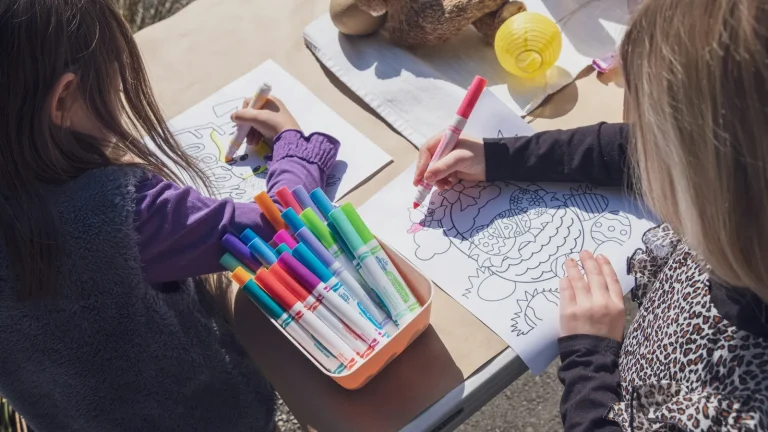
Mandalas, patterns and nature scenes with thick lines. Color side by side with your little one to wind down, and get a quiet moment for you too.
See it on Amazon ($9.99) →Our own book; we earn money if you buy it.
Real-life moments
Sound familiar?
Almost every parent of a toddler has lived through at least one of these. You are in good company.
The party that went sideways
An hour into the family party your toddler was laughing. Two hours in, they were screaming on the kitchen floor because the “wrong” cup was offered.
Try this: take a break before the meltdown, not after: a quiet room, a snack and five minutes of you.
The “wired” bedtime
After a big, exciting day your child should be exhausted. Instead they’re bouncing off the bed at 9 p.m., giggling and crying in the same breath.
Try this: dim the lights early, drop the noise, and follow the same short bedtime steps every night, even on holidays.
The store checkout
Bright lights, music, crowds and a long line. Your toddler starts whining, then covers their ears and refuses to move.
Try this: name what’s happening (“It’s really loud in here”) and step outside for a minute of fresh air if you can.

Understand it
What overstimulation is (and why the holidays make it worse)
Overstimulation happens when a child takes in more noise, light, people, activity or change than their brain can handle at once. Adults can step away or explain how they feel. Toddlers usually can’t, so it comes out as crying, clinginess, hyperactivity or a full meltdown.
Pediatric psychologists at Boston Children’s Health Physicians point out that the holidays bring changes in routine, travel, gatherings and excitement that can make it harder for children to regulate their emotions. Hunger and tiredness add to it: the Illinois Early Intervention Clearinghouse notes that children are more likely to have tantrums when they’re hungry or tired.
Parents’ stress matters too. A pediatrician writing for Seattle’s Child notes that even babies can pick up on their parents’ stress from about three months of age (source). That’s not a reason for guilt. It just means your own calm is one of the most powerful tools you have.
🧠 Why it works this way
Toddlers are still building the ability to manage big feelings. The American Academy of Pediatrics notes that tantrums are most common between ages 1 and 3 and tend to happen less after age 3 (AAP). An overstimulated toddler isn’t giving you a hard time. They’re having a hard time.

Spot it early
Overstimulated toddler signs by age
The earlier you spot the signs, the easier it is to help. Watch for changes from your child’s usual self.
| Age | Early signs | Signs it’s gone too far |
|---|---|---|
| Around 1 | Turning head away, rubbing eyes, fussing, arching back, wanting to be held | Inconsolable crying, refusing to feed, can’t settle |
| 2–3 | Whining, clinginess, running in circles, “silly” wild behavior, covering ears, saying “no” to everything | Throwing, hitting, dropping to the floor, screaming |
| 4–5 | Bossiness, short temper, hiding under tables, getting louder, complaining that clothes or noise “bother” them | Meltdown, running off, saying hurtful things, can’t be reasoned with |
💡 Watch for “wired”
Overstimulation doesn’t always look like distress. A toddler who gets louder, faster and sillier as the evening goes on is often just as overloaded as one who’s crying.
In the moment
7 calming steps for an overstimulated toddler
When the meltdown is already happening, the goal isn’t to teach a lesson. It’s to help your child feel safe enough to calm down. These steps draw on advice from Dayton Children’s Hospital, Boston Children’s Health Physicians and the AAP.
- Lower the input. Move to a quieter room, turn down lights or noise, and step away from the crowd. Dayton Children’s suggests a quiet room or space for calming down.
- Get calm yourself first. Take one slow breath before you speak. Your calm is contagious.
- Say less. Use a soft voice and few words: “It’s loud. I’m here. You’re safe.”
- Name the feeling. “You’re feeling too full of noise.” Naming feelings helps children understand them.
- Offer comfort, not a lecture. A hug, a lovey or simply sitting close. A break to calm down is not a punishment.
- Give two simple choices. Once they’re a little calmer: “Headphones or water?” The AAP suggests offering small choices so toddlers feel some control.
- Keep everyone safe. Calmly stop hitting, throwing or biting. The AAP advises not to ignore hitting, kicking or other unsafe behavior.
🪄 Parent hack
Our free calm choice cards make step 6 easy. Hold out two cards (“Hug my lovey” or “5 dragon breaths”) so your child can point instead of talk.

Plan ahead
The holiday prevention plan
Most meltdowns can’t be prevented entirely, but many can be made smaller and rarer. Here’s a plan built from the advice of pediatric experts.
- Protect the routine. Boston Children’s suggests keeping routines as consistent as possible during the holidays, including naps and bedtime.
- Preview the day. Tell your child who will be there and what will happen. The Illinois EI Clearinghouse suggests a picture schedule so children know what’s coming.
- Feed them first. Offer a real snack before you go. Watch sugar, and avoid caffeine.
- Schedule breaks. Plan a quiet five minutes every hour or so, before your child needs it.
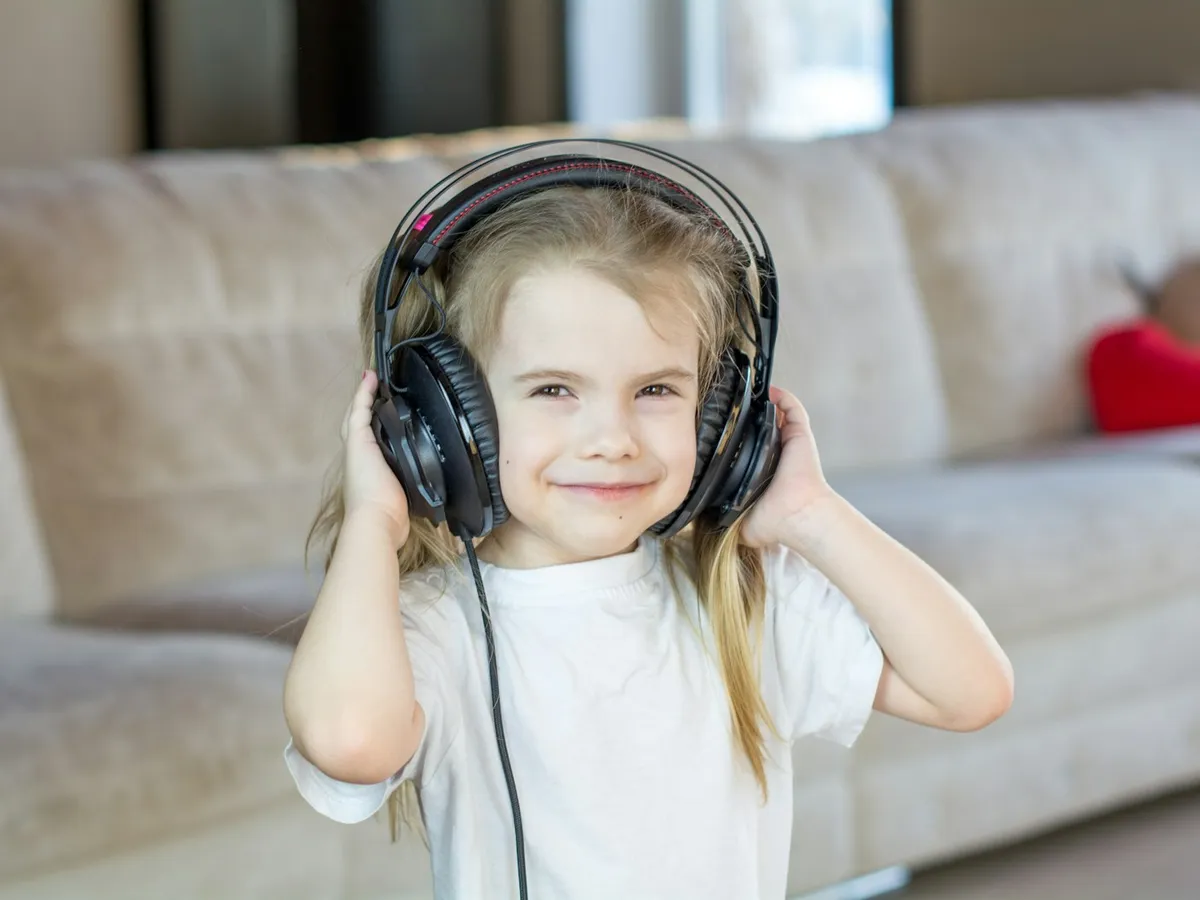
- Pack comfort items. Headphones, a fidget or a favorite comfort object can help, Boston Children’s suggests.
- Agree on a code word. Seattle’s Child suggests a code word that means “I need a break.”
- Get outside. Fresh air and movement help reset everyone. A walk around the block counts.
- Give transition warnings. Johns Hopkins Medicine suggests a five-minute warning before changes, like leaving the park or the party.
- Set a leave-by time. Decide in advance when you’ll go home, and leave while things are still going well.
If gatherings tend to bring out hitting or big sibling feelings, our guide to toddler hitting has calm scripts, and our airplane activities and road trip activities guides help with holiday travel.

📘 For parents who want to go deeper
Understanding Your Child’s Emotions (PDF guide)
Our printable parenting guide to emotional development from ages 0 to 12. Read it on your phone during nap time.
See it on Payhip ($5.99) →Our own book; we earn money if you buy it.

Rest matters
Sleep and overstimulation
A tired toddler is far more easily overwhelmed. The American Academy of Pediatrics recommends the following total sleep per 24 hours, including naps (AAP):
| Age | Recommended sleep per 24 hours | Holiday tip |
|---|---|---|
| 1–2 years | 11–14 hours | Protect the nap, even if it’s in the stroller or car |
| 3–5 years | 10–13 hours | Offer quiet time if a nap is skipped; keep bedtime within 30 minutes of usual |
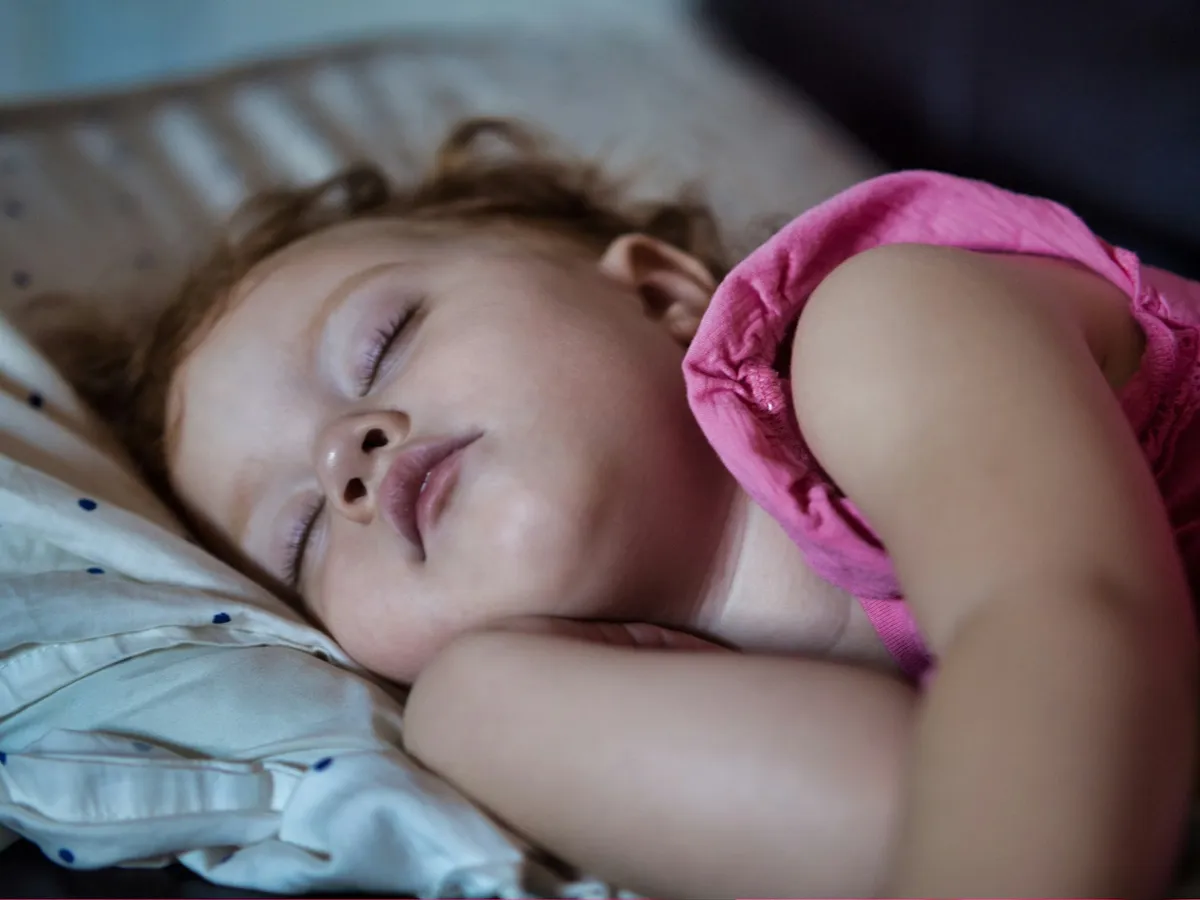
After a big day, overstimulated toddlers often fight sleep. Start winding down earlier than usual: dim lights, a warm bath, a familiar book and the same order of steps every night. Our 7-night sleep routine walks through it, and our evening screen time guide helps if screens are part of the wind-up.
Pack it
Build a calm kit (in 10 minutes)
A calm kit is a small bag of familiar, soothing things you bring to busy places. Keep it by the door for the whole season.
| Item | Why it helps |
|---|---|
| Comfort toy or blanket | Something familiar in an unfamiliar place |
| Headphones or ear muffs | Turns the volume down on a loud room |
| Snack and water cup | Hunger makes everything harder |
| Small coloring book and crayons | A quiet, focused activity in a side room |
| A favorite board book | A familiar story is soothing |
| Squishy toy or play dough | Gives busy hands something to do |
| Calm choice cards | Lets your child choose a calming tool by pointing |

For you
Your own calm matters too
It’s hard to stay calm when your child is screaming and a room full of relatives is watching. Here are a few things that help.
- Remember whose opinion counts. Your child needs you more than the relatives need an explanation.
- Have a script ready. “She’s had a big day. We’re going to take a break.”
- Breathe out longer than you breathe in. A slow exhale is calming for you and contagious for them.
- Tag-team. Agree with your partner or a relative who takes the next break.
- Let go of “perfect.” Leaving early is a success, not a failure.
- Refill afterward. Ten quiet minutes for you after bedtime is part of the plan, not a luxury.
Boston Children’s Health Physicians point out that children learn to regulate by watching adults model calm. Every time you take a slow breath before responding, you’re teaching.
Get support
When to call the pediatrician
Most toddler meltdowns are a normal part of development. Johns Hopkins Medicine notes that tantrums usually last from a few minutes up to about 15 minutes. Talk to your child’s doctor if (Johns Hopkins Medicine):
- Tantrums are very severe, last a long time, or happen several times a day
- Tantrums are still happening regularly after age 5
- Your child hurts themselves or others during tantrums
- Your child holds their breath or faints during tantrums
- Your child seems very anxious, or you notice trouble with sleep, eating or development
- Noise, textures or crowds regularly cause extreme distress that gets in the way of daily life
🩺 Good to know
This guide is general information, not medical advice. If you’re worried, trust your instincts and ask your pediatrician. You know your child best.
In pictures
Calm moments
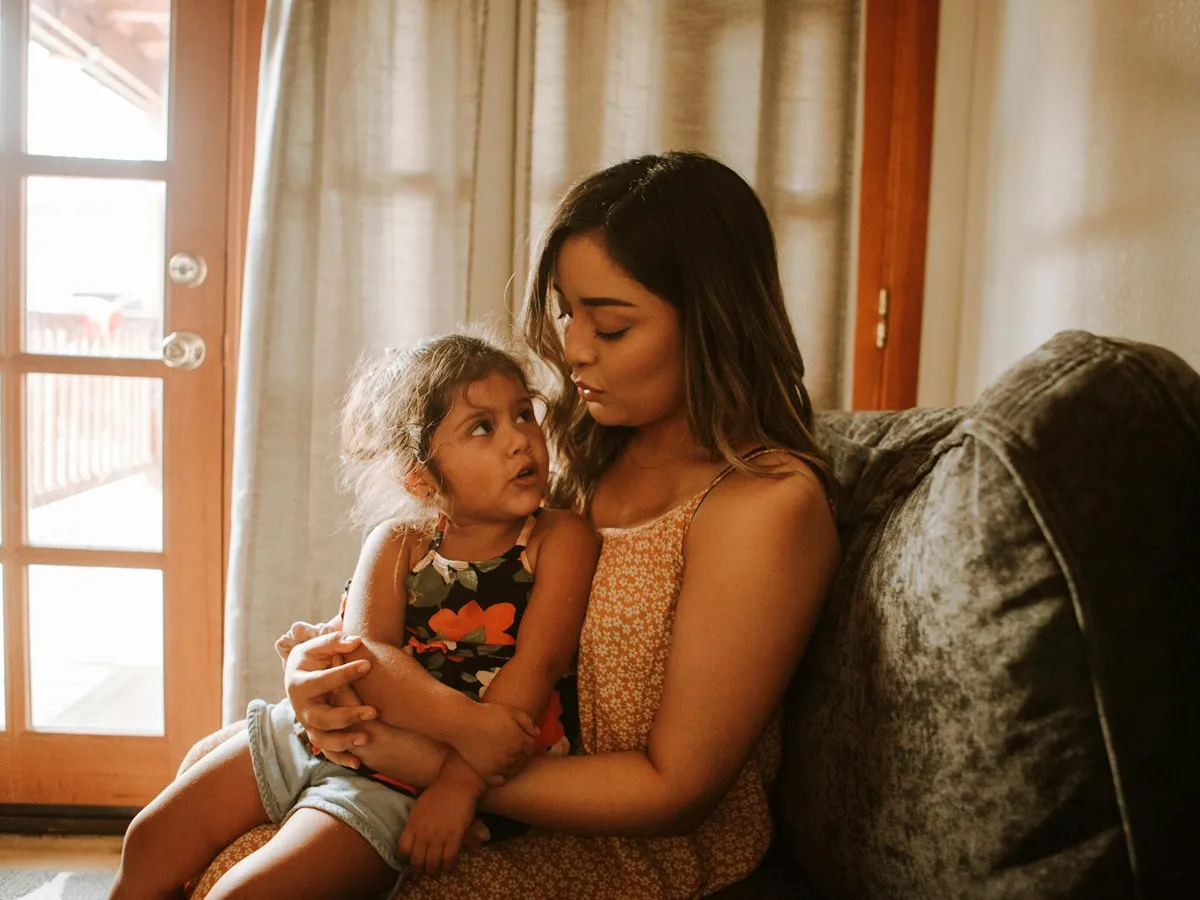
Small, quiet moments are what help little ones reset during a busy season.

Freebie
Free printable: holiday calm kit and calm choice cards
🎁 Free printable
The ColorJoy Holiday Calm Kit (3 pages)
Page 1 is a before-the-gathering checklist with a calm kit list and spaces for your code word, quiet spot and leave-by time. Page 2 has eight calm choice cards to cut out. Page 3 is a butterfly breathing page from our Magical Butterfly Coloring Book, with a “how full is my feelings cup?” scale.

Download the free printable (PDF) →
Free for personal and classroom use. No email or sign-up needed.

We add a new free printable to every guide. Try our simple butterfly coloring pages for more quiet-corner coloring, and come back for more calm printables through the holidays.
Your plan
What to do tonight (about 15 minutes)
You can’t control every party, but you can walk in with a plan. Here’s a 15-minute start.
5 minutes
Pack the bag
Put a lovey, a snack, headphones and a small coloring book in a tote by the door.
2 minutes
Choose your code word
Something silly, like “pineapple,” that means “we need a break.”
5 minutes
Practice when calm
Play with the cards and try five dragon breaths together at bedtime, so they’re familiar later.

💛 Be kind to yourself
Practicing calming tools when your child is already calm is what makes them work in a hard moment. A little play tonight pays off at the next family gathering.
From the ColorJoy shelf
Our calm-corner pick: the Calming Mindful Coloring Book
Our calm-corner pick
Calming Mindful Coloring Book for All Ages
Relaxing patterns, mandalas and nature scenes with thick lines and single-sided pages, designed for kids, teens and adults.
$9.99paperback · 69 pages · 6 × 9 in · all ages
Our own book; we earn money if you buy it. Price as listed on Amazon.com when we checked on 24 October 2026; please confirm on the product page.
Here’s an honest note. This book is made for all ages, not specifically for toddlers. The thick lines help little hands, but many designs are detailed, so for a toddler or preschooler think of it as a book you color together: they add big splashes of color, you fill in the details. That shared, quiet focus is exactly why we like it for a holiday calm kit.
When your preschooler needs a break in a quiet room, you can sit together: they color one corner, you color the next. You’re modeling calm, which pediatric psychologists say helps children learn to regulate, and you get a few minutes of quiet too. At 6 × 9 inches it fits in a diaper bag. Single-sided pages mean marker bleed won’t ruin the next design. Browse every title in the Mr A G author store on Amazon, or see our Magical Butterfly book page for a gentler nature-themed option.
📚 Related books from ColorJoy
If this topic is on your mind, these titles from our own shelf fit well alongside it.
Toddler Parenting Guide: Tantrums, Hitting & Picky Eating (PDF)
Our short printable guide to tantrums, hitting and picky eating, for quick help on a hard week.
$3.99 printable PDF on Payhip · Instant PDF download; print at home
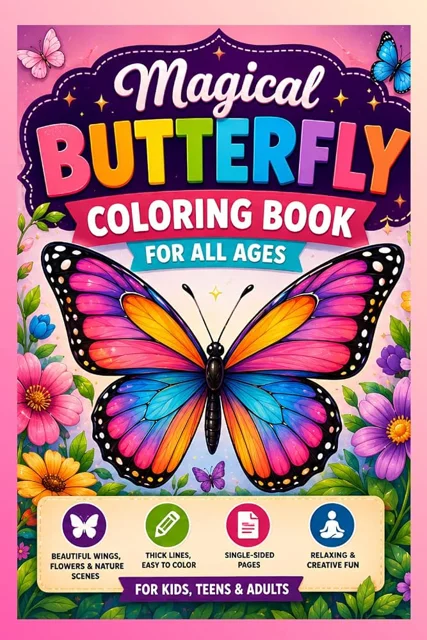
Magical Butterfly Coloring Book for All Ages
Butterflies and flowers in thick lines; the source of our butterfly breathing page.
$8.99 paperback on Amazon.com · Paperback, shipped by Amazon

No-Prep Screen-Free Indoor Activities (printable PDF guide)
No-prep, screen-free indoor ideas, including calm activities for after a busy day.
$6.99 printable PDF on Payhip · Instant PDF download; print at home
These are our own books and printables, and we earn money if you buy them. Prices as listed on Amazon.com and Payhip when we checked on 24 October 2026; prices can change, so please confirm on the product page.
Frequently asked questions
What are the signs of an overstimulated toddler?
Common signs include whining, clinginess, covering ears, running around wildly or acting “silly,” saying no to everything, rubbing eyes, and then crying, throwing, hitting or a full meltdown. Babies may turn away, arch their back or cry inconsolably.
How do I calm an overstimulated toddler?
Move to a quieter space, lower lights and noise, stay calm yourself, say little in a soft voice, name the feeling, offer comfort, and give two simple choices once they settle. Keep everyone safe and save any talking for later.
How can I prevent holiday meltdowns?
Keep naps and bedtime as consistent as you can, preview the day, feed your child before you go, schedule quiet breaks, pack comfort items like headphones and a lovey, use a code word for breaks, give transition warnings, and leave while things are still going well.
How long should a toddler tantrum last?
Johns Hopkins Medicine notes that tantrums usually last from a few minutes up to about 15 minutes. Talk to your pediatrician if tantrums are very long or severe, happen several times a day, continue regularly after age 5, or involve injury or breath-holding.
How much sleep does a toddler need?
The AAP recommends 11 to 14 hours per 24 hours for children aged 1 to 2, and 10 to 13 hours for ages 3 to 5, including naps.
Why is my toddler hyper after a party?
Overstimulation can look like extra energy rather than tears. A toddler who gets louder, faster and sillier as the evening goes on is often overloaded. Dim the lights, lower the noise and start a calm bedtime routine early.
Here’s to calmer holidays, for both of you 🍃
ColorJoy makes bold, easy coloring books and free printables for little hands, plus calm, practical guides for parents. New guides and printables go up every week through the holidays, so come back soon.
For your calm kit, our pick is the Calming Mindful Coloring Book: simple shapes for little hands, mandalas for yours.
Get the Calming Mindful Coloring Book →
Next up: the 7-night sleep routine or browse our printable shop.
Photos: Unsplash (Unsplash License). Book pages and printable art: ColorJoy / Mr A G. This guide is general information, not medical advice.