Mealtimes • Toddlers 1–5
Picky Eater Toddler? A Calm, No-Pressure Plan (Plus Meal Ideas They’ll Actually Try)
Yesterday they loved banana. Today banana is “yucky” and the only acceptable dinner is plain pasta. If you have a picky eater toddler, you are in very good company: pediatric experts describe picky eating as a normal toddler stage. This guide explains why it happens, the simple division of jobs that takes the fight out of dinner, a step-by-step “tasting ladder,” a week of picky-eater meal ideas, fun ways to meet vegetables away from the table, and the signs that it’s time to call your pediatrician.
✓ Why toddlers get picky✓ No-pressure plan✓ 7 days of meal ideas✓ Free veggie explorer chart
In this guide
- Why toddlers become picky eaters
- The two-job rule that ends dinner battles
- How many tries does it take?
- The tasting ladder: small steps count
- Build a “safe food + new food” plate
- 7 days of picky eater toddler meal ideas
- Meet veggies away from the table
- What not to do
- Age-by-age guide
- When to talk to your pediatrician
- A coloring book that makes veggies friendly
- FAQ & final thoughts
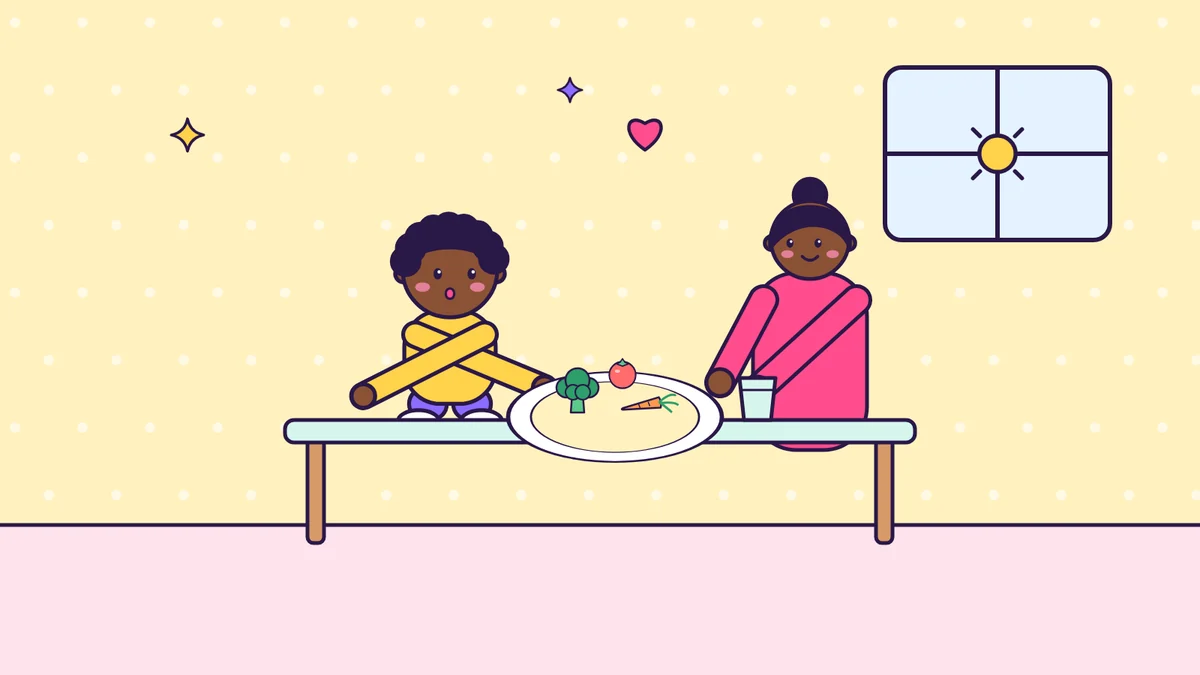
Why toddlers become picky eaters
The American Academy of Pediatrics (AAP) puts it plainly in its 10 tips for parents of picky eaters: picky eating is often the norm for toddlers. After the fast growth of infancy, a toddler’s growth rate slows down, and so does their appetite. At the same time, toddlers are developing food preferences in a famously fickle way: a favorite food one day may hit the floor the next, and for weeks some toddlers eat only one or two preferred foods.
● Three big reasons behind the “no”
- Slower growth, smaller appetite. Toddlers often eat less than parents expect, and appetite can swing from meal to meal. A big lunch can mean a tiny dinner.
- Fear of new foods (neophobia). The AAP notes that between 18 months and 2 years, many children start to dislike unfamiliar foods. Being cautious about new things to eat is a normal developmental stage.
- A growing need for control. Toddlers are discovering they can say no, and food is one of the few things they truly control.
The CDC’s page on picky eaters adds reassurance: favoring just a couple of foods or not wanting foods to touch on the plate are normal behaviors that often go away by the time a child is about 5. In other words, you aren’t failing, and your child isn’t broken. You’re both in a phase, and there are calm, research-backed ways to get through it.
🌱 What we’re aiming for
The two-job rule that ends dinner battles
The most useful idea in toddler feeding is surprisingly simple. Dietitian Ellyn Satter’s Division of Responsibility in feeding splits mealtimes into two sets of jobs:
The AAP’s picky-eater advice says the same thing in its own words: it’s a parent’s responsibility to provide food, and the child’s decision to eat it. Pressuring kids to eat, or punishing them if they don’t, can make them actively dislike foods they might otherwise like.
● What this looks like at your table
- Serve one family meal. Include at least one food your toddler usually eats (the AAP recommends this), plus whatever the family is having.
- Offer meals and snacks at fairly regular times, with water in between. Grazing all day makes toddlers less hungry at meals.
- Sit together, without TV or phones. The AAP recommends media-free family meals.
- Let your toddler decide how much to eat from what’s there, including nothing.
- When they’re done, they’re done. No bargaining, no “three more bites,” and no separate meal cooked on demand.
🤔 “But what if they eat nothing?”
How many tries does it take?
Here’s the most encouraging fact about picky eating: refusing a food once, or ten times, doesn’t mean your child will never like it. Experts agree that repeated, low-pressure exposure is what slowly changes a “no” into a “maybe.” The exact number varies by source:
- The CDC says it may take 8 to 10 exposures before a young child is willing to try a new food.
- The AAP’s 10 tips say it can take 10 or more tastes before a toddler’s taste buds accept a food.
- An AAP pediatrician-dietitian writing on HealthyChildren.org says it can take children 15–20 tries to like a new food.
The takeaway isn’t the exact number; it’s that many tries are normal. Most parents give up after two or three refusals, which is right when the work is just beginning. Both the CDC and AAP suggest waiting about a week or two before offering the same new food again, and serving it in small amounts so there’s less waste.
● What counts as an “exposure”?
Exposure doesn’t only mean eating. Seeing broccoli on the table, watching you eat it, touching it, smelling it, helping wash it and even seeing pictures of it all build familiarity. That’s why the tasting ladder below celebrates every small step.
The tasting ladder: small steps count
Think of trying a new food as a ladder rather than a leap. A cautious toddler may need days or weeks on each rung, and that’s fine. Your job is to offer the next rung without pushing.

Rung 1
Look
The food is on the table, or on a separate small plate near your child. No one mentions it.
Rung 2
Touch
Your toddler pokes it, picks it up, moves it, or helps put it on your plate.
Rung 3
Smell
“What does it smell like? Sweet? Like grass?” Sniffing is real progress.
Rung 4
Lick or kiss
A quick lick or a “kiss” of the food. Silly is good here.
Rung 5
Taste
A tiny taste, with permission to spit it into a napkin. Knowing they can stop makes trying feel safe.
Rung 6
Bite and chew
A real bite. Celebrate the trying, not the swallowing or the amount.
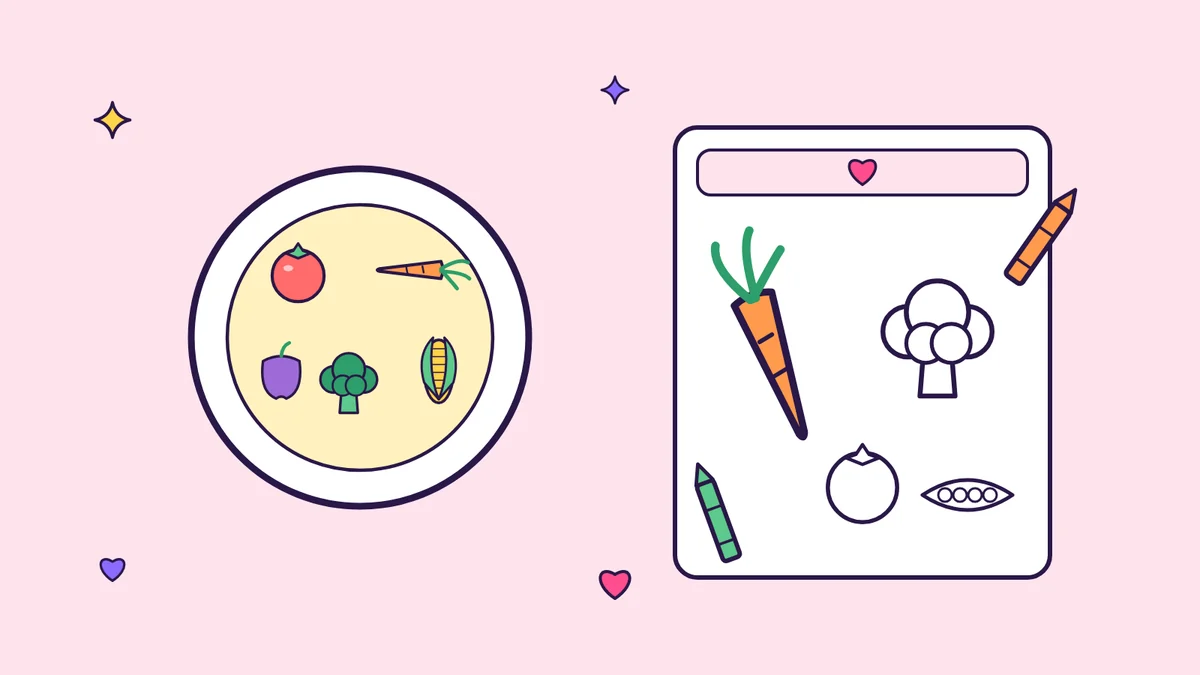
Our free Veggie Explorer Chart (below) turns the ladder into a coloring activity: your child colors a circle for each rung they reach with each vegetable. Notice that you can earn a circle for looking. That keeps the pressure off and the curiosity on.
Build a “safe food + new food” plate
Every plate you serve your picky eater toddler can follow the same easy pattern. It’s based on the AAP’s advice to include at least one food your child likes at each meal, and to pair unfamiliar foods with familiar ones.
● Use “food bridges”
The AAP describes food bridges: once a food is accepted, offer others with a similar color, flavor or texture. Their example: if your child likes pumpkin pie, try mashed sweet potato next, then mashed carrots. Other bridges that often work:
- French fries → oven potato wedges → sweet potato wedges → roasted carrot “fries”
- Applesauce → pear sauce → mashed banana-and-pumpkin
- Buttered noodles → noodles with a few peas → noodles with soft zucchini ribbons
- Cheese quesadilla → quesadilla with mashed black beans → with soft diced peppers
● Pair bitter with salty or sweet
Toddlers naturally prefer sweet and salty flavors and often dislike bitter and sour ones at first. The AAP suggests pairing, such as broccoli with grated cheese, a combination they call a great match for toddler taste buds.
⚠️ Choking safety for under-4s
7 days of picky eater toddler meal ideas
These dinners follow the safe-food-plus-new-food pattern. They’re ideas, not a strict menu; swap in your family’s favorites and cultural dishes. Serve the new food in a tiny amount and don’t comment on whether it’s eaten.
● Easy picky-eater breakfasts and lunches
- Breakfast: oatmeal with a swirl of mashed banana or pumpkin; yogurt with soft mashed berries; toast fingers with a thin layer of nut or seed butter (spread thinly; the CDC lists chunks of nut butter as a choking risk).
- Lunch: a “snack plate” with soft cheese cubes cut small, crackers, soft-cooked green beans, and one familiar fruit; a mini sandwich cut into shapes; leftover pasta with a few peas.
- Snacks: keep them at set times and simple, so your toddler arrives at meals a little hungry. The AAP notes that scheduled meals and limited snacks help make sure a child is hungry when a new food appears.

Meet veggies away from the table
Some of the best exposure happens when no one is asking your child to eat anything. These ideas build curiosity and familiarity.
● 1. Let them help cook
The AAP lists toddler-friendly kitchen jobs (with lots of supervision): sifting, stirring, counting ingredients, picking herbs and “painting” oil with a pastry brush. Our tip: give them a job while you cook so they’re not hungry and bored at the counter. Our ideas for independent play help on nights they’d rather play.
● 2. Shop together
Let your toddler choose one vegetable at the store or farmers market. The AAP recommends involving kids in choosing fruits and vegetables.
● 3. Make food silly
The CDC suggests making funny faces with food on the plate. Broccoli trees, carrot-coin wheels and pea “eyes” turn dinner into play.
● 4. Read and look at food books
In a 2014 study from the University of Reading, parents read a picture book about a fruit or vegetable with their 19- to 26-month-old toddlers every day for two weeks. The toddlers ate more of an unfamiliar vegetable they’d seen in their book than of a matched vegetable they hadn’t. Picture books gave them a friendly, no-pressure first look.
● 5. Color the veggies
Coloring vegetables wasn’t what that study tested, but it’s the same kind of low-pressure looking: your child spends time with the shape and color of a broccoli or a pepper with no plate in sight. Talk about it while they color: “Is your carrot crunchy? What color is the inside of a pepper?” Our free vegetable coloring pages and cute food coloring pages are an easy place to start.
● 6. Grow something
Even a pot of herbs or lettuce on a windowsill makes food interesting. The AAP suggests mini gardens for school-age kids, and preschoolers love watering too.
● 7. Play “restaurant” or “farmers market”
Pretend play with toy food lets toddlers “cook” and “serve” vegetables to you and their teddies, building familiarity with zero pressure.
What not to do
These are the most common, completely understandable reactions to a picky eater toddler. Unfortunately, they tend to make picky eating last longer.
What about hiding vegetables in sauces and muffins? It’s a fine way to add nutrients, and many parents do it. Just keep offering the visible version, too, because a child can’t learn to like a food they never knowingly see or taste.
Picky eating by age
The CDC notes that many picky behaviors fade by about age 5. If your child is older and still very limited, or things are getting worse instead of better, check the signs in the next section.
When to talk to your pediatrician
Most picky eating is a normal stage. But some children need extra help, and it’s always okay to ask. Talk to your pediatrician if your child:
- Is losing weight, not gaining as expected, or you’re worried about growth.
- Refuses most foods, or accepts very few foods (Dayton Children’s Hospital’s picky eating guide flags having fewer than about 20 accepted foods as a sign to get help).
- Gags or vomits at the sight, smell or touch of certain foods, or only accepts one texture.
- Coughs, chokes or seems to have pain when eating or swallowing.
- Has meltdowns whenever a new food is near, or meals have become so stressful that everyone dreads them.
- Isn’t progressing with feeding skills, such as still only eating purées well past toddlerhood.
Your pediatrician can check growth, rule out medical causes, and refer you to a pediatric dietitian or feeding therapist if needed. Asking early is a good thing.
⚠️ This article is general information
Picky eater checklist
- ☐One safe food is on every plate
- ☐Meals and snacks happen at roughly set times
- ☐We eat together without screens
- ☐New foods are tiny and pressure-free
- ☐I re-offer refused foods after a week or two
- ☐My child helps shop, wash or stir at least once a week
- ☐We look at, color or read about veggies away from the table
- ☐I’m celebrating looking and touching, not just eating
🎁 Free printable
Free printable: Veggie Explorer Chart + Rainbow Plate coloring page (2 pages)
We made this printable for this guide. It’s free and isn’t a page from any of our paid products. Stick page 1 on the fridge and let your child color a circle for every step they take with a vegetable.
- Page 1: Veggie Explorer Chart: look, touch, smell, lick, taste, bite for carrot, broccoli, tomato, pepper and peas
- Page 2: Color Your Rainbow Plate: a big plate of vegetables to color
Free, no email needed. US Letter size; print at 100%. For personal and classroom use.
A coloring book that makes veggies friendly
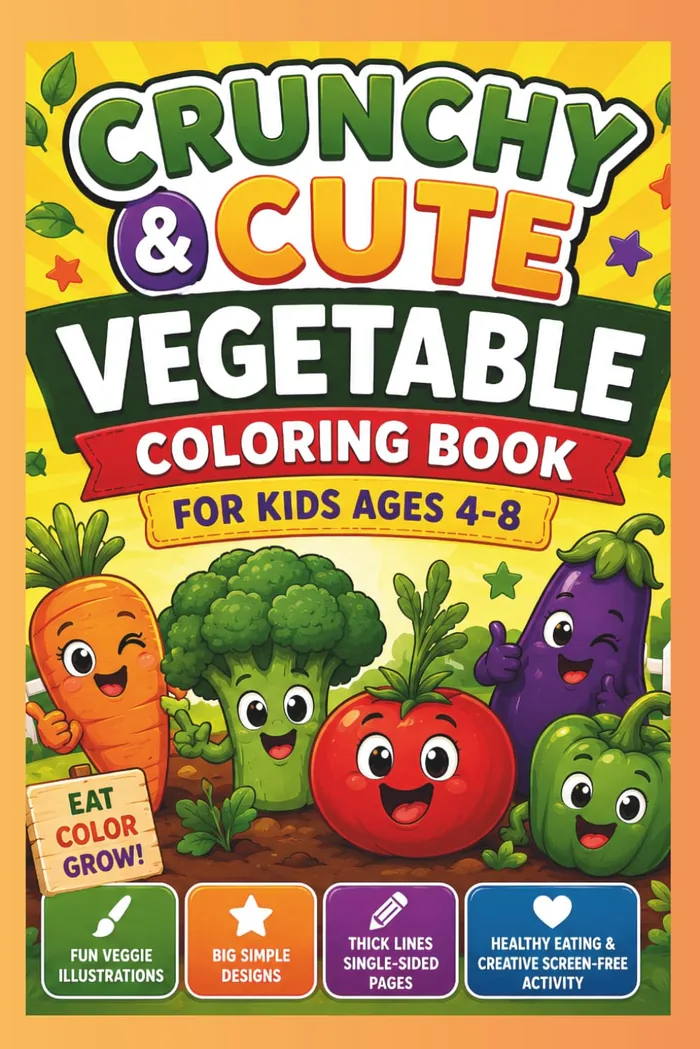
If your child enjoys the free veggie pages, we publish a whole book of them: the Crunchy & Cute Vegetable Coloring Book for Kids Ages 4–8 (paperback, sold on Amazon). It won’t make your child eat broccoli, and nothing honestly can. What it does is give your child lots of relaxed, plate-free time with vegetables: looking at them, naming them, choosing colors and talking about them, which is exactly the kind of low-pressure exposure this guide is about.

📖 What it is (and isn’t)
- Format: paperback, sold and shipped by Amazon.com.
- Price: $9.99 on Amazon.com when we checked on 18 October 2026. Prices can change, so please check the listing.
- Inside (per the listing): 40+ veggie illustrations with thick, simple lines and big designs, plus single-sided pages.
- Size: 72 pages; Amazon’s product details list it at 6 x 9 inches, a handy size for a bag.
- Ages: listed for ages 4–8. Two- and three-year-olds can scribble on the big shapes with you.
- Not a feeding program. It’s a coloring book. For real feeding concerns, see your pediatrician.
How to use it with this plan: pick the page that matches this week’s “tiny new food.” Color the carrot on Monday, put two soft carrot coins on the plate on Tuesday, and let your child compare the real one with their drawing. Or let them color a veggie and then “serve” it to you at a pretend restaurant. Keep it fun and never tie coloring to eating (“you can color if you take a bite”), because that turns it into a bribe.
See the Vegetable Coloring Book on Amazon ($9.99) →
This is our own book, and we earn money if you buy it. Price checked on Amazon.com on 18 October 2026; please confirm on the product page: amazon.com/dp/B0H3NWRR3P. There’s no Payhip PDF edition of this book; the free vegetable pages linked above are a good way to try the style first.
📚 Related books from ColorJoy
If this topic is on your mind, these titles from our own shelf fit well alongside it.

Toddler Parenting Guide: Tantrums, Hitting & Picky Eating (PDF)
Our short PDF guide covers picky eating together with tantrums and hitting, three of the most common toddler struggles.
$3.99 printable PDF on Payhip · Instant PDF download; print at home

Delicious Food Coloring Book for Kids, Teens & Adults
Coloring pizzas, pasta, breakfasts and desserts is a low-pressure way to talk about food away from the table, for older kids and grown-ups too.
$15.99 paperback on Amazon.com · Paperback, shipped by Amazon
These are our own books and printables, and we earn money if you buy them. Prices as listed on Amazon.com and Payhip when we checked on 18 October 2026; prices can change, so please confirm on the product page.
FAQ & final thoughts
Is it normal for a toddler to be a picky eater?
Yes. The AAP says picky eating is often the norm for toddlers, because growth and appetite slow after infancy and toddlers develop strong, changing food preferences. The CDC notes many picky behaviors go away by about age 5.
How many times should I offer a new food to my toddler?
Many times. The CDC says it may take 8 to 10 exposures; the AAP says 10 or more, and an AAP pediatrician-dietitian says 15 to 20 tries. Offer small amounts, and wait about a week or two between tries.
Should I make my toddler eat their vegetables?
No. The AAP advises against pressuring or punishing children over food, because it can make them dislike foods they’d otherwise accept. Offer the food, include a safe food, and let your child decide whether and how much to eat.
What should I do if my toddler refuses dinner?
Stay calm, don’t cook a separate meal, and let them leave the table when they’re done. Offer the next planned snack or meal at its usual time. Healthy toddlers usually balance their intake over a few days.
What are good meals for a picky eater toddler?
Meals that pair a familiar food with a tiny new one: pasta with a few soft peas, mac and cheese with small broccoli trees and cheese, quesadillas with mashed beans, or DIY mini pizzas with soft toppings. Use dips and food bridges, and cut foods to avoid choking hazards.
Can coloring books help a picky eater?
They’re not a treatment, but they can help with familiarity. A 2014 study found toddlers ate more of an unfamiliar vegetable they had seen in a picture book. Coloring wasn’t tested, but it offers similar relaxed time with vegetables, away from the plate.
When is picky eating a problem?
Talk to your pediatrician if your child is losing weight or not growing well, accepts very few foods, gags or vomits at certain foods, coughs or chokes when eating, or meals are extremely stressful. Your pediatrician can check for medical causes and refer you for feeding help.
● Final thoughts
Feeding a picky eater toddler is a marathon, not a sprint. Keep your job (what, when, where) and let your child keep theirs (whether and how much). Put a safe food on every plate, offer tiny bites of new foods again and again, and let vegetables show up in fun places too: the grocery cart, the mixing bowl, the coloring page. One ordinary Tuesday, your toddler may reach for a carrot all on their own, and you’ll know all those calm, patient dinners counted.