Free printable • Ages 2–5 • Early math
Counting Activities for Preschoolers: 30 Fun, Hands-On Ideas (+ Free Printable Counting Pack)
Your preschooler can rattle off “one, two, three, four, five, six…” all the way to ten. But ask “how many crackers are on your plate?” and they count the same cracker twice, skip one, and proudly announce “eleven!” That is completely normal. Saying numbers and really counting are two different skills, and the best way to build the second one is play, not worksheets. Here are 30 hands-on counting activities for preschoolers that use things you already have, an age-by-age guide, a one-week plan and a free 5-page printable counting pack.
🌟 By the end of this page you’ll have…
- 30 counting activities for preschoolers, sorted into everyday, hands-on, movement and game ideas
- the four counting skills that matter (and why “counting to 10” is only the start)
- an age-by-age guide to what 2-, 3-, 4- and 5-year-olds can usually do
- easy fixes for the most common counting mistakes
- a free 5-page printable: count-and-circle, number cards 1–10, ten-frame mats, a counting treasure hunt and count-and-clip cards
🎨 New here? Hi, we’re ColorJoy
ColorJoy makes bold, easy coloring books and printables for little hands, plus practical guides for real family life. Our approach to early learning is simple: short, playful and woven into your day. If you are working on letters too, see our guide on how to teach letter sounds to preschoolers.
Real-life moments
Sound familiar?
If you are teaching a preschooler to count, you may have seen one of these.
The speed counter
Your child points at the toy cars while saying numbers, but the pointing and the numbers don’t match. Three cars somehow become seven.
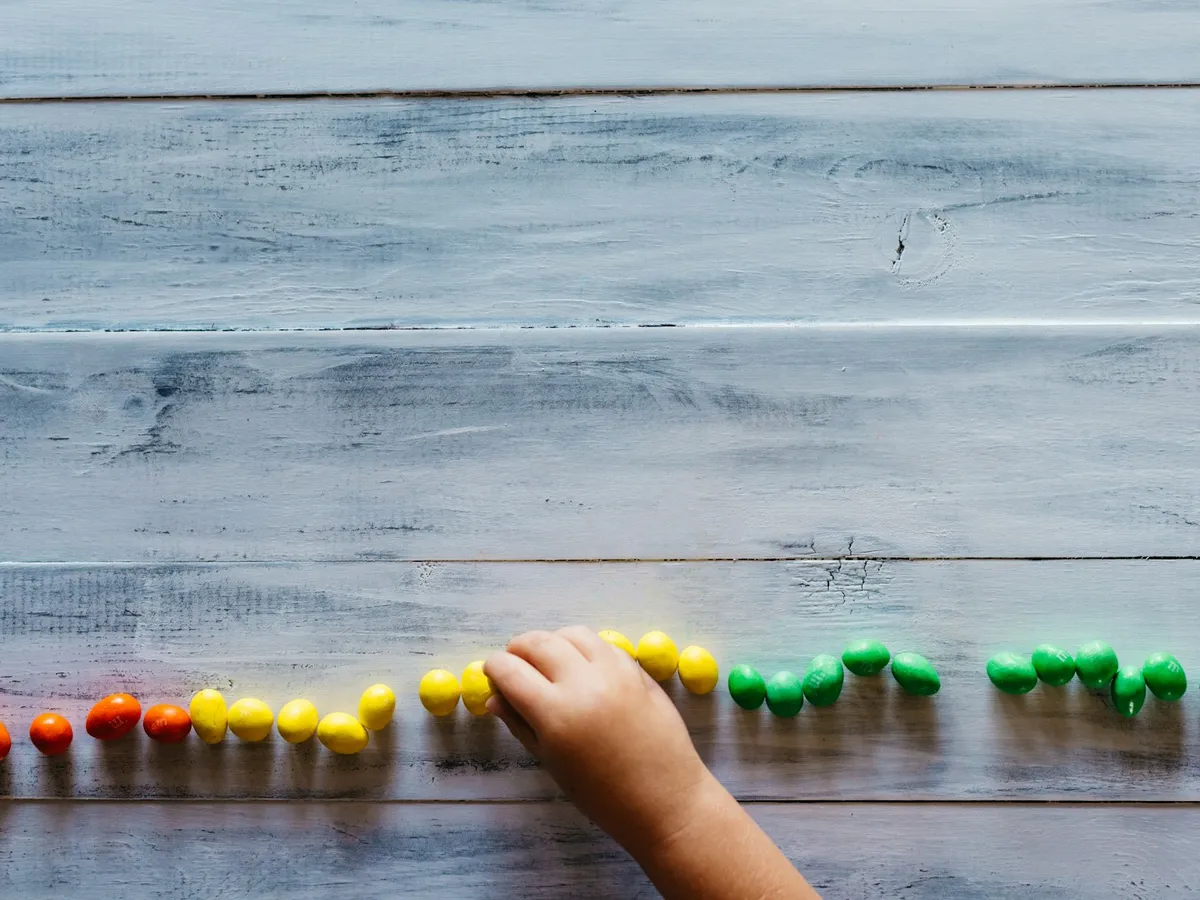
Try this: slow down and move each object as you count it: pick it up, say the number, put it in a bowl. One touch, one number.
The number that always disappears
“…five, six, eight, nine, ten!” Seven has been missing for weeks.
Try this: sing a counting song and count stairs every day. Number order comes from hearing and saying it many, many times.
The worksheet standoff
You bought a math workbook. Your 3-year-old broke the crayon, cried and slid under the table.
Try this: put the worksheet away for now and count real things: snacks, socks, jumps. Paper practice works better a little later, and for short bursts.
The basics
The 4 counting skills preschoolers are learning
“Can she count?” sounds like a yes-or-no question, but counting is really a bundle of skills that grow over the preschool years. Knowing them helps you choose the right activity:
| Skill | What it means | What it looks like | Try |
|---|---|---|---|
| Number words in order | Saying “one, two, three…” in the right order (rote counting) | “1, 2, 3, 4, 5!” on the stairs | Songs, rhymes, counting stairs |
| One-to-one counting | Matching exactly one number word to each object | Touching each block once as they count | Moving objects into a bowl as you count |
| “How many?” (cardinality) | Knowing the last number counted tells how many there are | “1, 2, 3… three apples!” | Ask “how many?” after counting; repeat the last number |
| Seeing small amounts | Recognizing 1, 2 or 3 things at a glance without counting | Seeing the dots on a die and knowing “three” | Dice games, dot cards, fingers |
💡 The magic question
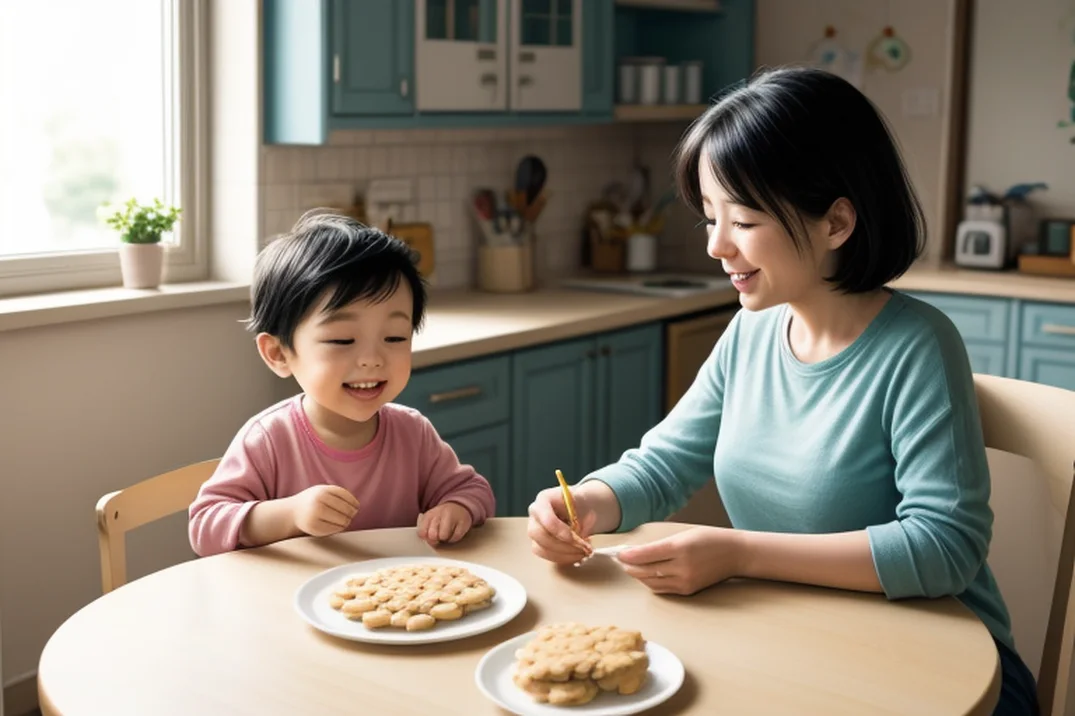
After your child counts a group, ask “So how many are there?” If they start counting again from one, model it: “One, two, three, four. Four crackers!” Saying the last number twice helps the “how many” idea click.
Age guide
Counting by age: what to expect from 2 to 5
Children learn numbers at very different speeds, so think of this as a rough map, not a test. The CDC’s milestone pages give helpful clues about what most children do and simple ways to help:
| Age | What many children can do | Best activities | From the CDC |
|---|---|---|---|
| 2 years | Says some number words, may “count” with random numbers, understands “one” and “more” | Counting songs, “one more?”, counting body parts | Suggests simple puzzles and naming each piece (milestones by 2) |
| 3 years | Counts out loud to around 5 or more, starts touching objects while counting small groups | Counting stairs, snacks and toys; finger plays | “Play counting games. Count body parts, stairs, and other things” (milestones by 3) |
| 4 years | Counts small groups more accurately, answers “how many?” for small sets, compares “more” and “less” | Ten-frames, dice games, counting hunts | “Count simple things, such as fingers, toys, or bananas” (milestones by 4) |
| 5 years | Counts to 10 (often further), names some numbers 1–5 when you point to them | Number cards, board games, count-and-clip | Most children count to 10 and name some numbers between 1 and 5 by 5 years (milestones by 5) |
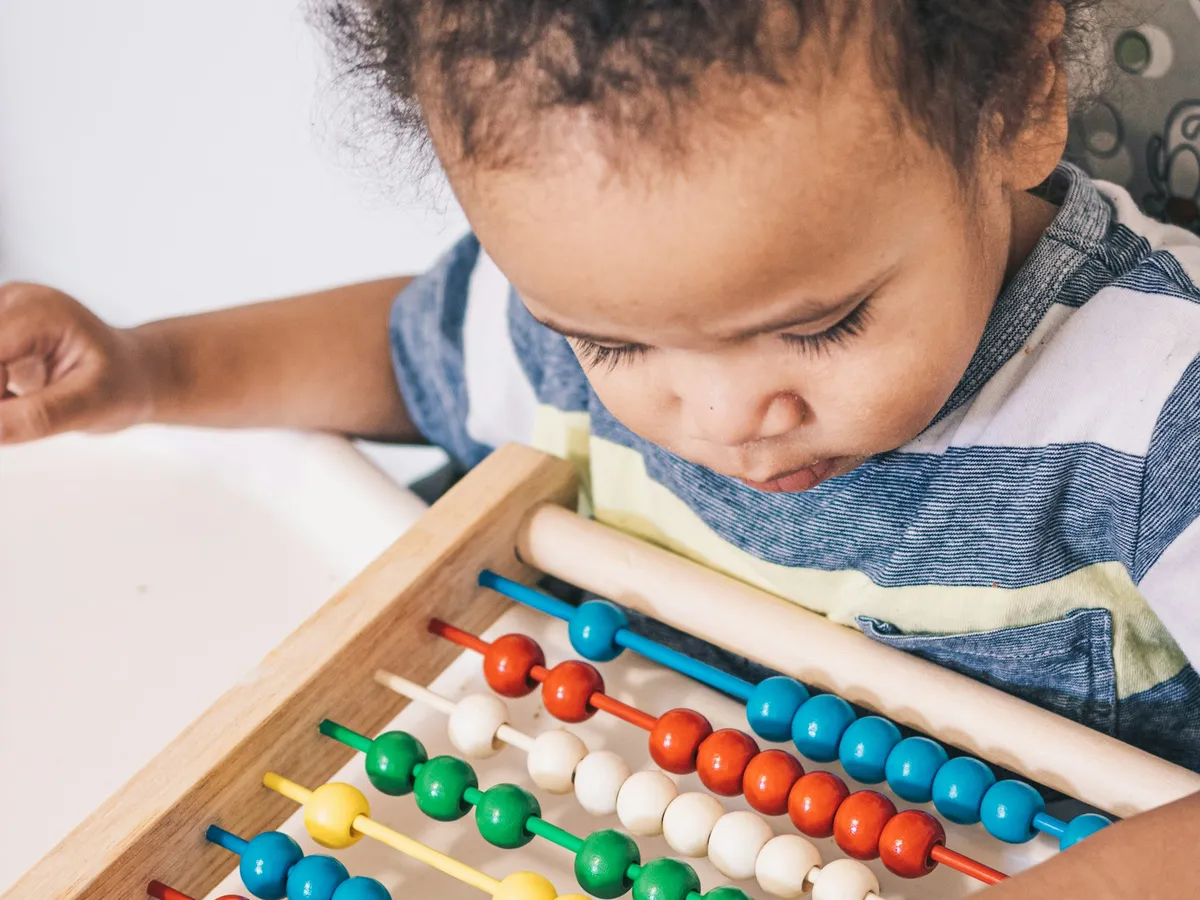
Once your child counts to 12 and knows those numbers, clocks are a fun real-life next step. Our Tick-Tock Time Adventures workbook (listed for ages 4–6, $9.99 on Amazon) is made for exactly that stage.
If you have any concerns about your child’s development, the CDC encourages you to talk with your child’s doctor and ask about developmental screening.
Ideas 1–8
Everyday counting activities (no setup needed)
The easiest counting practice happens in the middle of ordinary life. A few counts a day add up fast.
- Count the stairsCount every step up and down. Whisper on the way down for a fun change. The CDC suggests counting stairs for 3-year-olds.
- Snack counting“Let’s count your crackers.” Move each one as you count, then eat one: “Now how many?”
- Sock matchingMatch pairs from the laundry and count the pairs: a real chore that is also math.
- Setting the tableCount people, then count out that many forks, cups or napkins. One fork for each person is one-to-one counting.
- Grocery helper“Can you put four apples in the bag?” Count them in together.
- Bath toy countLine up the rubber ducks on the tub edge and count them before they swim away.
- Counting in the carCount red cars, buses or dogs on the way to preschool. Stop at 5 for younger kids.
- Bedtime countCount the books, the kisses or the stars on the pajamas. See our toddler bedtime routine for more calm-evening ideas.
Ideas 9–16
Hands-on counting activities (table and floor play)
Touching and moving objects is the best way to learn one-to-one counting. Use big objects for younger children and anyone who still puts things in their mouth.
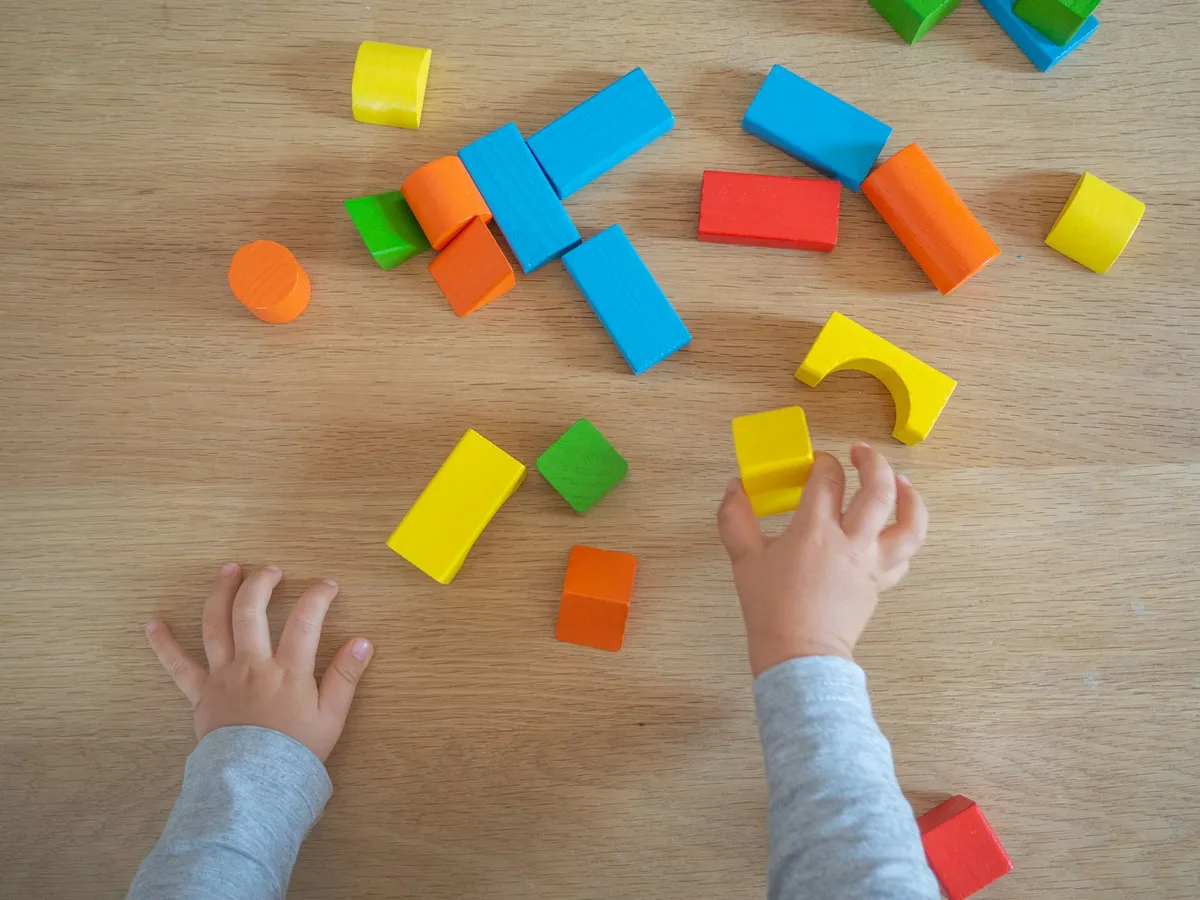
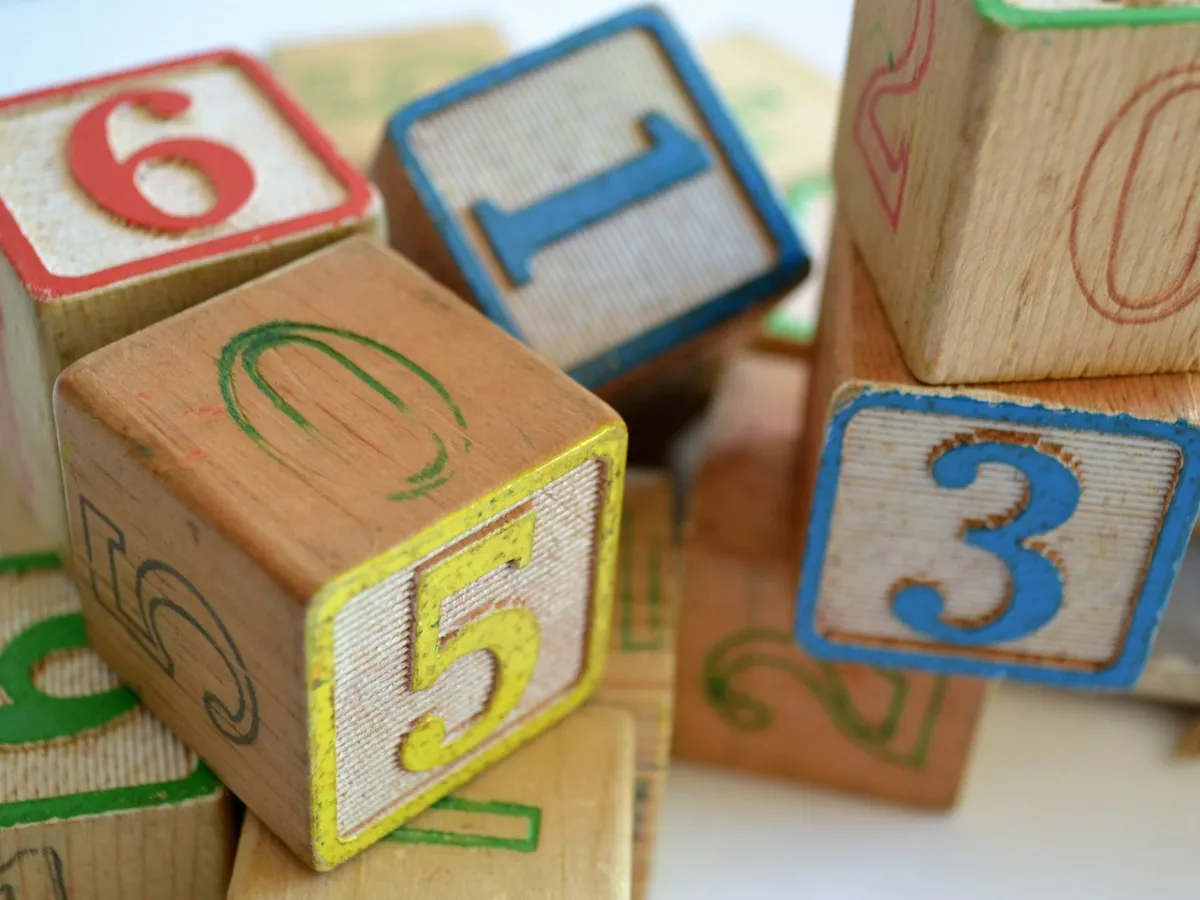
- Block towersRoll a die or draw a number card and build a tower that tall. Count the blocks, then knock it down: “Three, two, one, crash!”
- Muffin-tin sortPut a number in each cup of a muffin tin and fill it with that many pom-poms or big buttons (for kids who no longer mouth things).
- Ten-frame snacksUse the ten-frame mats from our free printable. One cereal piece per box, top row first.
- Playdough birthday cakesMake a playdough cake and push in that many “candles” (straws or sticks). Sing and count.
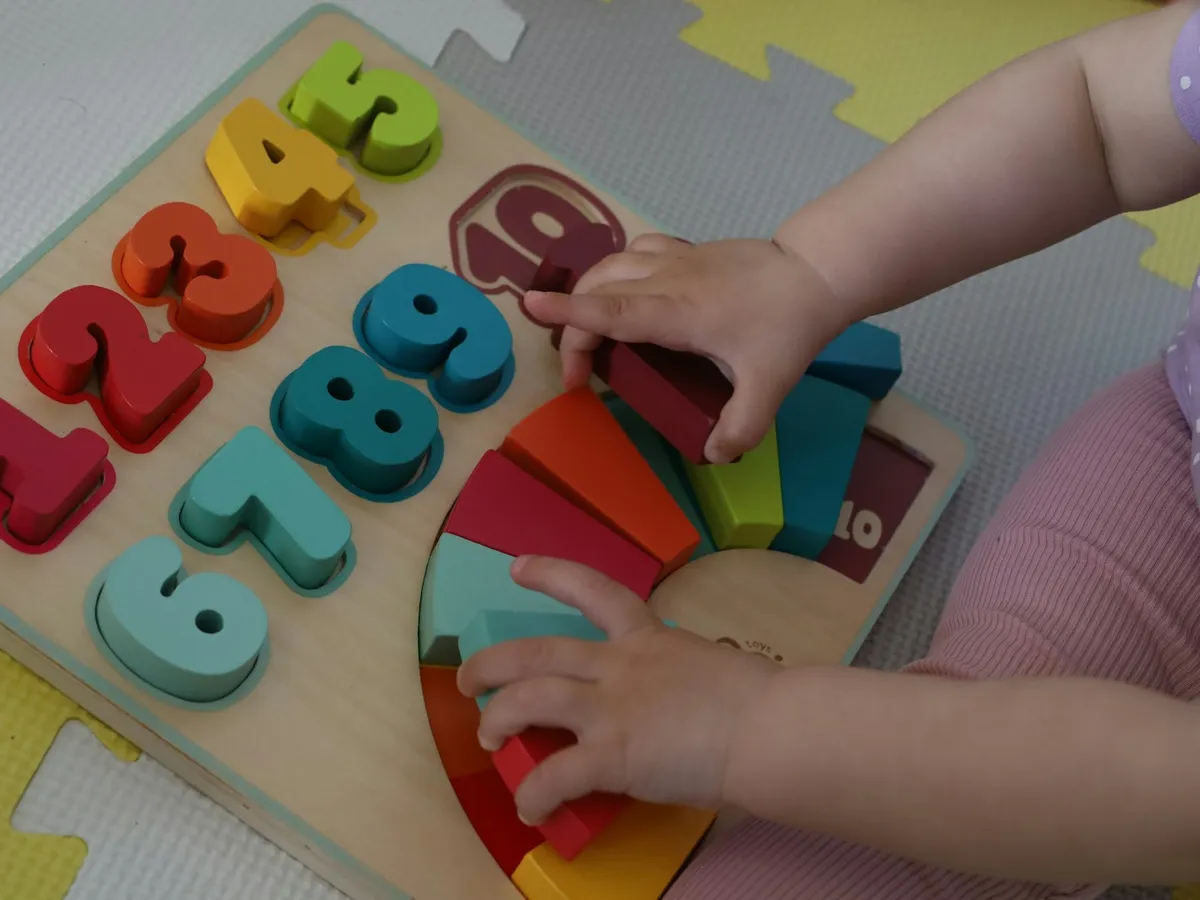
- Number puzzlesWooden number puzzles or number cards with dots help children match the symbol to the amount.
- Count and clipCount the pictures on a card and clip a clothespin on the right number: counting plus hand strength. Cards are in our printable.
- Feed the animalCut a mouth in a box, draw a face, and “feed” it a number of toy balls or socks: “Feed the monster five!”
- Nature collectionCollect leaves, acorns or pinecones on a walk and count them at home. Sort by size and count each pile.
Ready for writing numbers?
Alphabet & Number Tracing Worksheets (Printable PDF)
Number tracing 1–10 plus big and small alphabet tracing, with large kid-friendly fonts. Listed for ages 3–5 and kindergarten prep. $3.99.
See it on Payhip →Our own book; we earn money if you buy it.
Strong hands make counting objects (and later writing numbers) easier. Our fine motor activities for 3-year-olds are a great pairing.
Ideas 17–23
Movement counting activities (for busy bodies)
Some preschoolers learn best when their whole body is moving. These are also great for cold or rainy days indoors.
- Jump and countCall out a number and jump that many times. Try hops, claps or stomps too.
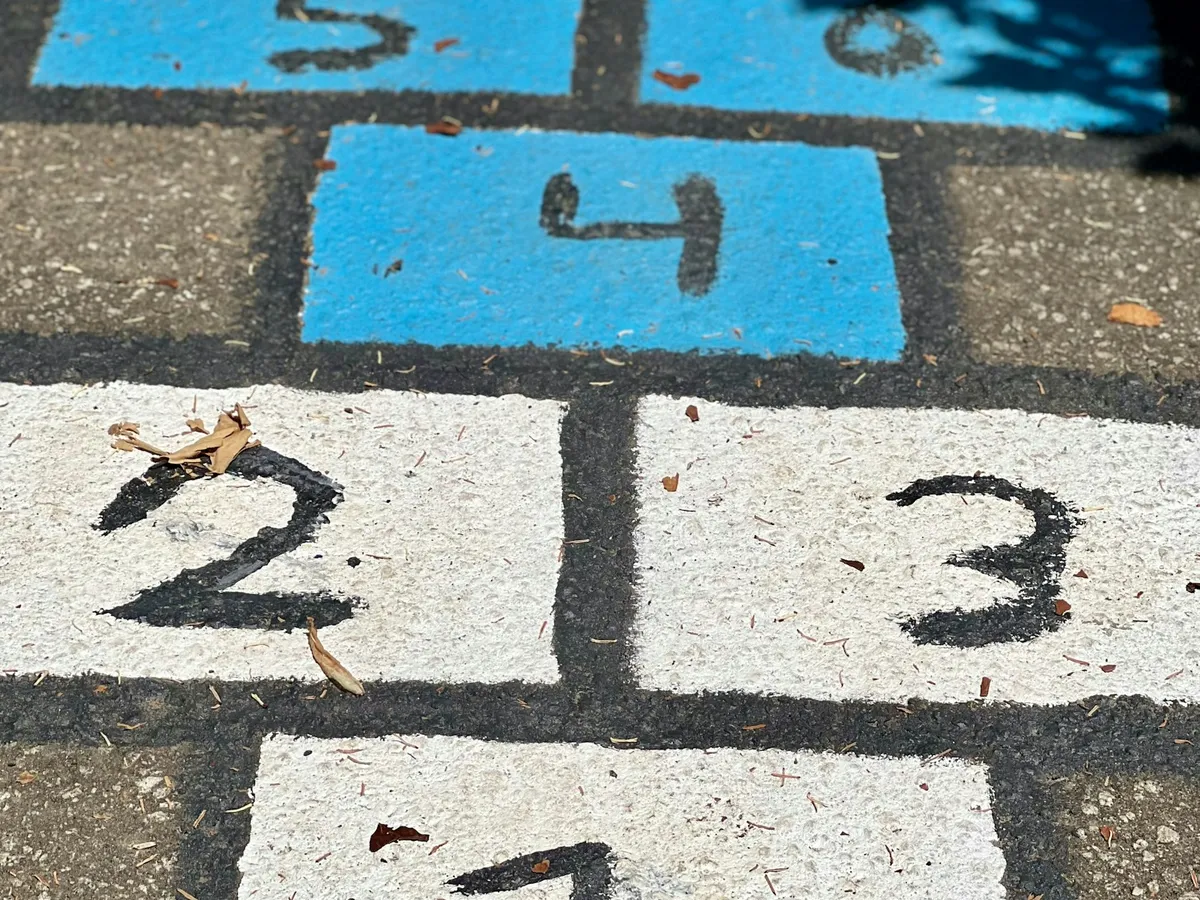
- HopscotchDraw a chalk hopscotch outside or tape one on the floor indoors. Say each number as you land.
- Rocket countdownCrouch down and count backward from 5 (or 10) together, then “blast off!” with a big jump.
- Number huntHide number cards around a room. When your child finds one, they do that many jumping jacks.
- Bean bag tossToss bean bags into a basket and count how many go in. Count again with a bigger step back.
- Follow the leader“Take three giant steps. Now two tiny steps.” Kids love counting their own steps.
- Freeze dance countWhen the music stops, call a number. Everyone freezes and counts to it before moving again.
More active indoor ideas: our indoor gross motor activities for toddlers and indoor activities for 2-year-olds.
Ideas 24–30
Counting games and songs
Games give counting a reason, and songs help number order stick. Many classic family games are secretly math lessons.
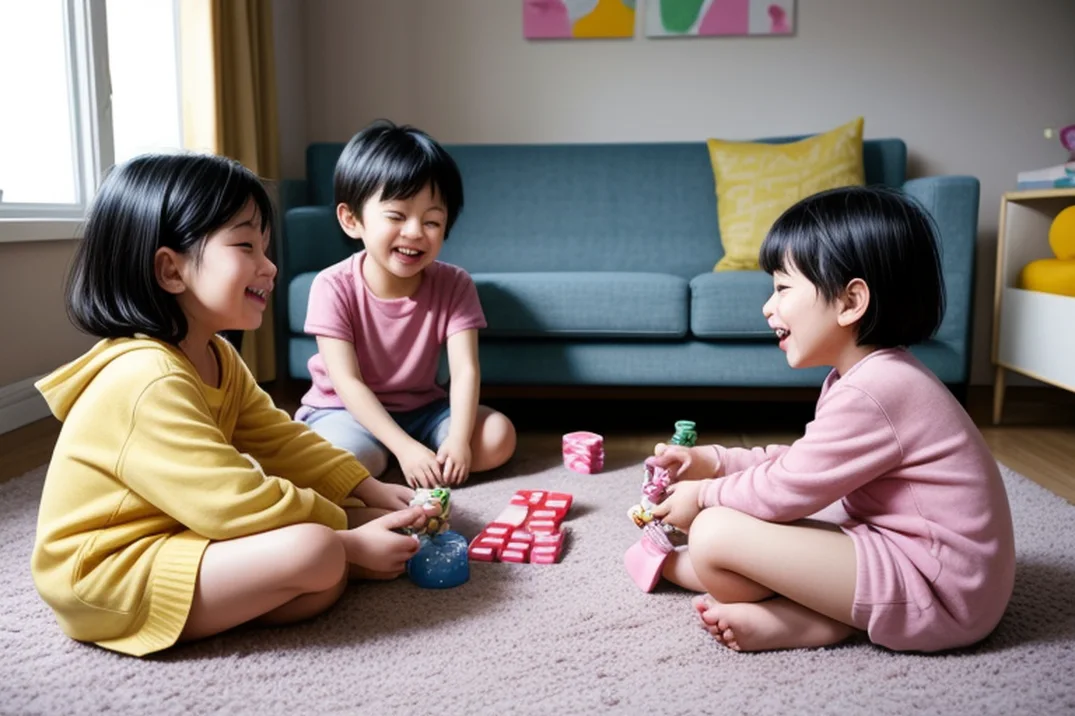
- Simple board gamesGames where you roll a die and move a piece build counting and seeing small amounts on dice. Count each space out loud.
- Dice matchRoll a die and find a number card or a pile of objects that matches.
- Go Fish with number cardsUse regular cards (1–5 or 1–10) to match numbers. The CDC suggests simple card and board games for 5-year-olds.
- “Five Little Monkeys” and finger playsCounting-down songs with fingers build number order and show “one less.”
- Counting in booksCount ducks, apples or balloons on each page of a picture book. The AAP suggests counting pictures and letting your child repeat the numbers after you (HealthyChildren).
- More or less?Make two small piles of toys. “Which has more?” Count to check.
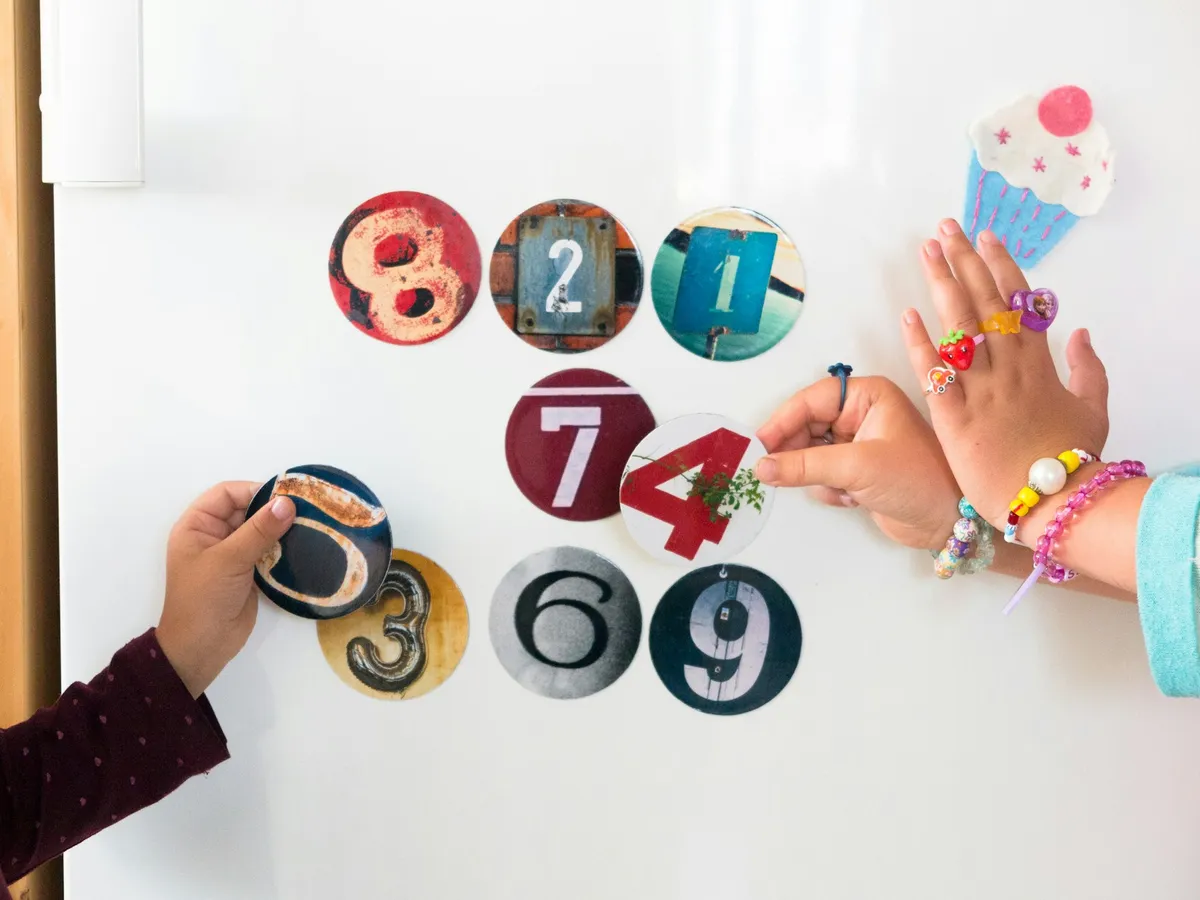
- I spy numbersLook for numbers on doors, clocks, signs and the microwave. Say them out loud together.
Free printable
Free printable: counting activities pack for preschoolers
🎁 Free printable
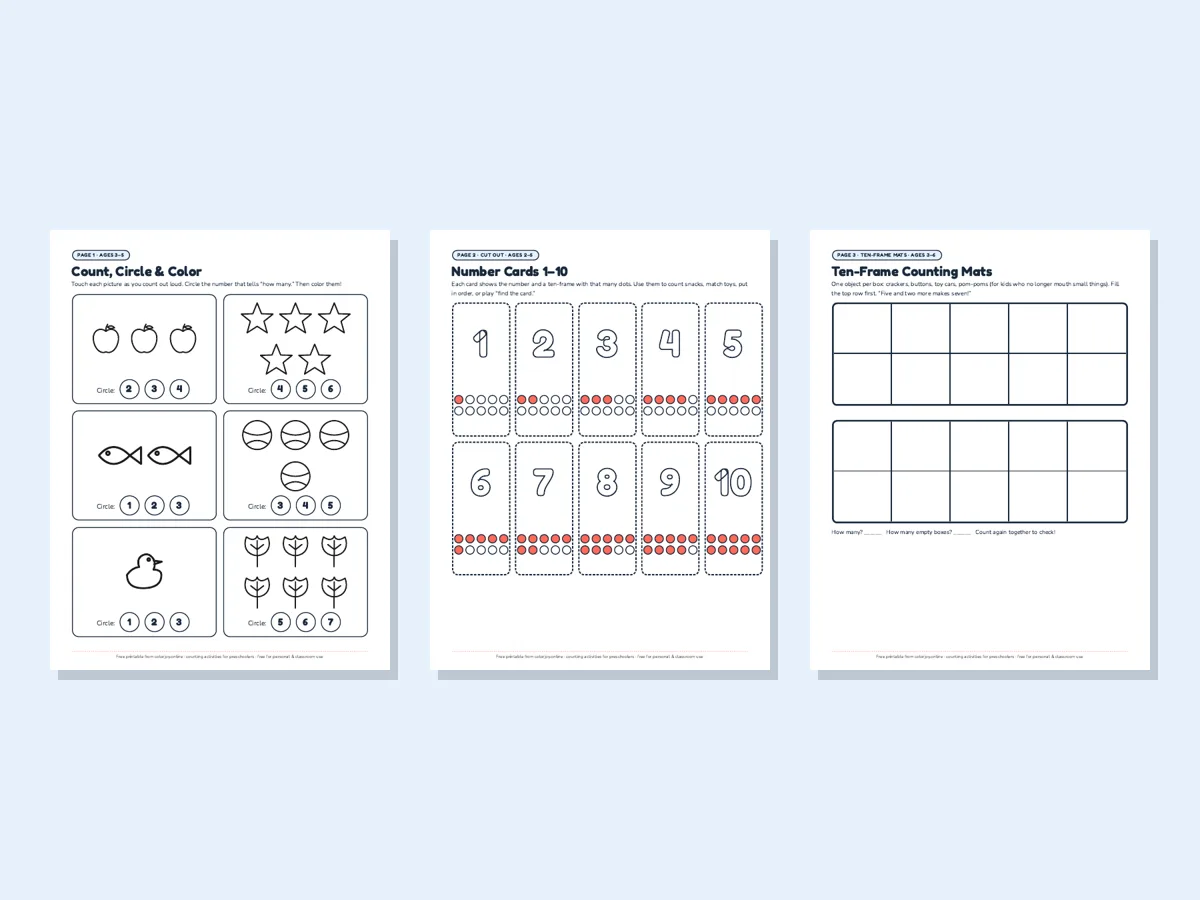
The ColorJoy Counting Activities Pack (5 pages, US Letter)
Page 1: Count, Circle & Color (6 boxes, 1–6). Page 2: number cards 1–10 with ten-frame dots. Page 3: two big ten-frame counting mats. Page 4: a counting treasure hunt around the house (1–10). Page 5: count-and-clip cards for clothespins or stickers.
Download the free counting pack (PDF) →
Free for personal and classroom use. No email or sign-up needed.
How to use the pack by age
| Age | Start with | Then try |
|---|---|---|
| 2–3 | Page 3 (ten-frame mats with big snacks) and page 2 (cards 1–3 only) | Page 1 with a grown-up counting out loud |
| 3–4 | Pages 1 and 2 (cards 1–5) | Page 4 treasure hunt to 5 |
| 4–5 | All of pages 1–4 up to 10 | Page 5 count-and-clip and number-card games |
Tip: slip pages into sheet protectors and use a dry-erase marker so you can reuse them. More free printables live in our activity ideas hub and our printable busy book for 3-year-olds.
How to help
7 tips that make counting stick
- Touch and move. Have your child touch or move each object as they count. Moving counted things to a new pile prevents double-counting.
- Say the last number twice. “One, two, three. Three balls!” It connects counting with “how many.”
- Start small. Master 1 to 3, then 1 to 5, before pushing to 10. Small numbers you can see at a glance build confidence.
- Use fingers. Fingers are always with you. Show “three” on your fingers and count them together.
- Count backward too. Rocket countdowns and “five little…” songs show that numbers go both ways.
- Keep it short. Five to ten minutes is plenty for preschoolers. Stop while it is still fun.
- Make mistakes on purpose. “One, two, four!” Most preschoolers love catching a grown-up’s mistake, and correcting you is great practice.
Troubleshooting
Common counting mistakes (and easy fixes)
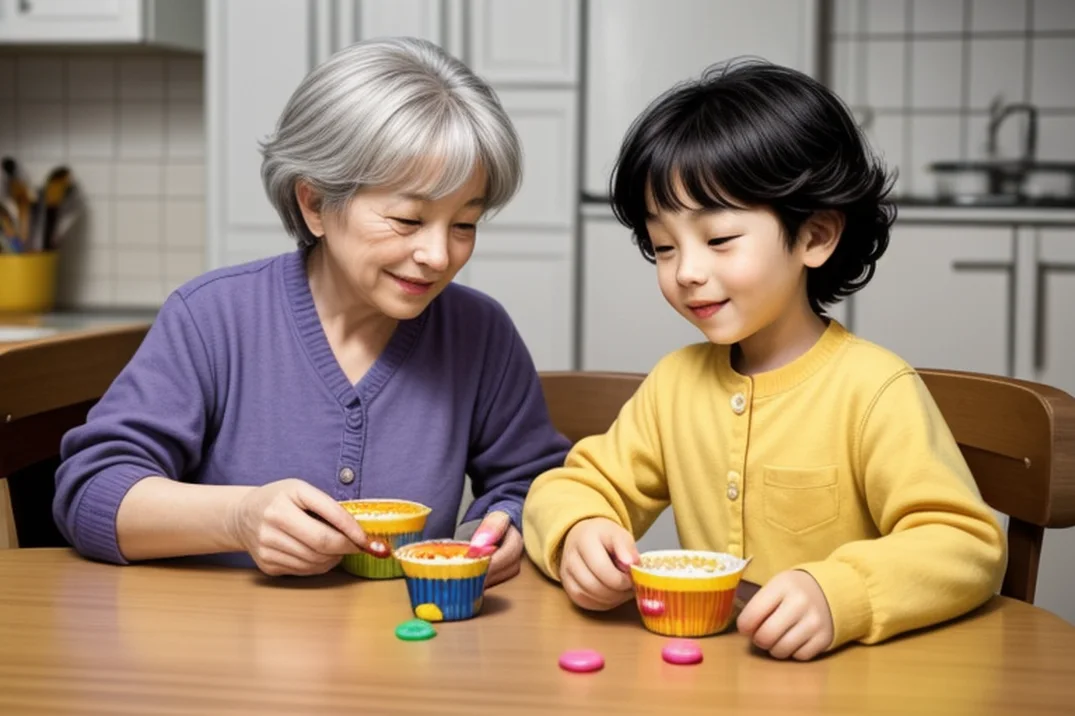
Every one of these is normal in the preschool years. They are signs your child is working things out.
| What you see | What’s going on | Try this |
|---|---|---|
| Counts some objects twice or skips some | One-to-one counting is still developing | Line objects up in a row or move each one into a bowl as you count |
| Counts again from 1 when asked “how many?” | Doesn’t yet know the last number tells the total | Model it: count, then repeat the last number: “Five! There are five.” |
| Skips a number (“…6, 8, 9…”) | Number order is still being memorized | Daily songs, counting stairs and counting books |
| Says numbers faster than they point | Mouth and hands are not yet in sync | Slow, exaggerated counting together; clap once for each number |
| Writes numbers backward (like a backward 3) | Very common while learning to write | Number tracing with big arrows; praise effort, not neatness |
| Gets upset when wrong | Wants to be “big” and right | Make mistakes yourself; keep it playful; stop and try later |
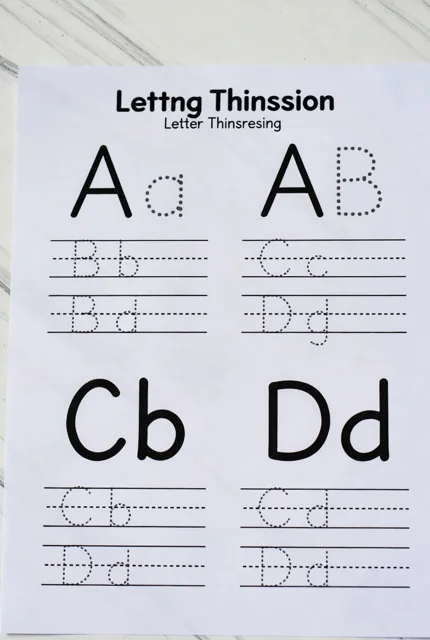
For little pencil beginners
Tracing Worksheets for Kids: Lines, Shapes, ABC & Numbers
Pre-writing lines, shape tracing, alphabet and number tracing in one pack, for toddlers to kindergarten. $3.99.
See it on Payhip →Our own book; we earn money if you buy it.
Your week
A simple one-week counting plan (10 minutes a day)
| Day | Activity | Skill |
|---|---|---|
| Monday | Count stairs and snacks all day (ideas 1–2) | Number order, one-to-one |
| Tuesday | Ten-frame mats with cereal (printable page 3) | “How many?” |
| Wednesday | Jump and count + rocket countdown (ideas 17 and 19) | Number order, counting backward |
| Thursday | Count, Circle & Color (printable page 1) | Counting, number recognition |
| Friday | Counting treasure hunt (printable page 4) | Counting sets to 10 |
| Saturday | Board game or dice match (ideas 24–25) | Seeing small amounts |
| Sunday | Nature collection + count and sort (idea 16) | Counting and comparing |
⚠️ A quick safety note
Beads, buttons, dried beans, small pom-poms and dice can be choking hazards for children under 3 and for older children who still put things in their mouths. The AAP advises keeping small objects away from young children (HealthyChildren: choking prevention). Use big blocks, toy cars or large snacks instead, and always supervise.
Your plan
What to do tonight (about 10 minutes)
You can start counting practice tonight with zero prep.
2 minutes
Count at dinner
Count the forks, cups or peas on the plate. Ask “how many?” after each count.
3 minutes
Print page 3
Print the ten-frame mat and fill it with ten small snacks, one per box.
3 minutes
Stair count
Count every stair on the way to bath, then whisper-count on the way down.
2 minutes
Bedtime countdown
Count down from 5 for lights out: “Five, four, three, two, one… goodnight!”
💛 Be kind to yourself
That’s it. A few happy counts every day will do more than any long lesson.
From the ColorJoy shelf
Our book pick for next steps: Tick-Tock Time Adventures
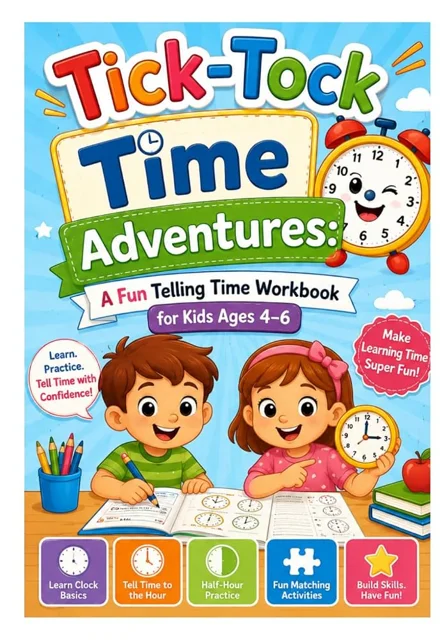
Our pick when counting to 12 feels easy
Tick-Tock Time Adventures: A Fun Telling Time Workbook for Kids Ages 4–6
An easy clock learning activity book for preschool and kindergarten: hours, half hours, time matching and more. Paperback.
$9.99paperback · ships from Amazon
Our own book; we earn money if you buy it. Price as listed on Amazon.com when we checked on 26 October 2026; please confirm on the product page.
Why it’s our pick: reading a clock is one of the first places children use counting and number recognition in real life. To be clear about fit, this is a telling-time workbook listed for ages 4 to 6, not a first counting book. It works best once your child can count to 12 and recognize those numbers. For younger preschoolers who are still learning to count, start with the free pack above or our number tracing pages, and save this one for the next step. Our guide on how to teach kids to tell time shows how to begin.
Writing numbers next? Try our Alphabet & Number Tracing Worksheets on Payhip ($3.99). Browse all our books in the Mr A G author store on Amazon, or get the Kids Printable Mega Bundle on Payhip ($14.99; coloring, tracing and flashcard PDFs). Our full Payhip store is at payhip.com/BookBonbon.
📚 Related books from ColorJoy
If this topic is on your mind, these titles from our own shelf fit well alongside it.
Preschool Coloring & Activity Bundle (printable PDF)
Seven activity types in one printable pack, including color matching and cut-and-paste, for toddlers to kindergarten.
$8.99 printable PDF on Payhip · Instant PDF download; print at home
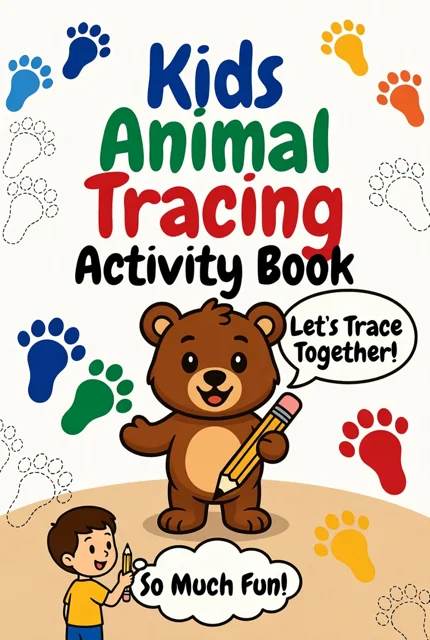
Animal Tracing Worksheets (printable PDF)
40 animal tracing pages for ages 3–7: pre-writing practice that pairs nicely with counting.
$4.99 printable PDF on Payhip · Instant PDF download; print at home

Phonics Practice Workbook (Ages 4–6)
A phonics practice workbook for ages 4–6, for when you want to balance numbers with letter sounds.
$12.99 paperback on Amazon.com · Paperback, shipped by Amazon
These are our own books and printables, and we earn money if you buy them. Prices as listed on Amazon.com and Payhip when we checked on 5 November 2026; prices can change, so please confirm on the product page.
Frequently asked questions
What are good counting activities for preschoolers?
The best counting activities are hands-on and short: counting stairs, snacks and toys, building block towers to a number, ten-frame mats, counting treasure hunts, jump-and-count games, dice and simple board games, and counting songs and books.
At what age should a child count to 10?
The CDC lists counting to 10 as something most children do by 5 years, along with naming some numbers between 1 and 5 when you point to them. Many children count to 10 earlier, and every child develops at their own pace.
How do I teach my 3-year-old to count?
Count real things every day, slowly, touching or moving each object as you say the number. Start with 1 to 3 or 1 to 5, sing counting songs, count stairs and body parts, and ask “how many?” after you count. The CDC suggests counting games for 3-year-olds.
What is the difference between rote counting and real counting?
Rote counting is saying number words in order, like reciting a song. Real (rational) counting means matching one number to each object and understanding that the last number tells how many there are. Rote counting usually comes first.
Are worksheets good for teaching preschoolers to count?
Short, playful printables can help, especially for 4- and 5-year-olds, but most counting is best learned with real objects first. Keep paper practice to a few minutes and stop if your child gets frustrated.
What if my preschooler keeps skipping numbers?
Skipping a number is very common while children memorize number order. Practice daily with songs, counting stairs and counting books, and count slowly together. If you have broader concerns about development, talk with your child’s doctor.
Happy counting 🔢
ColorJoy makes bold, easy coloring books and printables for little hands, plus practical guides for real family life. We add new learning guides and free printables every week, so come back for more.
Ready for the next step after counting? Our pick is Tick-Tock Time Adventures, a telling-time workbook for ages 4 to 6.
See Tick-Tock Time Adventures on Amazon →
More early-learning guides: how to teach letter sounds, fine motor activities for 3-year-olds and how to teach kids to tell time.
Photos: Unsplash (Unsplash License). Illustrations: AI-generated for ColorJoy. Book images and printable art: ColorJoy / Mr A G. This guide is general information for families; supervise young children with small objects.