Gentle parenting • Ages 1–4 • Free printable
How to Help a Shy Toddler: Gentle Ways to Build Confidence at Family Gatherings, Playdates and Beyond (+ Free Warm-Up Kit)
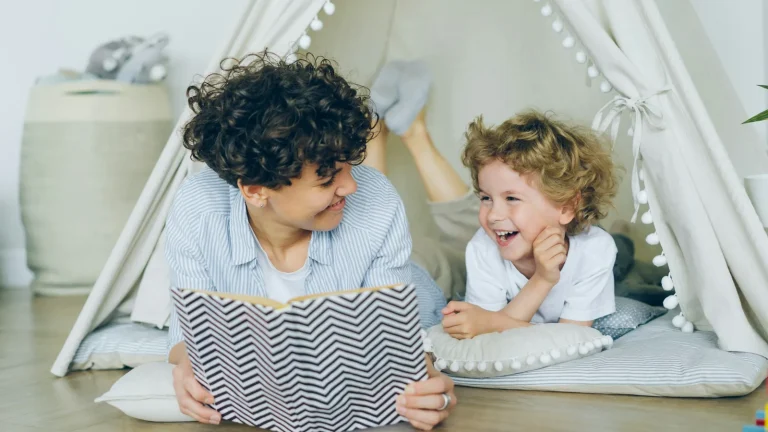
The doorbell rings, Grandma opens her arms for a big hug, and your toddler buries her face in your legs. Or every other child runs to the bounce house while yours watches from your lap for 40 minutes. If your little one is shy, you may feel embarrassed, worried, or pressured by well-meaning relatives. Here is what shyness really is at this age, what helps (and what backfires), a step-by-step plan for the holidays and new places, and a free printable warm-up kit.

🌟 By the end of this page you’ll have…
- what shyness and a “slow-to-warm-up” temperament look like in toddlers, from experts at ZERO TO THREE and the AAP
- why “Don’t be shy!” and forced hugs usually make things harder, plus 12 phrases to use instead
- a 7-step plan for family gatherings, parties and the holidays
- how to gently build confidence at playdates, the library and new classes
- the difference between shyness and signs worth checking with your pediatrician
- a free 4-page printable: a “who we will see” photo page, brave-steps ladder, feelings faces and a note you can share with relatives
🎨 New here? Hi, we’re ColorJoy
ColorJoy makes bold, easy coloring books and printables for little hands, plus practical guides for real family life. Our promise for this guide: no pushing and no labels, just small, gentle steps that respect who your child is. If big gatherings also leave your child frazzled, our guide to the overstimulated toddler is a good companion.
Real-life moments
Sound familiar?
If you have a shy toddler, you have probably lived one of these moments.
The doorway freeze
Thanksgiving. Aunt Linda swoops in for a hug and a cheek pinch. Your 2-year-old screams, then clings to you for the next hour while everyone says, “She’s so shy!”
Try this: greet relatives yourself first, let your child watch from your arms, and offer a wave or high five instead of a hug.
The sideline watcher
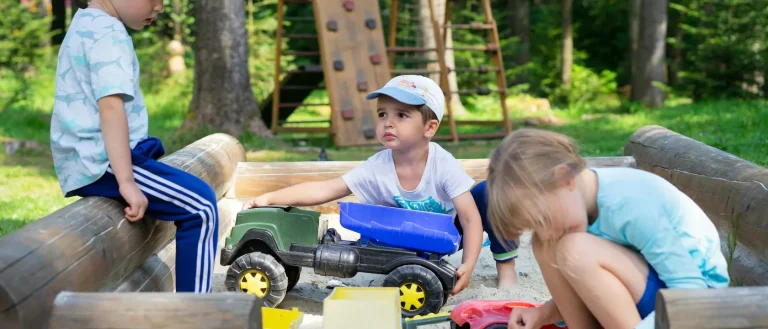
At a birthday party, the other kids dive into the games. Yours stands next to you, watching every move, and refuses to join.
Try this: watching is how cautious kids learn. Stay close, narrate what you see, and let them join when they are ready, even if it is near the end.
The chatterbox at home
At home he talks nonstop, sings and tells you stories. At daycare drop-off he goes silent, and the teacher says he barely speaks.
Try this: this is common in slow-to-warm-up children. Share what he loves with the teacher and give him time. If silence lasts a long time in one setting, see the “when to check in” section.
Understanding shyness
What shyness really is (and why it isn’t a problem to fix)
Shyness in toddlers is usually part of their temperament: the inborn way a child approaches the world. Child development experts at ZERO TO THREE explain that many children are shy or “slow to warm up,” meaning they are uneasy or cautious in new situations or with unfamiliar people. As toddlers, they often stay on the sidelines, watching, until they feel comfortable enough to join in (ZERO TO THREE).
The American Academy of Pediatrics describes the slow-to-warm-up child in a similar way: they adapt slowly to unfamiliar surroundings and people, tend to withdraw when first meeting new people, and typically become more accepting once things become familiar (HealthyChildren.org, AAP).
💚 The part nobody tells you
ZERO TO THREE points out that temperament is not something your child chooses, and not something you created. There is no right or wrong temperament. Shy children are often careful observers who learn a lot from what they see and think things through before they act, which is an important skill (ZERO TO THREE). Your goal is not to turn your child into an extrovert. It is to help them feel safe enough to join in, in their own time.
It also helps to know that toddlers look to us for clues. One of the CDC’s milestones for 2-year-olds is that most children look at your face to see how to react in a new situation (CDC, milestones by 2 years). Your calm, warm face at the door really does matter.

By age
What a shy or slow-to-warm-up toddler looks like, by age
Every child is different, and a child can be chatty with grandparents they know well and quiet at a party (ZERO TO THREE). Here is what you might see.
| Age | What you might see | What helps most |
|---|---|---|
| 12–18 months | Clings or cries when a new person comes close; only wants a few trusted people to hold them | Stay close, let them watch from your arms, let new people approach slowly |
| 18–36 months | Sticks close to you at story time or parties; needs time in a new place before playing; rarely talks to people they don’t know; may be overwhelmed by busy places (ZERO TO THREE) | Arrive early, give warm-up time, play next to them, keep groups small |
| 3 years | May watch for a while before joining other children; quiet at first, then chatty once comfortable | Practice with one friend at a time; role-play new situations at home |
| 4 years | Better at saying how they feel; may prefer one or two close friends to big groups | Help them get ready for new places with stories and pretend play (a CDC tip for 4-year-olds) |
Sources: ZERO TO THREE, CDC, 3 years, CDC, 4 years.


What to avoid
What usually backfires (even with the best intentions)
Almost every parent of a shy toddler has done some of these. They come from love and a wish for our child to be happy. But they can make a cautious child feel more pressure, so it helps to know the alternatives.
| What we often do | Why it can backfire | Try instead |
|---|---|---|
| Say “Don’t be shy!” | It tells your child that how they feel is wrong, and gives them a label they may start to believe | “You like to watch first. That’s okay.” |
| Push for hugs and kisses | Being grabbed by a near-stranger feels scary to a cautious child, and they learn that their “no” doesn’t count | Offer choices: “Hug, high five, wave, or blow a kiss?” |
| Leave quickly so they “get used to it” | Sneaking away can make separation harder and break their trust | Say a short, warm goodbye and tell them when you’ll be back |
| Apologize: “Sorry, she’s just shy” | Your child hears every word | “She takes a few minutes to warm up. She’ll join us soon.” |
| Avoid all new situations | Staying home feels easier, but your child misses chances to practice | Choose small, manageable steps and stay with them |
💡 About hugs and relatives
Giving your child a choice about how to greet people is not rude. It teaches them they have a say over their body, and most relatives are happy with a wave or a high five once you explain. The free printable includes a short, kind note you can share with family before a big gathering.

The words
12 things to say to a shy toddler (instead of “Don’t be shy”)
Words matter, especially to a child who is listening closely to how adults describe them. These phrases support your child without pushing.
- “You like to watch first. That’s okay.”Describes what is happening without a label.
- “I’m right here. You can come when you’re ready.”Gives them a safe base and no deadline.
- “Let’s watch together. Look, they’re building a tower.”Narrating helps them understand the game before joining.
- “Do you want to wave, high five, or just smile?”Gives control and a small, doable step.
- “Grandpa has a dog. Remember the picture?”Connects a new person to something familiar.
- “Can you show Auntie your truck?”Objects are an easier bridge than talking.
- “You were nervous, and you still waved. That was brave.”Praises effort, not being outgoing.
- “It’s noisy in here. Let’s take a break in the quiet room.”Names the environment and offers a reset.
- “She’s getting comfortable. She’ll join in soon.”What to say to others, in front of your child.
- “Some people like to jump in, some like to watch. Both are okay.”Normalizes different temperaments.
- “Tomorrow we’re going to Maya’s house. There will be her mom and her cat.”Previewing reduces surprise.
- “You did it your way today.”Celebrates progress at their pace.

For the other big toddler moments
Toddler Parenting Guide: Tantrums, Hitting & Picky Eating (PDF)
A short, practical PDF for real-life toddler challenges: tantrums without yelling, hitting and pushing, food battles and making school feel safe. Instant download on Payhip, $3.99.
Get the toddler guide on Payhip ($3.99) →Our own book; we earn money if you buy it.
The plan
The family gathering game plan: 7 steps for the holidays
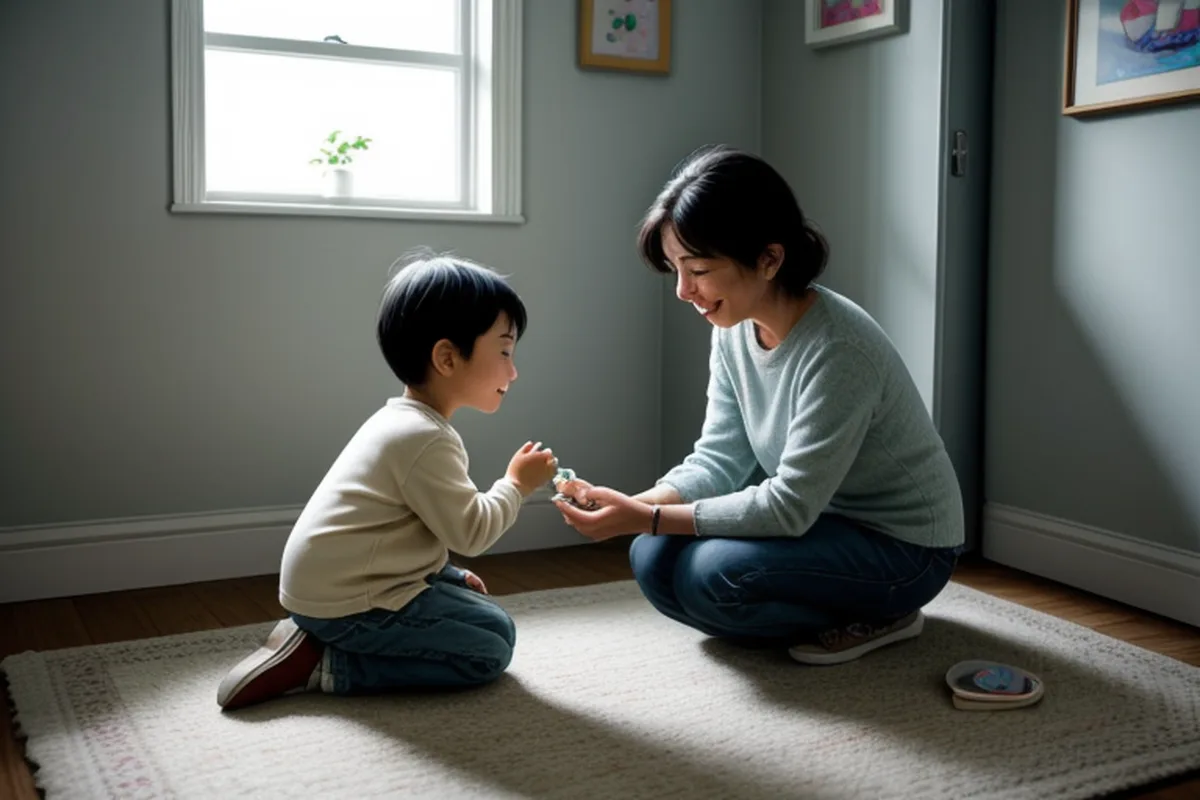
Thanksgiving, Christmas, birthdays and big family weekends are some of the hardest moments for shy toddlers: lots of people, noise, new places and adults who want attention. A little planning makes a big difference.
- Preview the people. A few days before, look at photos of who will be there and tell a small story about each: “This is Uncle Sam. He has a red truck.” Our printable has a page for this.
- Arrive early. It is easier for a cautious child to be in the room first while people arrive one at a time than to walk into a full, loud room.
- Bring a familiar “bridge” object. A favorite toy, book or coloring pad gives your child something to hold and something to show.
- Greet adults yourself first. Let your child watch you being relaxed and happy with these people, while they stay in your arms or at your side.
- Coach the grown-ups kindly. Ask relatives to say hi to you first, get down to your child’s level, offer a toy instead of a hug, and let your child come to them. The free printable has a ready-made note.
- Find a quiet corner. Pick a calmer room for breaks. A few minutes with a book or a coloring page can reset your child. See our ideas for a calm-down corner.
- Celebrate small steps afterward. At bedtime, talk about one brave thing they did: “You gave Grandma a high five!”
🦃 At the table
Seat your child next to you and the most familiar relative, not between two new people. A simple activity at the kids’ table, like coloring placemats, gives shy kids something to do with their hands. Find ideas in our kids table Thanksgiving ideas and our free Thanksgiving placemats.

Everyday confidence
Building confidence every day (without pushing)
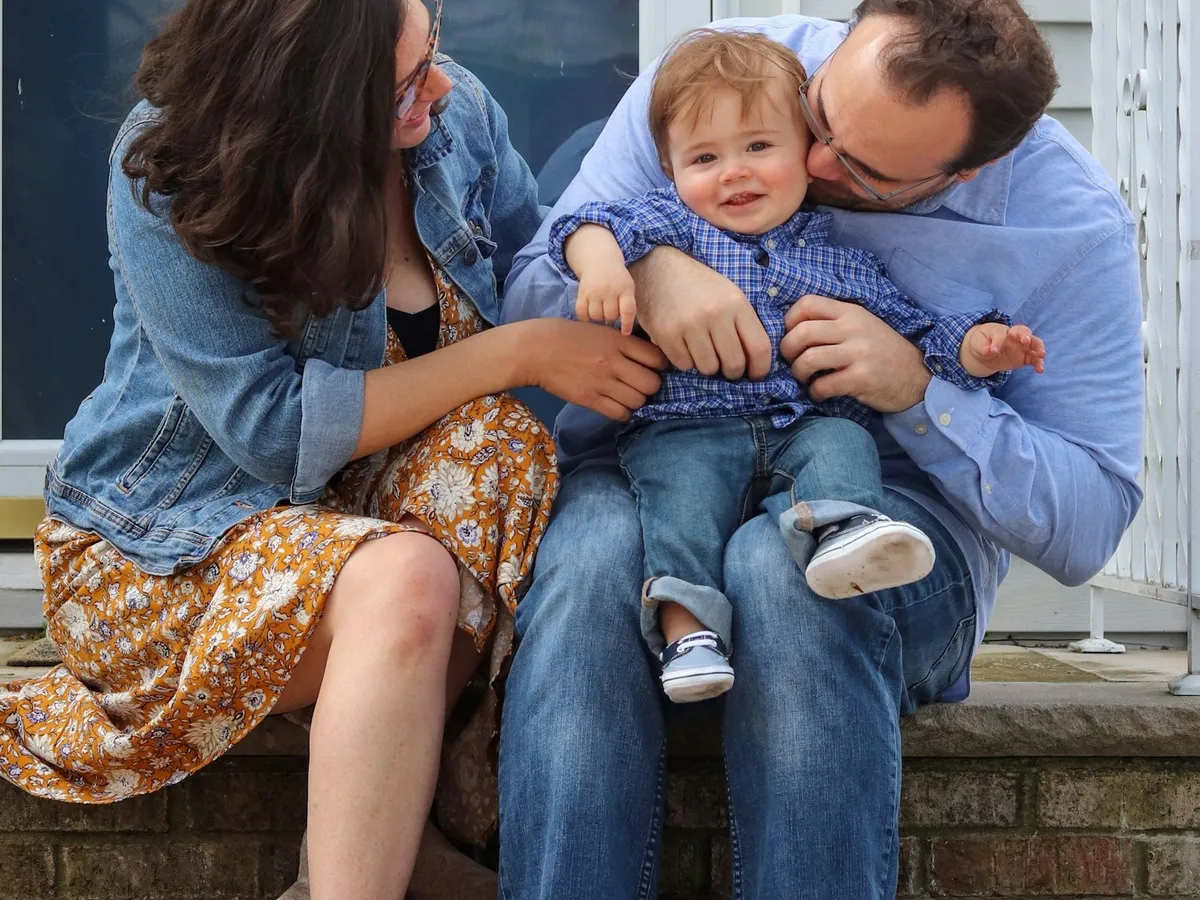
Confidence for a shy child grows from many small, successful experiences. Here are everyday ways to build it.
- Small groups first. One playdate with one child is easier than a big class. ZERO TO THREE notes that shy children often prefer playing with one or two close friends (ZERO TO THREE).
- Same place, same time. Going to the same library story time every week lets the room and the people become familiar.
- Role-play at home. Use stuffed animals to act out going to a party or meeting a new babysitter. The CDC suggests reading stories or pretend play to help 4-year-olds get ready for new places and people (CDC).
- Practice with low-stakes people. Let your child hand the money to the cashier or say “bye” to the librarian, with you right there.
- Keep routines steady. Cautious kids find routines comforting; they help them feel in control (ZERO TO THREE).
- Share their strengths. Tell teachers and caregivers what your child loves, so they have an easy way to connect.
- Model being brave. Say out loud, “I feel a bit nervous meeting new people at this party, but I’m going to say hi.”
For quiet, confidence-building activities at home, try our mindfulness activities for kids and quiet time ideas for 3-year-olds.


For later: when your shy toddler starts school
Build Confidence in Kids: 23 Daily Habits (PDF guide)
A parenting guide for school-age kids who stay quiet in groups or give up before trying: 23 daily habits and 5–10 minute activities to build real self-belief. Instant PDF on Payhip, $3.99.
See the confidence guide on Payhip ($3.99) →Our own book; we earn money if you buy it.
Peace of mind
Shy or something more? When to check in with your pediatrician
Most shyness is simply temperament. Still, parents often wonder about the difference between shyness and other things, like autism or selective mutism. The key difference: shy children are usually interested in people and connect easily with those they know, but need time with new people.
| Usually shyness | Worth talking to your doctor |
|---|---|
| Warms up with time in a new place | Does not warm up even with familiar people |
| Makes eye contact, smiles, points and shares with family | Rarely looks at you to share interest or points to show you things |
| Talks freely at home and with close family | Has lost words or skills they used to have |
| Quiet in new places but still communicates with gestures | Consistently does not speak in certain places (like preschool) for more than a month, even after settling in |
| Enjoys pretend play and copying you | You have any worry that “something is different” |
The AAP describes early signs of autism such as delays in joint attention (looking back and forth between something interesting and you, to share it), not pointing at things just to show you, and differences in language, and recommends autism screening at 18 and 24 month checkups (HealthyChildren.org). Speech-language experts at ASHA explain that children with selective mutism can talk but don’t talk in certain places or around certain people, that the pattern lasts at least a month, and that it is often linked to anxiety, not a choice (ASHA).
🩺 Trust your gut
If you are worried, you don’t need to wait. The CDC encourages parents to act early: talk with your child’s doctor, share your concerns, and ask about developmental screening (CDC). Asking is never an overreaction.
Free printable
Free printable: the shy toddler warm-up kit
🎁 Free printable
The ColorJoy Shy Toddler Warm-Up Kit (4 pages, US Letter)
Page 1: “Who we will see” photo frames to preview relatives before a visit. Page 2: “My little brave steps” ladder to color as your child tries each one. Page 3: four feelings faces to color and name (happy, shy, worried, excited). Page 4: a grown-up cheat sheet with phrases to use, plus a short, kind note to share with relatives.
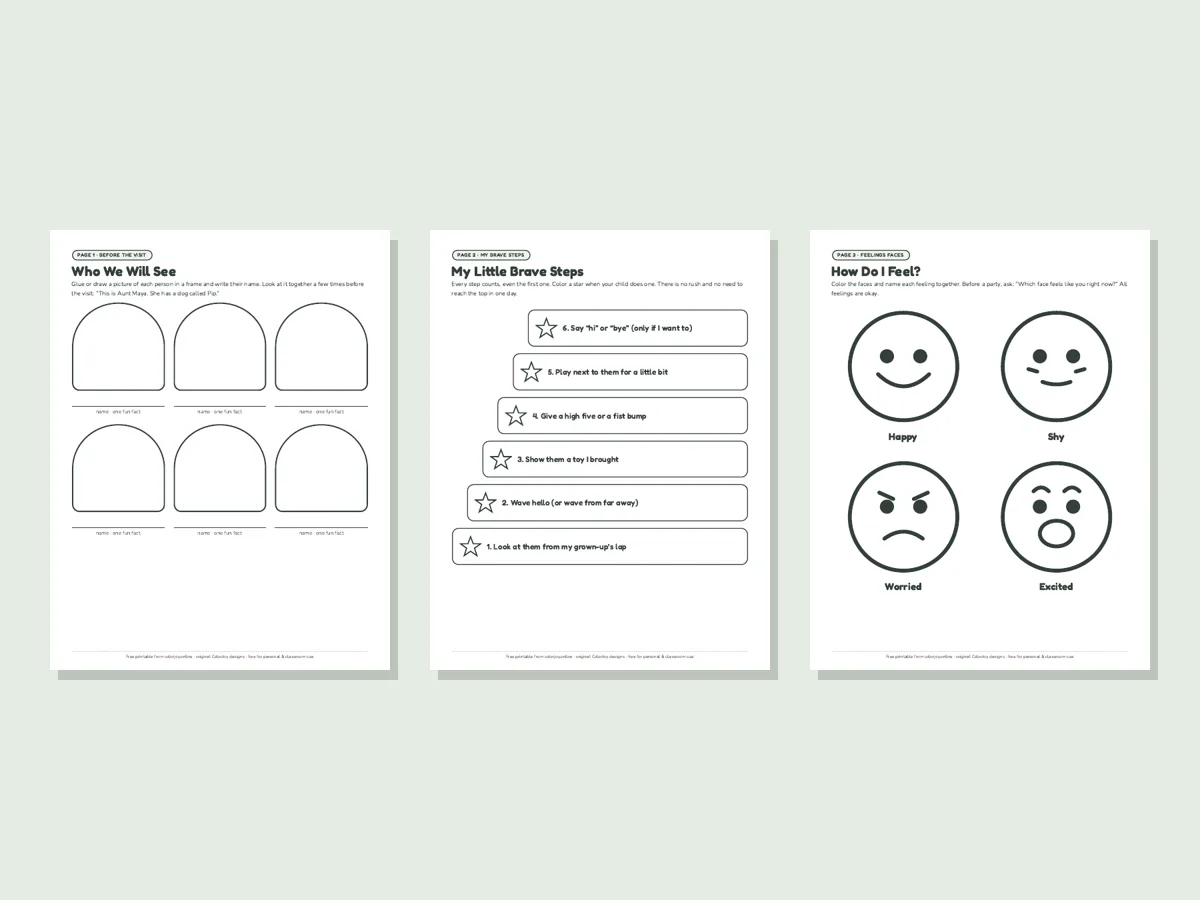
Download the free warm-up kit (PDF) →
Free for personal and classroom use. No email or sign-up needed.
Tip: fill in page 1 with real family photos a week before a holiday, and look at it together at bedtime. We share new free printables every week; find them all in our activity ideas hub.
Your plan
What to do tonight (about 10 minutes)
A small start tonight makes the next gathering easier.
3 minutes
Print the kit
Print the brave steps ladder and the feelings faces.
3 minutes
Color a feeling
Color the faces together and talk about a time each of you felt shy.
2 minutes
Pick one tiny step
Choose the first brave step for the next visit, like waving from your lap.
2 minutes
Text one relative
Send the “note for relatives” to whoever hosts the next family gathering.
💛 Be kind to yourself
A shy child is not a problem to fix. With your patience, they will find their own way to join in.
For you
A final word for tired, worried parents
It is hard to watch your child struggle while other kids run off happily, and harder still when relatives comment. Remember: your toddler’s caution is not a reflection of your parenting. Every time you stay close, wait patiently and celebrate a small step, you are teaching them that new things are safe and that you will be there. That lesson lasts far longer than any one party.

From the ColorJoy shelf
Our pick for parents of shy toddlers: Understanding Your Child’s Emotions

Our guide pick for parents
Understanding Your Child’s Emotions | Parenting Guide PDF (Ages 0–12)
A clear, compassionate guide to the less visible side of growing up: key topics in child psychology in plain language, how to understand behavioral cues, how to recognize early signs of emotional struggles, and practical ways to support healthy emotional development. Instant PDF download (382 KB); read on your phone or print it.
$5.99PDF guide · instant download
Our own guide; we earn money if you buy it. Price as listed on Payhip when we checked on 26 October 2026; please confirm on the product page.
Why it’s our pick: helping a shy toddler is mostly about understanding what is going on inside them, so you can respond with patience instead of pressure. This guide is written for parents of children from birth to 12, so it will stay useful as your cautious toddler grows into a thoughtful preschooler and school-age child. It is an educational guide, not a substitute for professional help; if you are worried, talk with your pediatrician.
Looking for something to do together? Our Calming Mindful Coloring Book for All Ages on Amazon ($9.99) is a lovely quiet activity for a parent and child to share. Browse all our books in the Mr A G author store on Amazon, or our full Payhip store at payhip.com/BookBonbon, including the Kids Printable Mega Bundle ($14.99).
📚 Related books from ColorJoy
If this topic is on your mind, these titles from our own shelf fit well alongside it.

Calming Mindful Coloring Book for All Ages
Relaxing patterns, mandalas and nature scenes with thick lines: a calm, side-by-side activity for a quiet corner at a busy family gathering.
$9.99 paperback on Amazon.com · Paperback, shipped by Amazon
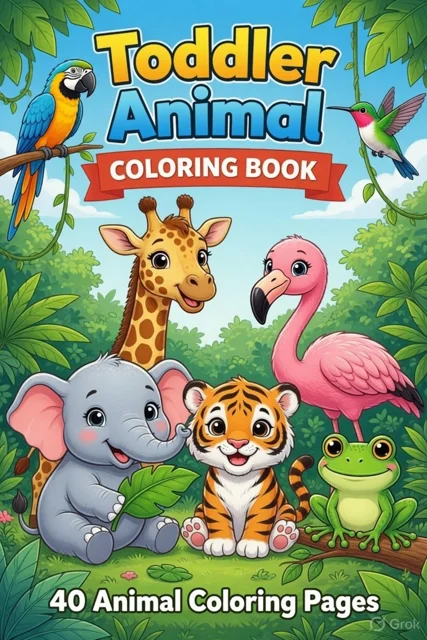
Toddler Animal Coloring Pages (printable PDF)
Big, friendly animals with thick outlines, listed for ages 3 to 8: easy pages to bring as a “bridge” activity to a new place.
$1.99 printable PDF on Payhip · Instant PDF download; print at home
Build Confidence in Kids: 23 Daily Habits (PDF guide)
For when your child is older: 23 daily habits and short activities to build confidence in school-age kids.
$3.99 printable PDF on Payhip · Instant PDF download; print at home
These are our own books and printables, and we earn money if you buy them. Prices as listed on Amazon.com and Payhip when we checked on 1 November 2026; prices can change, so please confirm on the product page.
Frequently asked questions
Is it normal for a toddler to be shy?
Yes. Many toddlers are shy or “slow to warm up,” meaning they are cautious with new people and places. Child development experts at ZERO TO THREE and the AAP describe it as a normal temperament. These children usually become comfortable once things feel familiar.
How can I help my shy toddler at family gatherings?
Preview who will be there with photos, arrive early, bring a familiar toy, greet adults yourself first, ask relatives to offer a toy or a wave instead of a hug, find a quiet corner for breaks, and celebrate small brave steps afterward.
Should I make my shy toddler hug relatives?
It is better not to force hugs. Offer choices like a wave, a high five or blowing a kiss. This respects your child’s feelings and teaches that they have a say over their own body, while still being polite.
Should I tell people my child is shy?
Try to avoid the label in front of your child, because children hear and may believe it. Instead say, “She takes a few minutes to warm up. She’ll join in soon.”
Is my shy toddler autistic?
Shyness alone is not a sign of autism. Shy children are usually interested in people and connect easily with family. If your child rarely looks back and forth between you and things to share them, doesn’t point to show you things, or has lost skills, talk with your pediatrician. The AAP recommends autism screening at 18 and 24 months.
Will my child grow out of being shy?
Temperament tends to be lasting, but children learn many skills to handle new situations, and many shy toddlers become confident, thoughtful kids. Your patience and support help them feel safe enough to join in at their own pace.
You’ve got this 💚
ColorJoy makes bold, easy coloring books and printables for little hands, plus practical guides for real family life. We share new gentle-parenting guides and free printables every week, so come back for the next one.
For a deeper understanding of your child’s feelings, our pick is the Understanding Your Child’s Emotions guide.
Get the emotions guide on Payhip →
Next, read about the best restaurant activities for toddlers or our simple Christmas traditions for toddlers.
Photos: Unsplash (Unsplash License). Illustrations: AI-generated for ColorJoy. Book images and printable designs: ColorJoy / Mr A G. This guide is general information for parents, not medical advice; talk with your pediatrician about any concerns.