Free 10-page PDF • Ages 3–5 • No sign-up
Thanksgiving Worksheets for Preschool: 10 Free Printable Pages + Tips by Age
Your preschooler wants to “do homework” like the big kids, the week before Thanksgiving is packed, and you need something calm, cute and actually useful. Here are 10 free Thanksgiving worksheets for preschool (tracing, counting, letters, shapes and patterns), which pages fit ages 3, 4 and 5, and how to make worksheet time feel like play.

🌟 By the end of this page you’ll have…
- 10 free Thanksgiving worksheets: trace-the-path, letter T, count and circle, ten frames, first sounds, patterns, sizes, a shape turkey and a thankful page
- which pages fit a 3-year-old, a 4-year-old and a 5-year-old, based on CDC milestones
- a 6-step routine that keeps worksheet time short, happy and tear-free
- hands-on ways to turn each page into play
- a simple Thanksgiving-week plan, from now until the big day
🎨 New here? Hi, we’re ColorJoy
ColorJoy makes bold, easy coloring books, learning workbooks and free printables for little hands, plus practical guides for busy families. Our promise is simple: pages your child can actually do, with thick lines, big pictures and one clear job per page. If your child is still a young toddler, start with our Thanksgiving coloring pages for toddlers instead.
Real-life moments
Sound familiar?
Preschoolers and Thanksgiving week have a few classic moments. A good worksheet (and the right way to use it) helps with each one.
The “I want homework too!” moment
Big sister has a packet from school. Your four-year-old wants one too, right now, with a pencil, at the big table, “like a real student.”
Try this: hand over a page made for their age. Feeling like a big kid is a huge motivator, and it is the easiest win of the week.
The grocery-list afternoon
You are planning the menu, ordering the turkey and answering texts from relatives while your preschooler circles your legs.
Try this: one count-and-color page and a few crayons buy you 10 calm minutes with your child right beside you.
The preschool break
School is out for Thanksgiving break and your little one misses the routine of circle time and “work time.”
Try this: a short worksheet at the same time each morning gives the day a familiar shape.
The pencil battle
You tried a worksheet last month. It ended with a broken crayon, a crumpled page and a child under the table.
Try this: the wrong page or too long a session is usually the problem, not your child. The age table and routine below fix both.
The honest answer
Are worksheets OK for preschoolers? (Yes, used the right way)
You may have heard that worksheets are “bad” for little kids. The truth is more balanced. Young children learn most through play, talk and hands-on exploring. The American Academy of Pediatrics describes play as essential to children’s healthy development and to strong relationships with the adults who care for them (AAP clinical report: The Power of Play). A worksheet cannot replace that, and it does not need to.
What a good preschool worksheet can do is give your child a small, clear, finishable job: trace this path, count these pumpkins, color the big one. Done well, it is a short, cozy activity you do together, and it practices skills the CDC lists for this age:
- Drawing and pencil grip. Most 3-year-olds can draw a circle when you show them how (CDC: milestones by 3 years). By 4, most children hold a crayon or pencil between their fingers and thumb, not in a fist (CDC: milestones by 4 years).
- Colors, shapes and sizes. Most 4-year-olds name a few colors, and the CDC suggests helping children learn about colors, shapes and sizes in everyday moments (CDC). Our big-medium-small and shape turkey pages do exactly that.
- Counting and numbers. By 5, most children count to 10 and name some numbers between 1 and 5 when you point to them (CDC: milestones by 5 years).
- Letters and sounds. By 5, most children name some letters when you point to them, write some letters in their name and use or recognize simple rhymes (CDC).
- Attention. The CDC notes most 5-year-olds pay attention for 5 to 10 minutes during activities like arts and crafts. That is why every page in our pack is short.
💛 The golden rule
A worksheet is a conversation starter, not a test. If your child is laughing, talking and trying, it is working, even if the lines go everywhere.
By age
Thanksgiving worksheets by age: which pages fit 3, 4 and 5
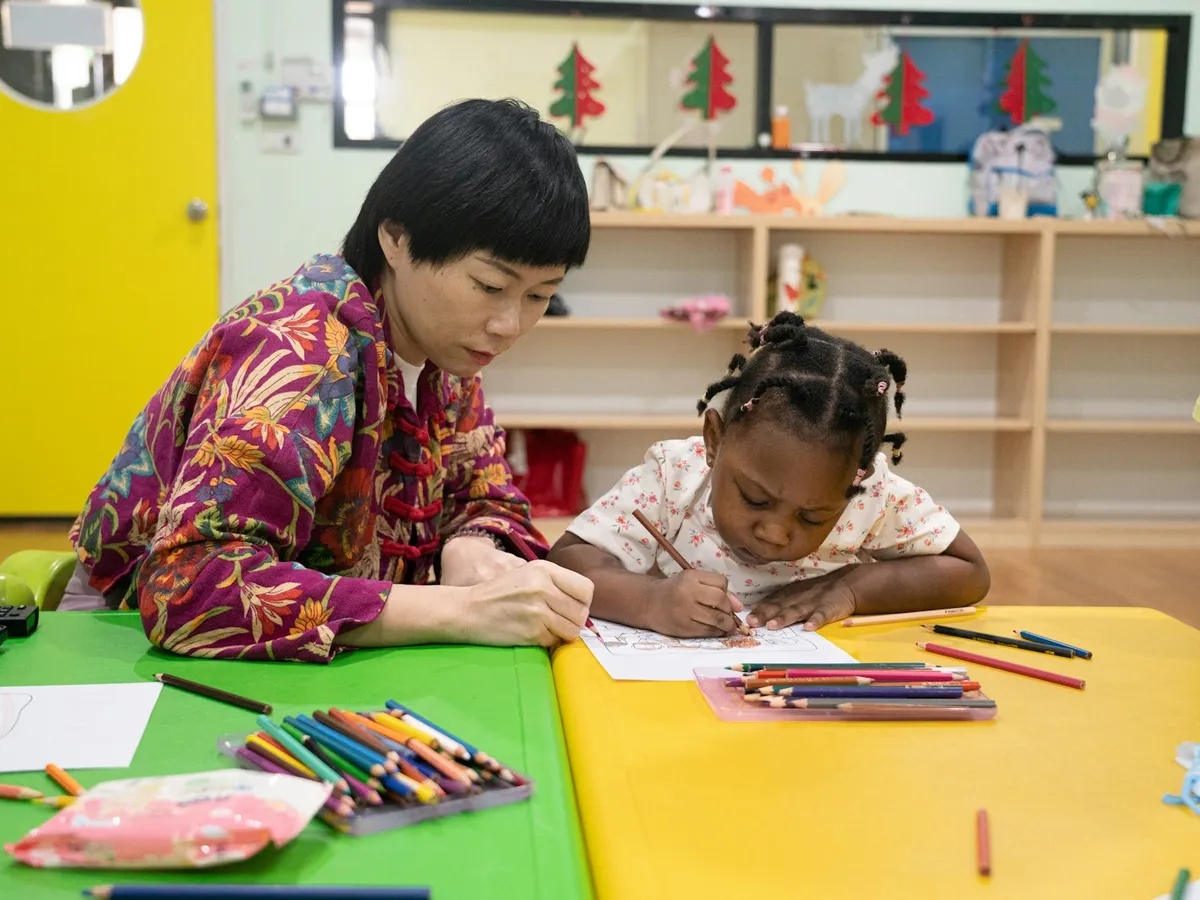
Every child is different, so treat this as a starting point. Pick the page your child can do mostly on their own, with you helping with the tricky part. If it is too hard, step back a row. If it is too easy, add a challenge from the right-hand column.
| Age | Usually ready for… | Best pages in our pack | Make it easier | Make it harder |
|---|---|---|---|---|
| 3 | Scribbling with control, drawing a circle with help, counting a few objects, big vs small | Trace the path (straight & wavy rows), count to 3, big-medium-small, coloring page | Trace with a finger first; count together out loud | Try the zigzag row; color only the small things |
| 4 | Finger-and-thumb crayon grip, naming colors, simple patterns, first cutting | All tracing rows, letter T, shape turkey, patterns (cut & paste) | You cut, they glue; skip the small letters | Count all 6 rows; write T on their own |
| 5 | Counting to 10, naming some letters and numbers, rhymes, writing a few letters | Ten frames, first sounds, patterns, writing “I am thankful for…” | Read the picture names together; use dots in ten frames | Make your own pattern; find more T words around the house |
Under 3? Skip worksheets entirely and go for big crayon scribbles, stickers and sensory play. Our Thanksgiving crafts for toddlers and guide to when toddlers can color are made for that age.

The free pack
What’s inside the free Thanksgiving worksheet pack (10 pages)
We designed every page around one clear job, with thick lines, big pictures and plenty of white space, the same bold-and-easy style as our coloring books. Everything prints on US Letter paper in black and white, so it is printer-ink friendly.
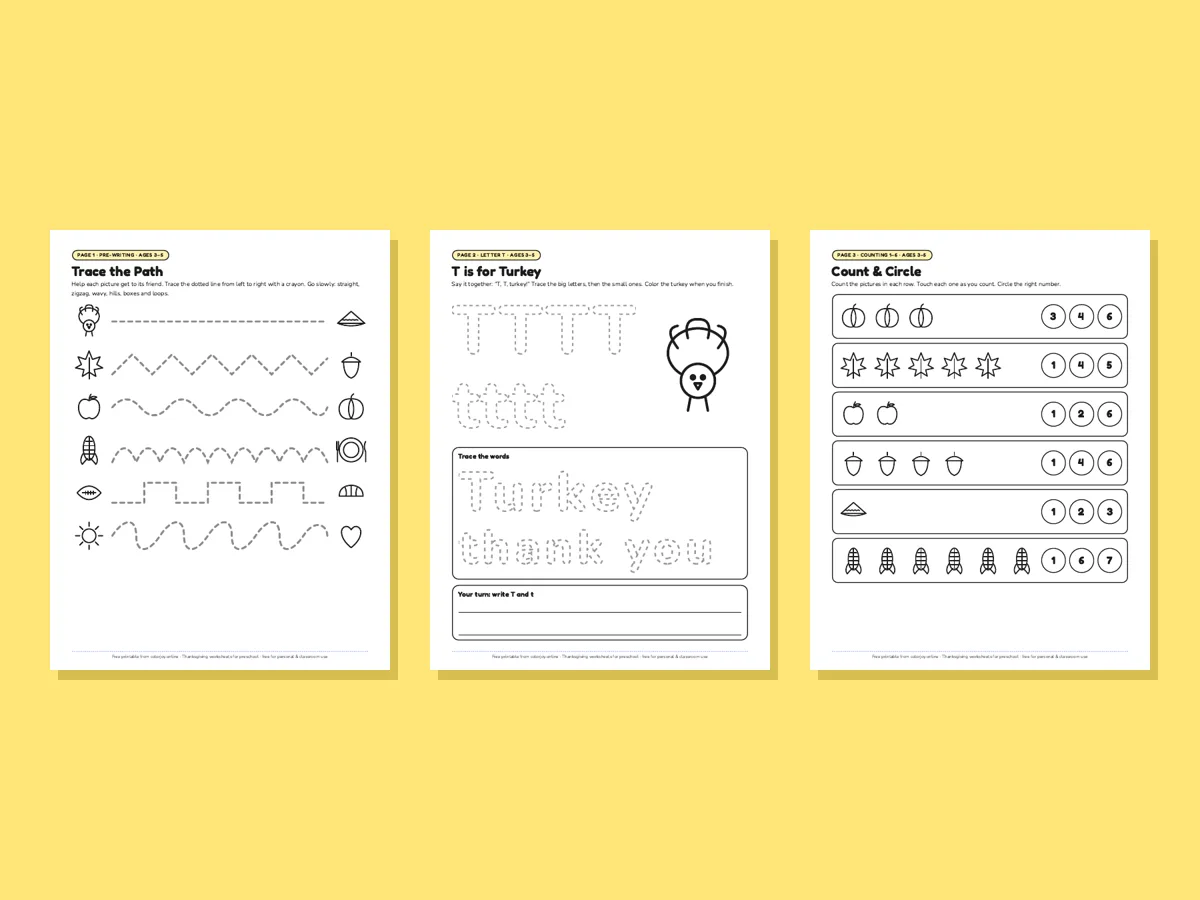
- Trace the path (page 1)Six rows of dotted paths from one Thanksgiving picture to another: straight, zigzag, wavy, hills, boxes and loops. These are the same strokes that later make letters.
- T is for Turkey (page 2)Big dotted uppercase T and lowercase t, then the words “Turkey” and “thank you” to trace, with a turkey to color and two lines to try on their own.
- Count & circle (page 3)Six rows of pumpkins, leaves, apples, acorns, a pie and corn. Count, touch each one and circle the right number from three choices.
- Fill the pie plate (page 4)Four empty ten frames. Roll a die or pick a number, draw that many dots and write the number. A gentle first step toward adding.
- First sound fun (page 5)Eight pictures (turkey, pie, corn, leaf, apple, football, plate, mug). Say the name slowly and circle the first sound. Upside-down answers at the bottom.
- What comes next? (page 6)Four Thanksgiving patterns (AB, AABAA-style and ABC) with cut-and-paste answers. Patterns are early math and early reading at the same time.
- Big, medium, small (page 7)Three rows of pumpkins, pies and leaves in three sizes. Color by size with simple instructions you read aloud.
- Shape turkey (page 8)A turkey built from circles, triangles and rectangles with a color key and a “how many?” box.
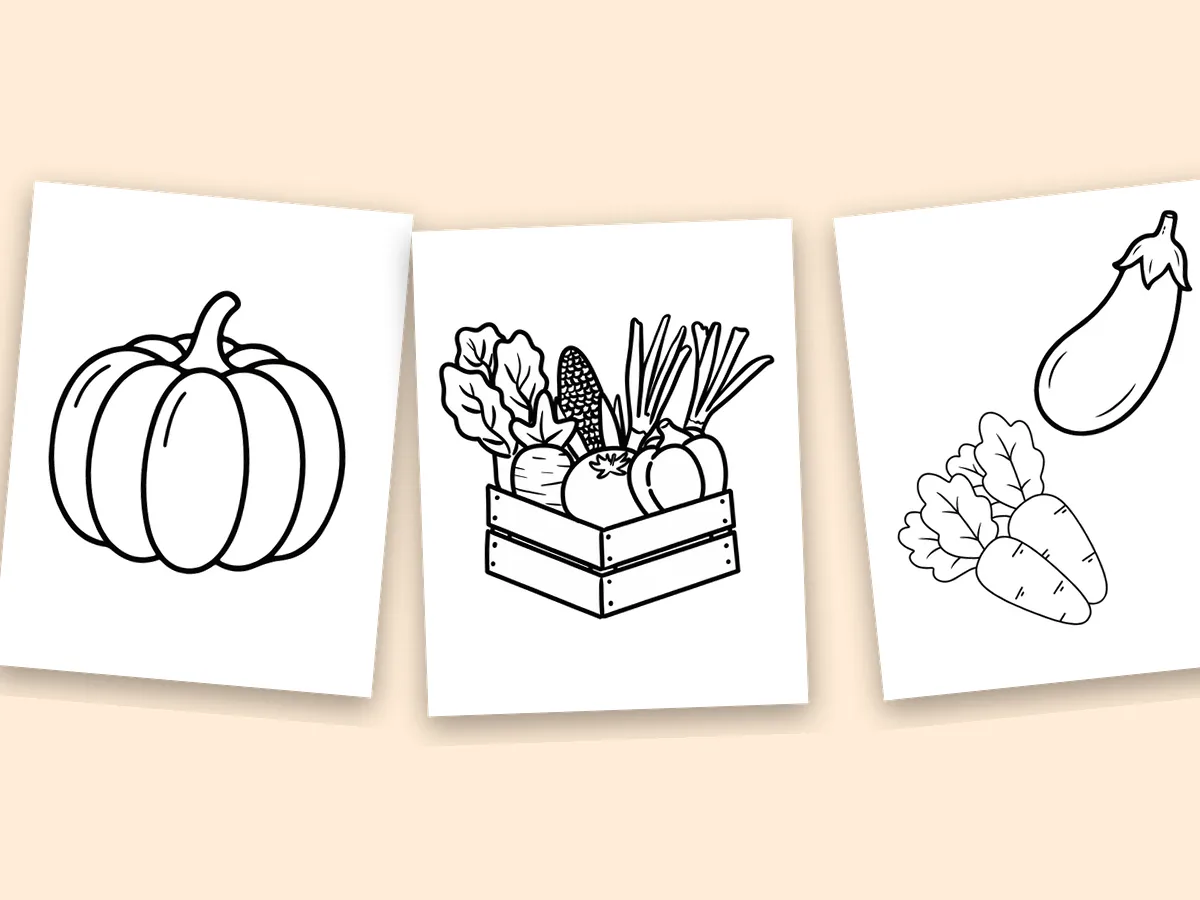
- I am thankful for… (page 9)A real pumpkin page from our ColorJoy vegetable coloring book, a box to draw something they are thankful for and a line for you to write their words.
- Grown-up guide (page 10)Which pages to start with at 3, 4 and 5, plus quick tips for grip, praise and keeping it short.
Want a week of pages, not one afternoon?
Preschool Coloring & Activity Bundle (PDF)
Color matching, symmetry tracing, cut-and-paste worksheets and 100+ coloring pages (animals, A–Z, nature) you can print again and again over the long weekend. $8.99 instant download on Payhip.
See it on Payhip →Our own book; we earn money if you buy it.
Pre-writing
Tracing and pre-writing worksheets: how to help little hands
Before children write letters, they practice the strokes inside letters: straight lines, curves, zigzags and loops. That is what the trace-the-path page is for. It looks simple, but steering a crayon along a wavy line takes real control of the shoulder, wrist and fingers.
- Finger first. Have your child trace each path with a pointer finger and say “zig, zag, zig, zag” or “up the hill, down the hill.”
- Chunky crayon second. Short, thick or triangle crayons are easier to hold than thin markers. Broken crayon pieces are great too, because they encourage a fingertip grip.
- Go left to right. Start at the picture on the left, which is the same direction we read and write in English.
- Slow is the goal. Say “Can your crayon walk like a turtle?” rather than “Stay on the line!”
- Off the line is fine. Wobbly lines are normal at 3 and 4. Celebrate finishing, not neatness.
- Try it big. Repeat the zigzag in the air, in a tray of flour or on a steamy window. Big movements help small ones.
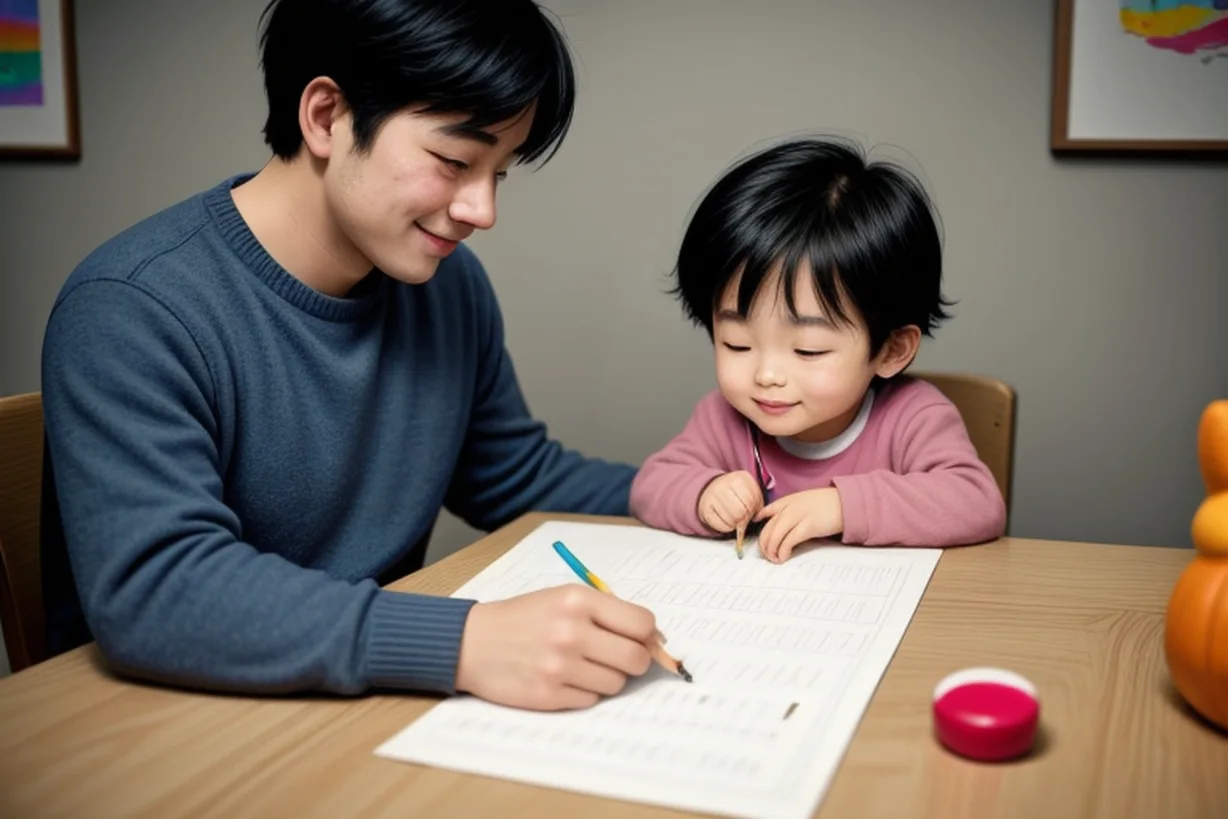
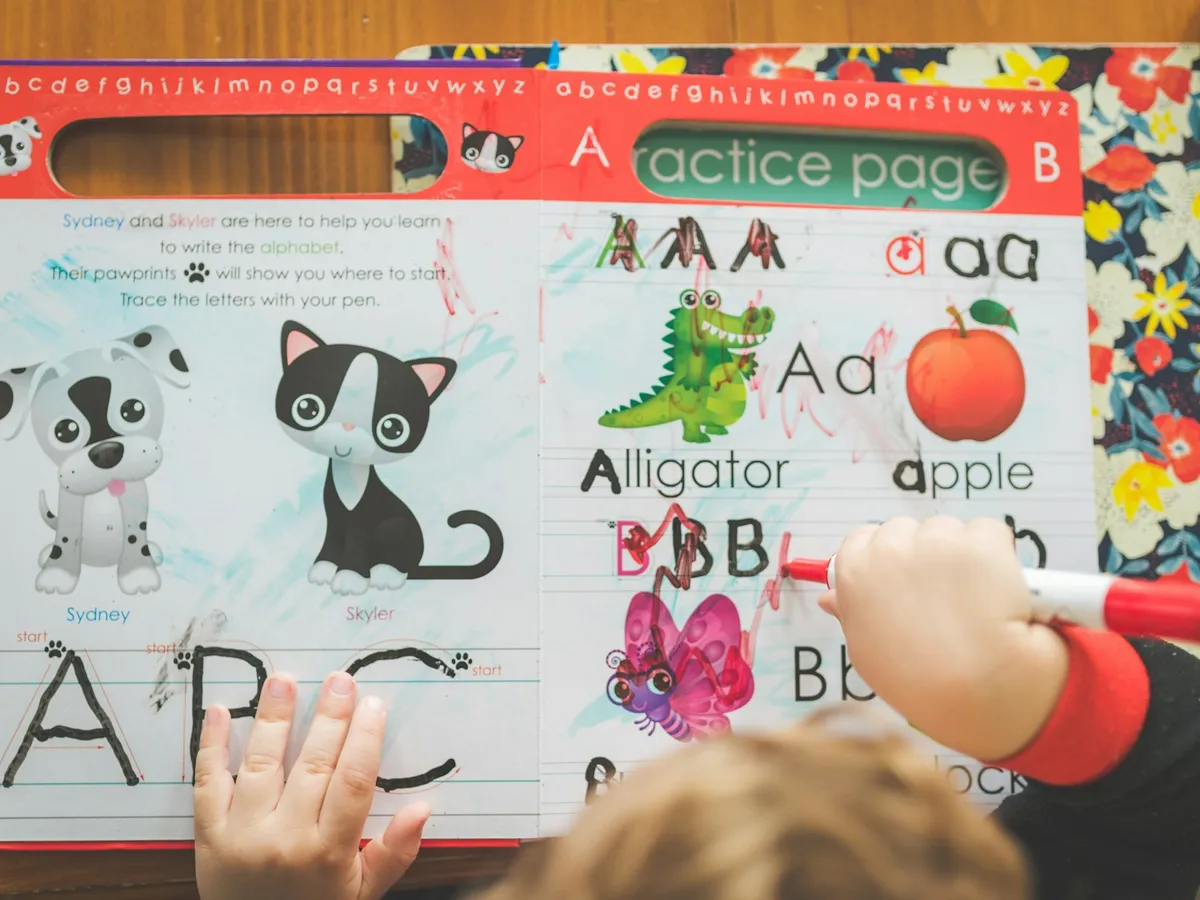
✏️ Grip check
By age 4, most children hold a crayon between their fingers and thumb instead of in a fist (CDC). If your 3-year-old still uses a fist grip, that is common. Playdough, stickers and tearing paper build the same finger muscles. More ideas in our fine motor activities for 3-year-olds.
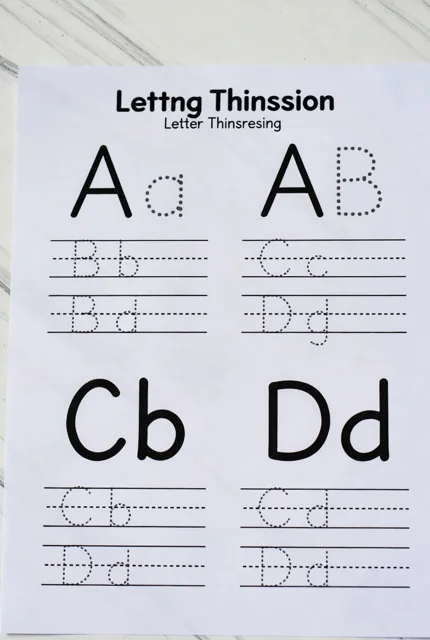
More tracing practice after Thanksgiving
Tracing Worksheets for Kids: Lines, Shapes, ABC & Numbers (PDF)
Pre-writing lines, shape tracing, A–Z capital and small letters, number tracing and trace-and-color pages in one printable pack. $3.99 instant download on Payhip.
See it on Payhip →Our own book; we earn money if you buy it.
Early math
Counting and math worksheets: pumpkins, pies and patterns
Preschool math is mostly about noticing: how many, which is bigger, what comes next. Thanksgiving is full of things to count, so these pages connect easily to real life. By age 5, most children count to 10 (CDC), and every page in this part of the pack stays within 10.
- Count and touchOn the count-and-circle page, ask your child to touch each pumpkin as they count. Touching one object for each number word is a big preschool skill, and it is easier than counting with eyes only.
- Ten frames with real thingsUse the pie plate page with big buttons, pom-poms or paper squares. Five on top, five on the bottom. Ask “How many more to fill it?”
- Size talk all dayAfter the big-medium-small page, find big, medium and small things at dinner: spoons, plates, potatoes. The CDC suggests asking about the color, shape and size of things kids see during the day (CDC).
- Pattern huntAfter the “what comes next?” page, look for patterns on sweaters, placemats and table runners. Clap a pattern: clap, clap, stomp. Let your child invent one.
- Shape walkAfter the shape turkey, hunt for circles (plates), rectangles (napkins) and triangles (pie slices) on the Thanksgiving table.
Want more number fun? Our counting activities for preschoolers and shape activities for preschoolers have dozens of hands-on ideas, and the color by number guide is perfect for kids who love both counting and coloring.
⚠️ Small counters and little siblings
Cereal, beans, buttons and pom-poms can be choking hazards for children under 3 (HealthyChildren: choking prevention). If a baby or toddler is nearby, use crayon dots or paper squares on the ten frames instead.
Early literacy
Letter and sound worksheets: T is for Turkey
Thanksgiving gives you a perfect letter of the week: T for turkey, thank you and table. The letter page starts with big dotted letters, then words to trace, then an empty line for your child to try. The first-sound page practices hearing the first sound in a word, which is a key step before reading.
| Try this | How it sounds | Why it helps |
|---|---|---|
| Stretch the word | “Tttturkey… what sound is first?” | Slow, stretched words make the first sound easier to hear |
| Silly swaps | “What if turkey started with B? Burkey!” | Playing with sounds builds phonological awareness |
| Rhyme time | “Pie, sky, fly… what else rhymes with pie?” | Most 5-year-olds recognize simple rhymes (CDC) |
| I spy a sound | “I spy something on the table that starts with ‘p’…” | Moves sound practice off the page and into the day |
| Name hunt | “Is there a T in your name? In Grandpa’s name?” | Most 5-year-olds write some letters in their name (CDC) |
For a step-by-step approach to sounds, see our guide to teaching letter sounds to preschoolers, and if your child is ready to write, try how to teach a child to write their name. Younger learners will enjoy our alphabet activities for toddlers.
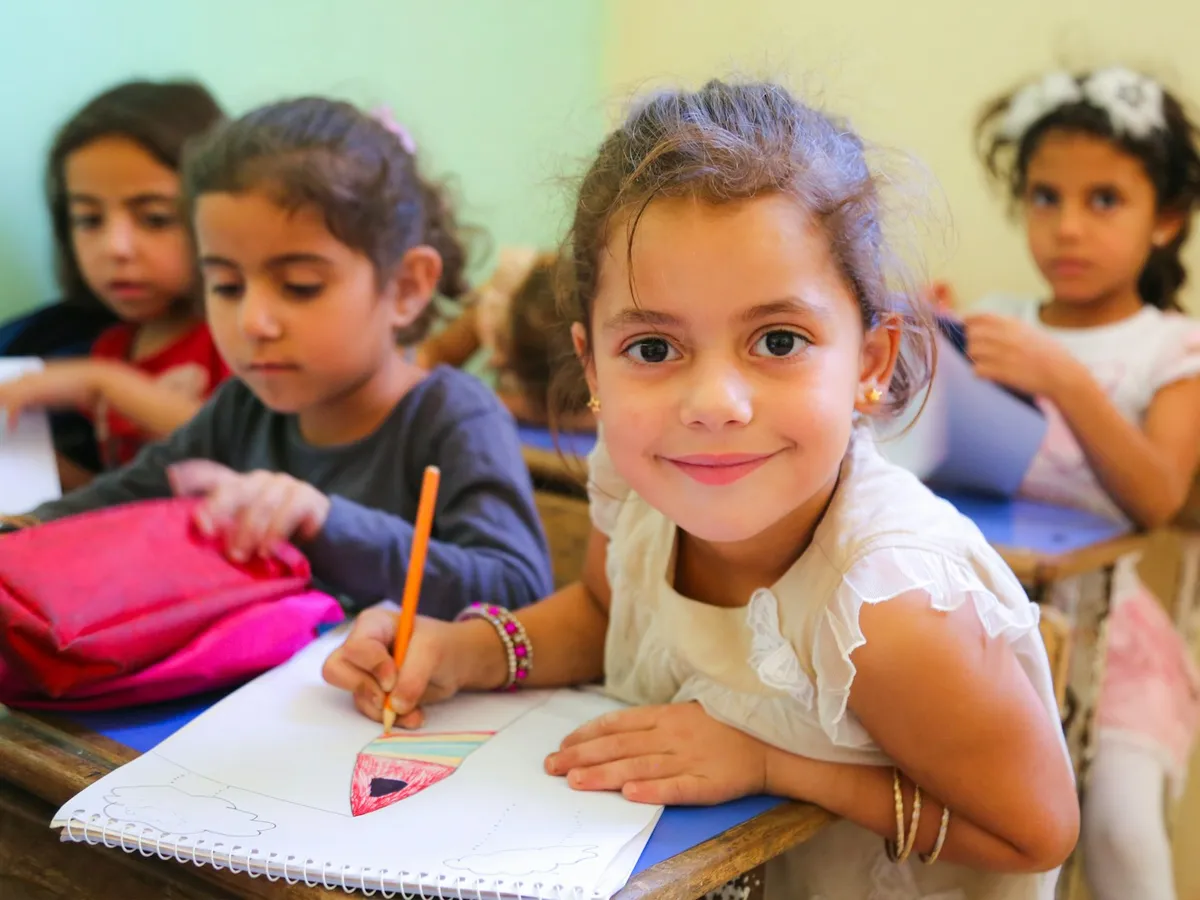
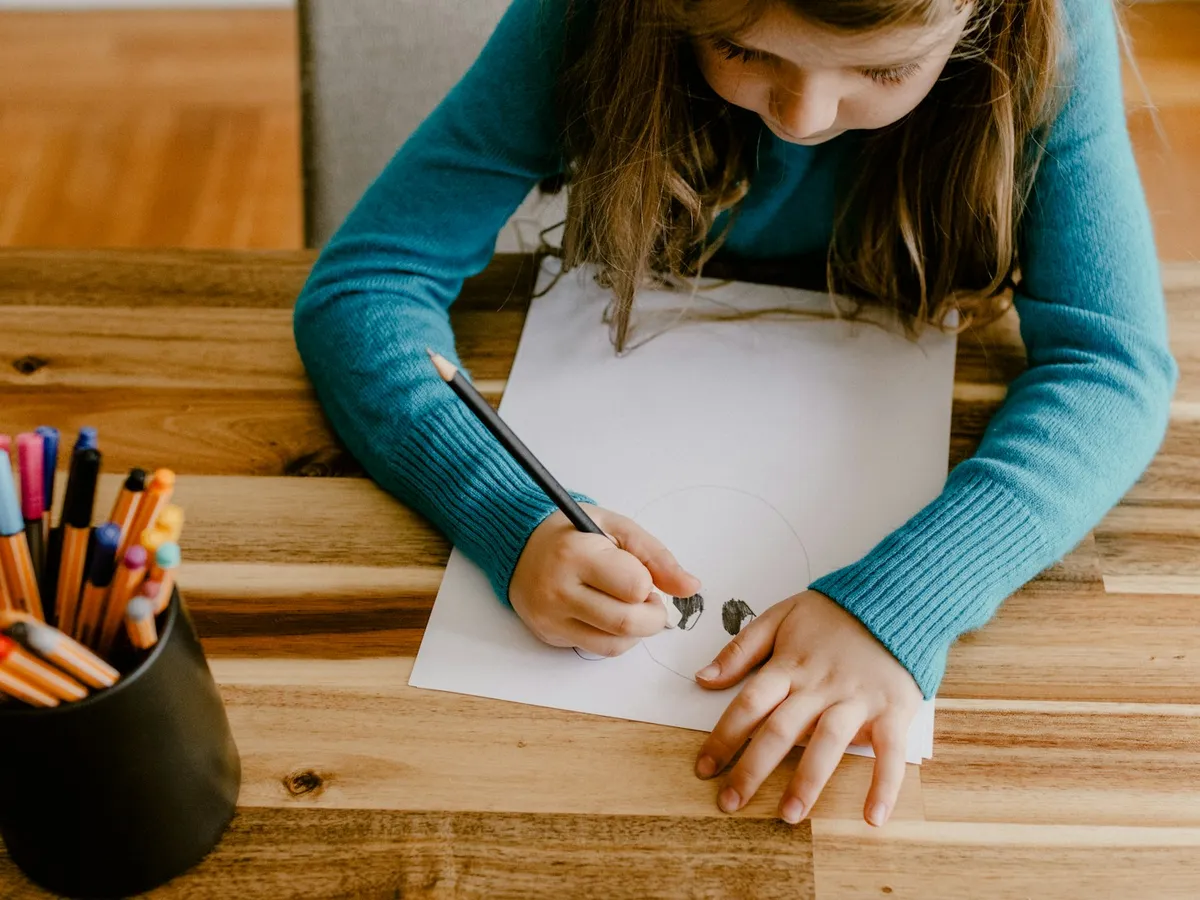
Step by step
How to do worksheets with a preschooler (without tears): 6 steps
Most worksheet battles come from three things: a page that is too hard, a session that is too long, or a child who feels tested. This routine fixes all three.
- Let them choose. Lay out two pages and ask “Which one today?” A choice turns “have to” into “want to.”
- Set a tiny goal. “Let’s do the pumpkin row and the leaf row.” Finishing a small goal feels better than abandoning a whole page.
- Sit beside, not across. Side by side feels like teamwork. Across the table can feel like a test.
- Talk, don’t correct. Ask “How many did you count?” and “Which one is the biggest?” If an answer is wrong, count again together without saying “wrong.”
- Stop while it is fun. Ten to fifteen minutes is plenty. A half-finished page is a success if your child wants to come back.
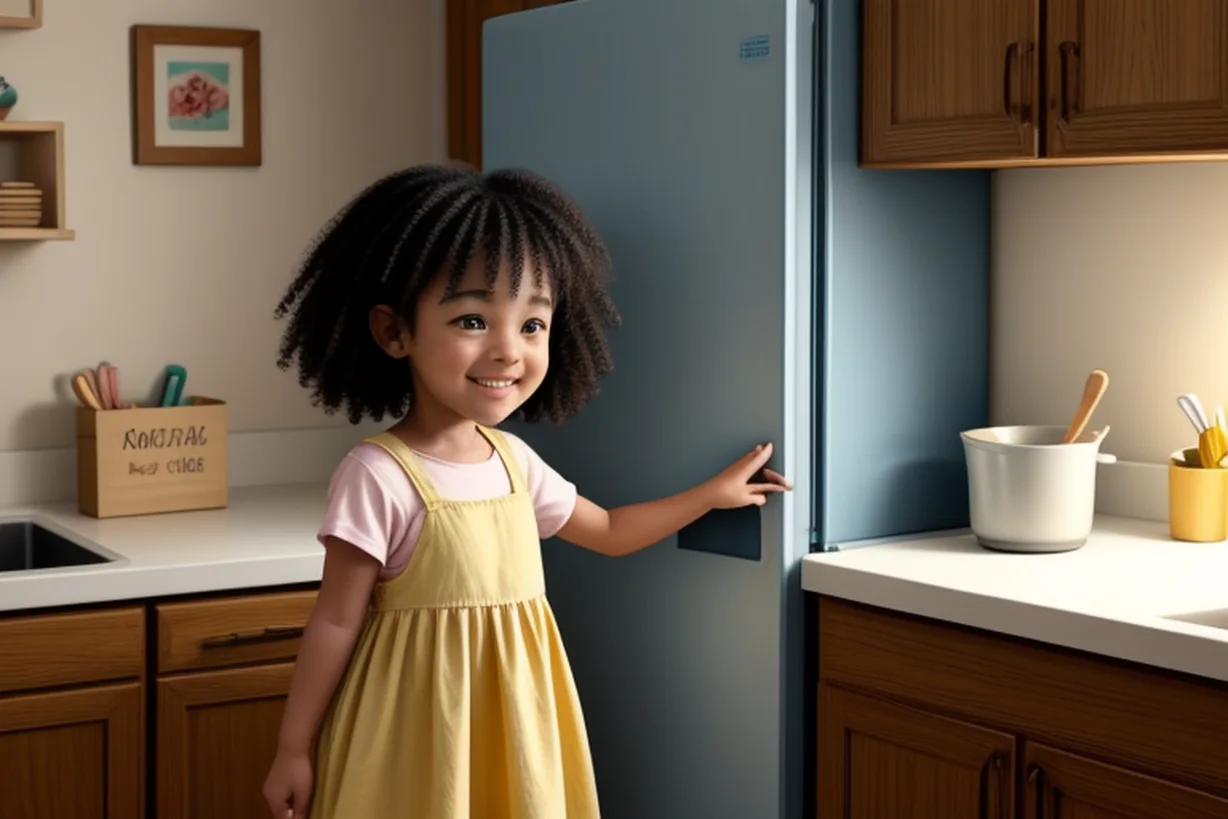
- Celebrate the effort. Hang it on the fridge, show Grandma on Thanksgiving or add a sticker. Try “You kept going on that tricky zigzag!”
| When this happens | Try saying | Why it helps |
|---|---|---|
| “I can’t do it!” | “Let’s do the first one together, then you try the next.” | Shows the way without taking over |
| Scribbles over everything | “Wow, lots of colors! Can you find the biggest pumpkin now?” | Accepts the art, then gently redirects |
| Wants to quit after one row | “Great work. Want to save the rest for after lunch?” | Ends on a win and keeps the door open |
| Gets upset about a mistake | “Mistakes help our brains grow. Let’s make a silly line on purpose!” | Takes the pressure off perfect |
| Only wants to color | “Color first, then we’ll count what you colored.” | Uses what they love to reach the skill |
Big feelings about “getting it right” are common at this age. Our emotional regulation activities for preschoolers have gentle ways to help.
Hands-on
Turn every worksheet into play (hands-on ideas)
The best way to use a worksheet is as a starting point. Do the page, then take the same idea off the paper. Kids learn more when the skill shows up in two or three different ways, and it makes worksheet time something they look forward to.
| Worksheet | Take it off the page |
|---|---|
| Trace the path | Tape the same paths on the floor with painter’s tape and walk, hop or drive toy cars along them. |
| Letter T | Build T’s with pretzel sticks, crayons or two strips of paper. Find T’s on cereal boxes and recipe cards. |
| Count & circle | Count real things for Thanksgiving: rolls in the basket, chairs at the table, people coming to dinner. |
| Ten frames | Use an egg carton cut to 10 cups. Fill it with mini pumpkins, acorns or paper balls. |
| First sounds | Put three Thanksgiving things in a bag (spoon, pinecone, apple). Pull one out and say its first sound. |
| Patterns | String a pattern necklace with large beads or cut straws: orange, brown, orange, brown. |
| Big, medium, small | Line up three real pumpkins, potatoes or shoes from big to small. |
| Shape turkey | Cut the same shapes out of colored paper and build a turkey collage. Our turkey disguise ideas have more turkey fun. |
| Thankful page | Turn it into a placemat or a card for a grandparent, or add it to a family gratitude activity. |
🧺 Make a Thanksgiving “work box”
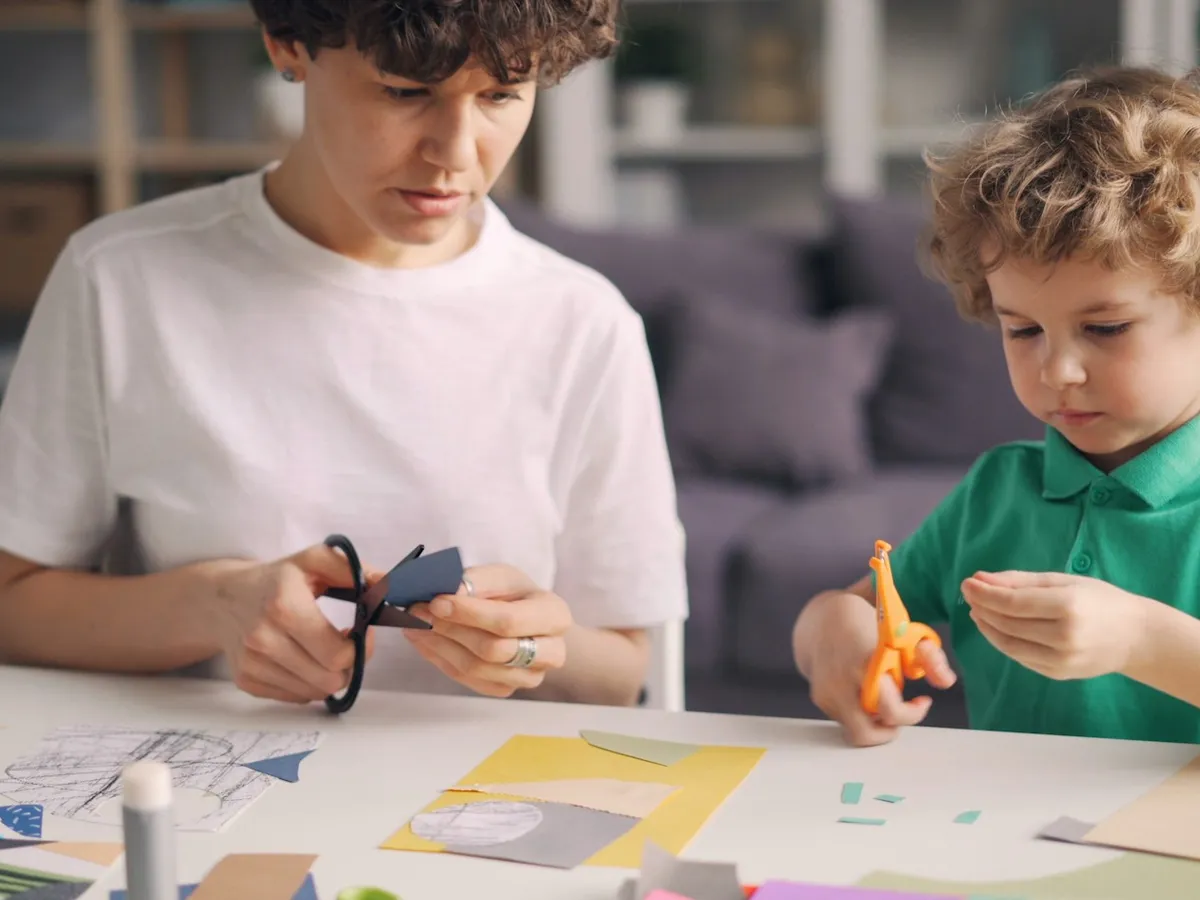
Put the printed pages, chunky crayons, a glue stick, child scissors and one die in a shoebox. The CDC suggests giving 3-year-olds an activity box with paper, crayons and coloring books (CDC). Pull it out whenever you need a calm 10 minutes, and take it along if you are traveling with our holiday travel packing list.
The plan
A simple Thanksgiving week worksheet plan (one page a day)
Thanksgiving 2026 is Thursday, November 26. You do not need to do every page. One short page a day, plus a play idea, is a lovely rhythm for the weeks before.
| Day | Page | Play extension | Time |
|---|---|---|---|
| Day 1 | Trace the path | Painter’s-tape paths on the floor | 10 min |
| Day 2 | Big, medium, small | Sort pumpkins, shoes or spoons by size | 10 min |
| Day 3 | Count & circle | Count rolls, chairs and cousins | 10 min |
| Day 4 | T is for Turkey | Pretzel-stick letter T | 10–15 min |
| Day 5 | Shape turkey | Paper shape turkey collage | 15 min |
| Day 6 | What comes next? | Pattern necklace | 15 min |
| Day 7 | Fill the pie plate / first sounds | Egg-carton ten frame or “sound bag” | 10 min |
| Thanksgiving Day | I am thankful for… | Use it as a placemat at the kids’ table | 10 min |
Hosting a crowd? Pair this with our kids table Thanksgiving ideas, the free Thanksgiving placemats and 30 Thanksgiving games for kids for the big day itself.

Free printable
Free printable: Thanksgiving worksheets for preschool (10 pages, PDF)
🎁 Free printable
ColorJoy Thanksgiving Worksheets for Preschool
Page 1: trace the path (6 pre-writing strokes). Page 2: T is for Turkey letter tracing. Page 3: count & circle 1–6. Page 4: fill the pie plate ten frames. Page 5: first sound fun (with answer key). Page 6: what comes next? patterns (cut & paste). Page 7: big, medium, small. Page 8: shape turkey with color key. Page 9: I am thankful for… coloring and drawing page. Page 10: grown-up guide by age. Free for personal and classroom use, no email needed.
Download the free 10-page Thanksgiving worksheets (PDF) →
Free for personal and classroom use. No email or sign-up needed.
Print on US Letter paper at 100% (or “fit to page”). Slip pages into a clear sheet protector and use dry-erase crayons to reuse them all week. Pin this page so you can find it next November, and share it with your child’s preschool teacher or the friend hosting this year. We add new free printables every week, so bookmark our activity ideas hub to see what is new. December is next: try our Christmas coloring pages and gingerbread man activities.
Your plan
What to do tonight (about 15 minutes)
Set up once, and worksheet time is ready all week.
3 minutes
Print the pack
All 10 pages, or just pages 1, 3 and 7 to start if your child is 3.
4 minutes
Make a work box
Shoebox or folder: pages, chunky crayons, glue stick, child scissors, one die.
3 minutes
Pick tomorrow’s page
Use the age table above. Put two choices on top so your child can choose.
5 minutes
Plan the play
Choose one hands-on extension and gather what you need, like painter’s tape or an egg carton.
💛 Be kind to yourself
Tomorrow, invite your child with “Want to do some big-kid work with me?” and stop after 10 minutes while it is still fun.
From the ColorJoy shelf
Our pick for little learners: the ColorJoy Phonics Practice Workbook

Our pick for ages 4–6
Phonics Practice Workbook for Kids Ages 4–6: Fun Letter Sounds, Beginning Reading Activities & Word Families
A 79-page paperback of letter-sound recognition, beginning-sound practice, simple word building and picture-based early reading activities. Pages are single-sided, so the blank back of each page is free for extra letter and word practice.
$12.99paperback · Amazon.com
Our own book; we earn money if you buy it. Price as listed on Amazon.com when we checked on 14 November 2026; please confirm on the product page.
Why it’s our pick: if your child enjoyed the “T is for Turkey” and first-sound pages, this workbook is the natural next step for the long weekend and winter break, with the same simple, picture-led approach. It is a paperback workbook (not a printable), sized 5.5 × 8.5 inches, and Amazon lists a reading age of 3–7 years. Keep the free pack above for Thanksgiving week itself.
Browse the Mr A G author store on Amazon for all our coloring and activity books, or get the Kids Printable Mega Bundle on Payhip ($14.99): printable coloring pages, tracing worksheets and ABC flashcards to print again and again all winter. Full printable store: payhip.com/BookBonbon.
📚 Related books from ColorJoy
If this topic is on your mind, these titles from our own shelf fit well alongside it.
Tick-Tock Time Adventures: Telling Time Workbook (Ages 4–6)
A friendly first telling-time workbook (ages 4–6) for kids who loved the counting pages.
$9.99 paperback on Amazon.com · Paperback, shipped by Amazon

Crunchy & Cute Vegetable Coloring Book (Ages 4–8)
The vegetable book behind our free pumpkin page: thick, simple lines for ages 4–8.
$9.99 paperback on Amazon.com · Paperback, shipped by Amazon
Alphabet & Number Tracing Worksheets PDF | Preschool & Kindergarten
Picture alphabet, upper and lowercase letters with stroke arrows, and numbers 1–10 to trace (printable PDF).
$3.99 printable PDF on Payhip · Instant PDF download; print at home
These are our own books and printables, and we earn money if you buy them. Prices as listed on Amazon.com and Payhip when we checked on 14 November 2026; prices can change, so please confirm on the product page.
Frequently asked questions
What are good Thanksgiving worksheets for preschool?
Look for pages with one clear job and big pictures: tracing paths, counting Thanksgiving objects to 10, letter T for turkey, beginning sounds, simple patterns, big-medium-small sorting and a shape turkey. The free 10-page ColorJoy pack includes all of these.
Are there free Thanksgiving worksheets for preschool in PDF?
Yes. The ColorJoy Thanksgiving worksheets for preschool are a free 10-page PDF with tracing, counting, letters, patterns, shapes and a thankful coloring page. No email sign-up is needed, and they are free for personal and classroom use.
Are worksheets good for 3-year-olds?
Short, simple pages can be fine when you do them together and keep it playful. At 3, choose tracing paths with a finger first, counting a few objects and big-versus-small coloring, and keep sessions to about 5–10 minutes. Play and hands-on activities should still make up most of the day.
How long should a preschooler spend on worksheets?
About 10–15 minutes at a time, and stop while your child is still enjoying it. The CDC notes most 5-year-olds pay attention for 5 to 10 minutes during activities like arts and crafts, so one or two short pages is plenty.
What skills do Thanksgiving worksheets teach preschoolers?
Pre-writing strokes and pencil grip, counting and one-to-one correspondence, number recognition, letter recognition and beginning sounds, patterns, shapes, size comparison, and the focus to finish a small task.
How do I make worksheets fun for my preschooler?
Let your child choose between two pages, set a tiny goal, sit beside them, talk instead of correcting, stop while it is fun and celebrate effort. Then take the same idea off the page, such as counting real rolls on the table or tracing tape paths on the floor.
Happy Thanksgiving, and happy learning 🦃
ColorJoy makes bold, easy coloring books, workbooks and free printables for little hands, plus practical guides for real family life. We hope these pages give you a few calm, cozy minutes side by side with your little one this week. We add new free printables and guides every week, so come back soon for December ideas.
For the next step after these pages, our pick is the Phonics Practice Workbook for Kids Ages 4–6.
See the Phonics Practice Workbook on Amazon →
More preschool fun: printable busy book for 3-year-olds, quiet time activities and winter break activities at home.
Photos: Unsplash (Unsplash License). Illustrations: AI-generated for ColorJoy. Book images and printable art: ColorJoy / Mr A G. Milestones vary and are not a test; talk with your pediatrician if you have concerns about development.