Free 8-page printable • Ages 1–5 • No sign-up
Christmas Fine Motor Activities for Toddlers & Preschoolers: 25 Easy Ideas + a Free Printable Pack
December is full of tiny, tricky jobs: peeling stickers, hanging ornaments, pinching sprinkles onto cookies. Those little jobs are exactly what busy hands need. These 25 Christmas fine motor activities turn the season’s sparkle into easy, low-prep play that builds the hand strength your child will use for coloring, cutting, buttoning and, one day, writing.
🌟 By the end of this page you’ll have…
- 25 Christmas fine motor activities: 12 for toddlers (1–3) and 13 for preschoolers (3–5), most using things you already own
- an age-by-age table showing what little hands can usually do, so you pick activities that feel just right, not frustrating
- step-by-step instructions for three favorites: an ornament lacing card, a pinch-and-count clothespin game and snowflake cutting
- a free 8-page printable pack: cutting strips, cut-out ornaments, a sticker tree, tracing paths, playdough mats, a lacing card and count cards
- a 10-day plan that runs from Thanksgiving week into December, plus a 15-minute “what to do tonight” setup
🎨 New here? Hi, we’re ColorJoy
ColorJoy makes bold, easy coloring books, activity books and free printables for little hands, plus practical guides for busy families. Our promise: activities your child can actually finish, with big shapes, thick lines and one clear job at a time. If your little one is already a busy maker, our Christmas crafts for preschoolers pair perfectly with this guide.
Real-life moments
Sound familiar?
Fine motor practice doesn’t have to look like “practice.” Here are the December moments parents tell us about most, and the small activity that can turn each one around.
The “I can’t do it!” crayon meltdown
Your preschooler throws the crayon across the table because the coloring page is “too hard.” Their hand gets tired fast.
Try this: ten minutes of squishing and rolling playdough ornaments first. Warm hands, stronger fingers, happier coloring.
The pre-K note home
The teacher mentions that your child is still holding scissors upside down, or gripping the pencil in a fist.
Try this: our cutting strips and tracing paths, five minutes a day. Short, playful and festive, so it never feels like homework.
Cooking day chaos
Thanksgiving or a holiday dinner is coming and you need 20 calm minutes in the kitchen while little hands want to “help.”
Try this: a tray of pom-poms, tongs and a muffin tin at the kitchen table. Sorting by color keeps them close and busy.
The ornament-grabbing toddler
Your two-year-old pulls every shiny ornament off the bottom branches, again and again.
Try this: a felt or paper sticker tree at their height. They get to decorate as much as they want, and the real tree stays safer.
The basics
What are fine motor skills (and why Christmas is the perfect time to build them)?
Fine motor skills are the small, precise movements of the fingers, hands and wrists, working together with the eyes. They are behind almost everything a young child does with their hands: picking up a pea, turning a page, zipping a coat, holding a crayon, snipping with scissors and, later, writing letters.
The good news is that these skills grow best through play. The American Academy of Pediatrics describes play as essential to children’s development (AAP clinical report: The Power of Play), and the CDC’s milestone guides are full of playful suggestions. For 3-year-olds, the CDC suggests letting children squish, press and pinch playdough, noting that this “builds her hand and finger muscles for writing, buttoning, and cutting” (CDC: milestones by 3 years).
December is a gift for fine motor play. The season is full of small, interesting objects (jingle bells, ribbons, pom-poms, cookie sprinkles, wrapping paper) and real jobs that little ones are desperate to help with. When an activity has a festive purpose, like making an ornament for Grandma, children will happily practice the same tricky movement again and again.
- Pincer grasp: thumb and pointer finger working together (picking up sprinkles, pom-poms, beads).
- Hand strength: squeezing, rolling and pinching (playdough, clothespins, tongs, spray bottles).
- Two hands, two jobs: one hand holds while the other works (lacing, cutting, peeling stickers).
- Hand–eye coordination: eyes guide the hand to a target (hanging ornaments, threading, dot markers).
- Tool control: using scissors, crayons, tweezers and spoons with purpose (tracing, cutting, transferring).
🎄 The Christmas fine motor rule
Five happy minutes beat thirty frustrated ones. Stop while your child still wants more, and they will ask to do it again tomorrow. That repetition is where the real progress happens.
By age
What to expect by age: Christmas fine motor activities that fit
Every child develops at their own pace, so treat this table as a starting point, not a test. The milestones come from the CDC’s free milestone guides for 2 years, 3 years, 4 years and 5 years. Choose an activity your child can do mostly alone, with you helping on one step.
| Age | Often doing (CDC) | Great Christmas activities | Your job |
|---|---|---|---|
| About 2 | Holds something in one hand while using the other; tries switches, knobs and buttons; eats with a spoon | Sticker tree, playdough squishing, lid post office, big pom-pom push, tearing wrapping paper | Offer big pieces, sit close, skip anything small enough to choke on |
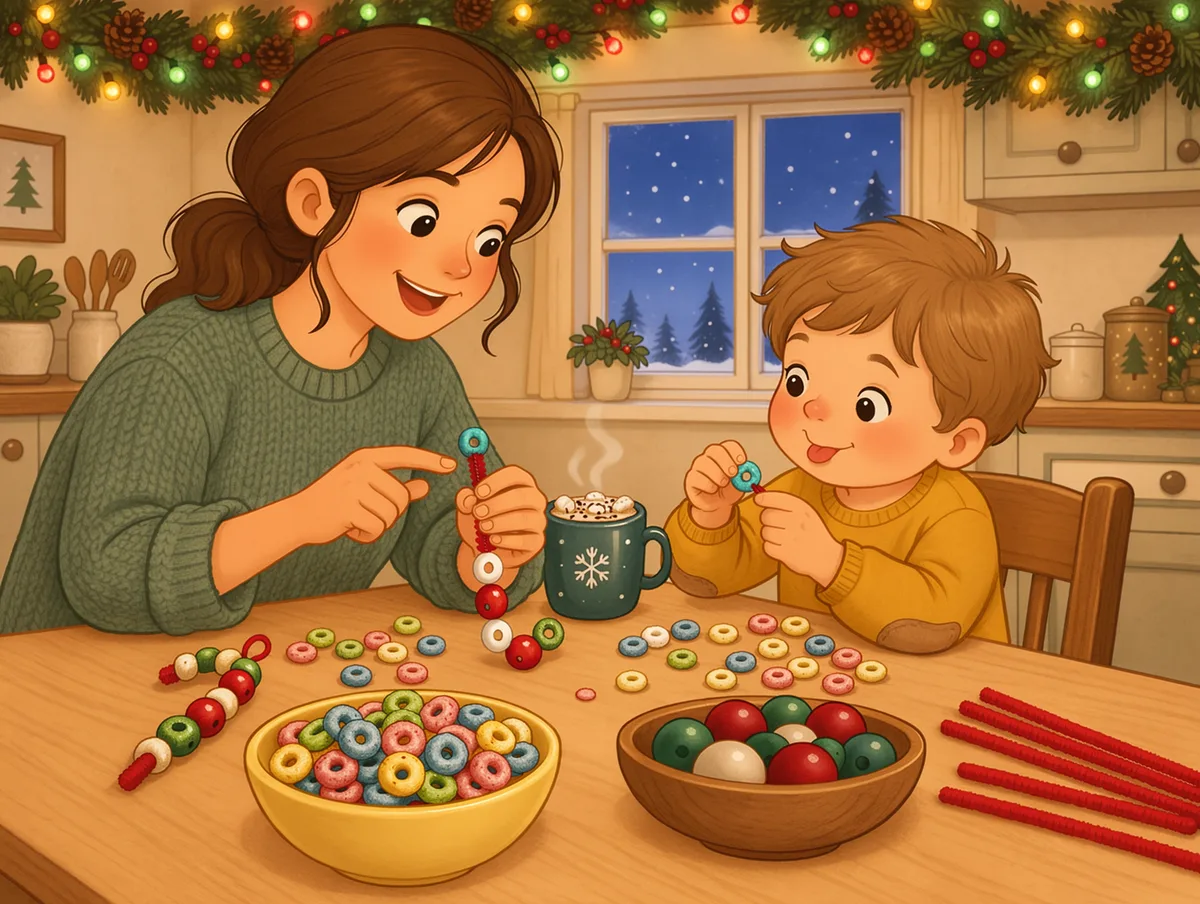
| About 3 | Strings items together, like large beads or macaroni; draws a circle when shown how; uses a fork | Cereal garland on a pipe cleaner, dot marker ornaments, playdough mats, first scissor snips, spoon transfers | Pre-cut tricky parts, show one step, then step back |
| About 4 | Holds crayon or pencil between fingers and thumb (not a fist); unbuttons some buttons; pours water with supervision | Lacing cards, clothespin counting, cutting straight and wavy lines, tracing paths, sprinkling cookies | Give real jobs, praise effort, keep sessions short |
| About 5 | Buttons some buttons; writes some letters in their name | Cutting zigzags and shapes, paper snowflakes, writing gift tags, threading beads on string, wrapping small gifts | Let them do it their way; resist “fixing” it |
Is your child still in the mouthing stage? Keep to stickers, fingerprints, playdough and big paper for now. Our guide on what age toddlers can start coloring has more ideas for the youngest makers, and if your child is closer to four, try our fine motor activities for 3-year-olds all year round.
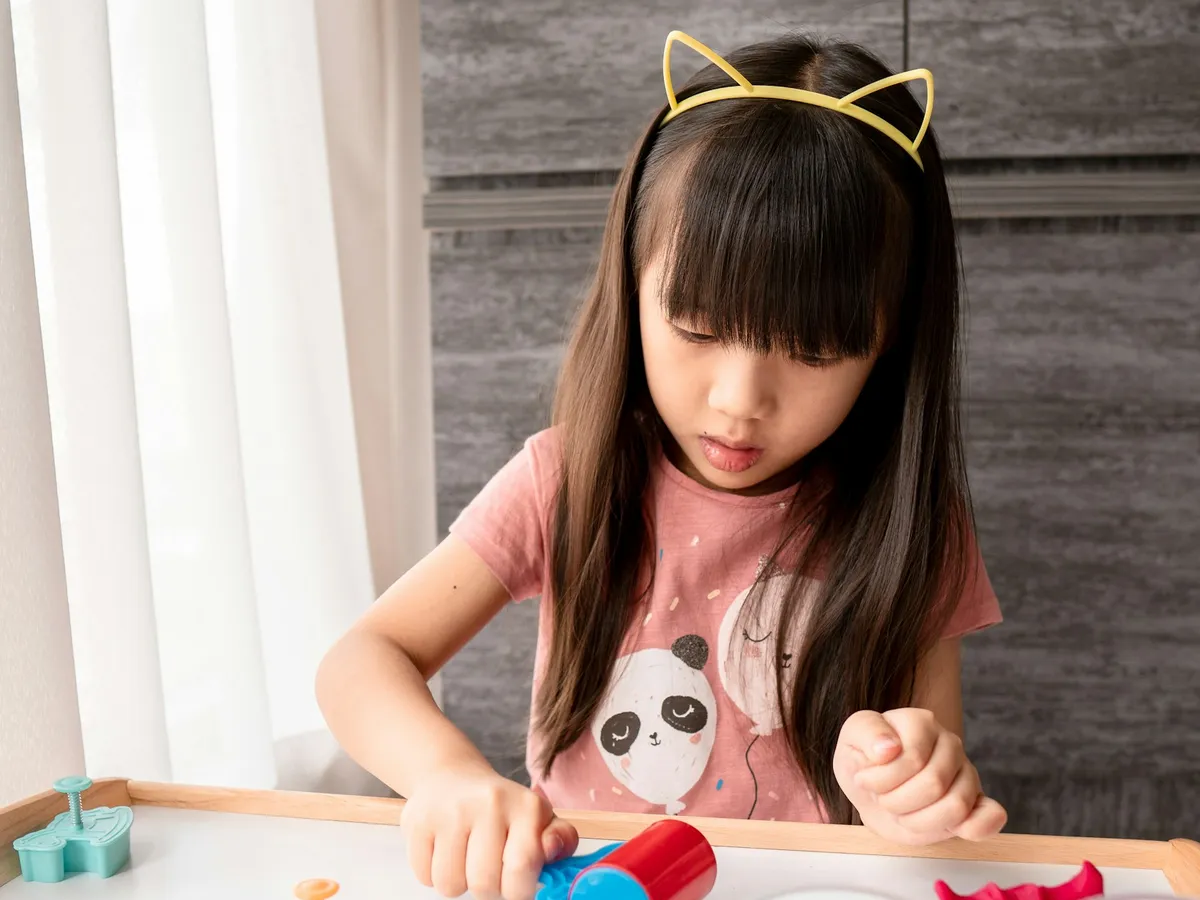
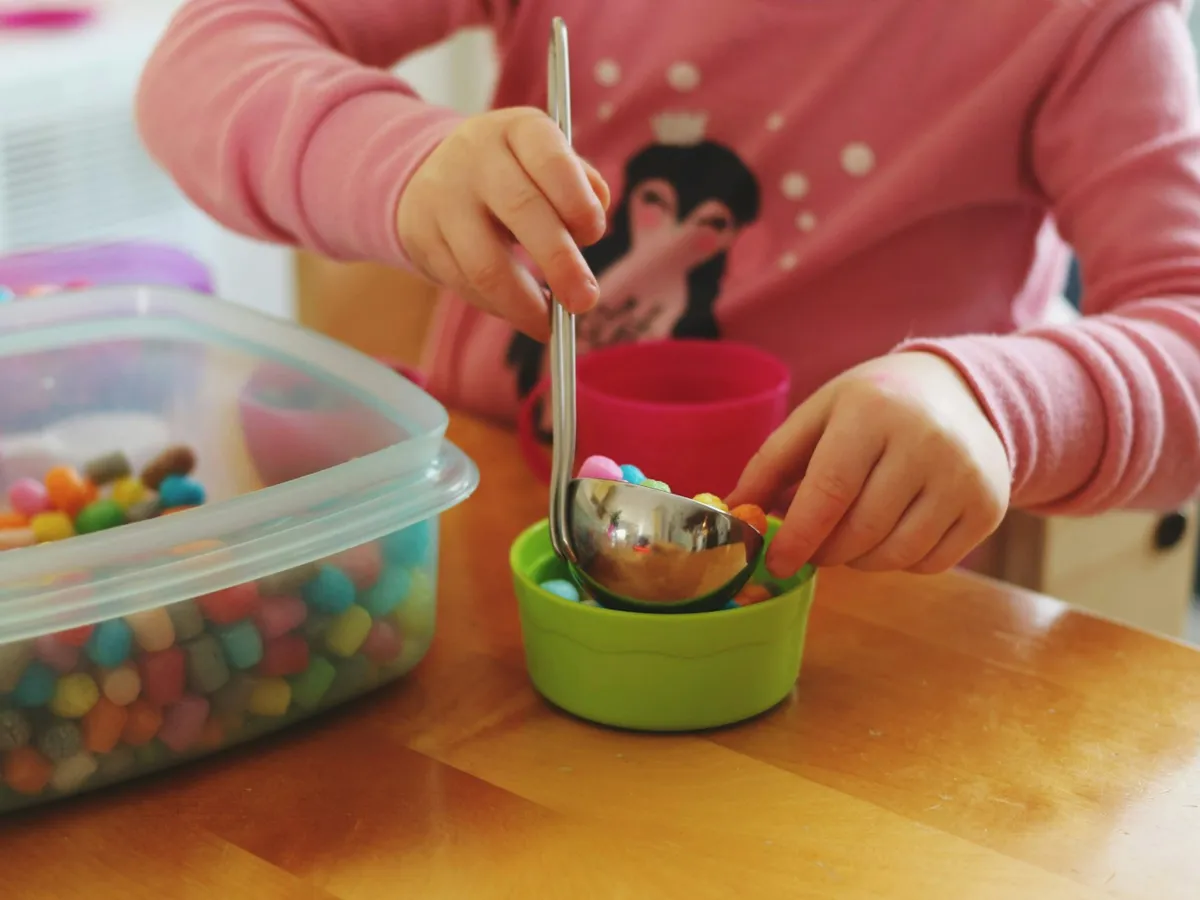
Get ready
Build a Christmas fine motor kit (in 10 minutes)
You don’t need special toys. Grab a shoebox or a basket, fill it once and you have a December’s worth of activities ready to pull out on cold afternoons, during cooking time or while you wrap gifts.
- Playdough (red, green and white, or homemade) and a few small cookie cutters
- Round stickers and a dot marker or two
- Child-safe scissors and a glue stick
- Pipe cleaners and O-shaped cereal or large beads
- Clothespins, kid tongs or tweezers
- Big pom-poms, jingle bells and a muffin tin or ice cube tray
- Yarn, tape and an old cereal box for lacing cards
- Ribbon scraps and a few small boxes for “wrapping practice”
- Chunky crayons (break a few in half: short crayons encourage a fingertip grip)
- Our free printable Christmas fine motor pack
⚠️ Small parts and little mouths
Pom-poms, beads, jingle bells, buttons and small candies are choking hazards for children under 3. HealthyChildren.org lists small objects among common choking risks for young children (HealthyChildren: choking prevention). For toddlers, use large items, stay within arm’s reach the whole time and put small pieces away afterwards. Choose washable, non-toxic art supplies labeled for children (HealthyChildren: choosing safe art supplies).
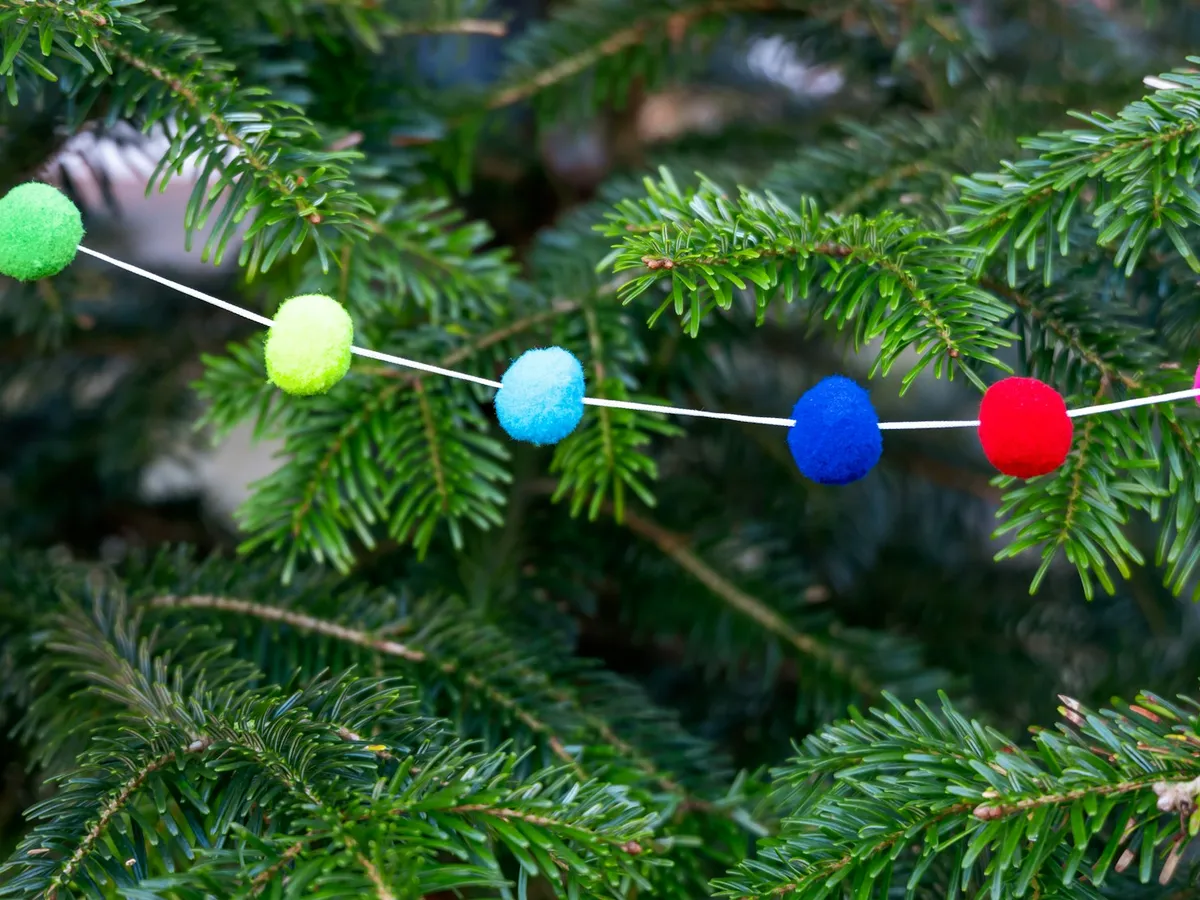
Ages 1–3
12 Christmas fine motor activities for toddlers (ages 1–3)
Toddler fine motor play is mostly about exploring: squishing, pulling, poking, peeling and dropping. These activities take 5 minutes to set up and use big, safe materials. Pick one or two a day, not all twelve; toddlers love to repeat a favorite.
- Sticker Christmas treeTape a big paper or felt tree to the wall or table. Your toddler peels round stickers and presses them on as “ornaments.” Peeling stickers is wonderful pincer practice. Page 3 of our free pack is made for this.
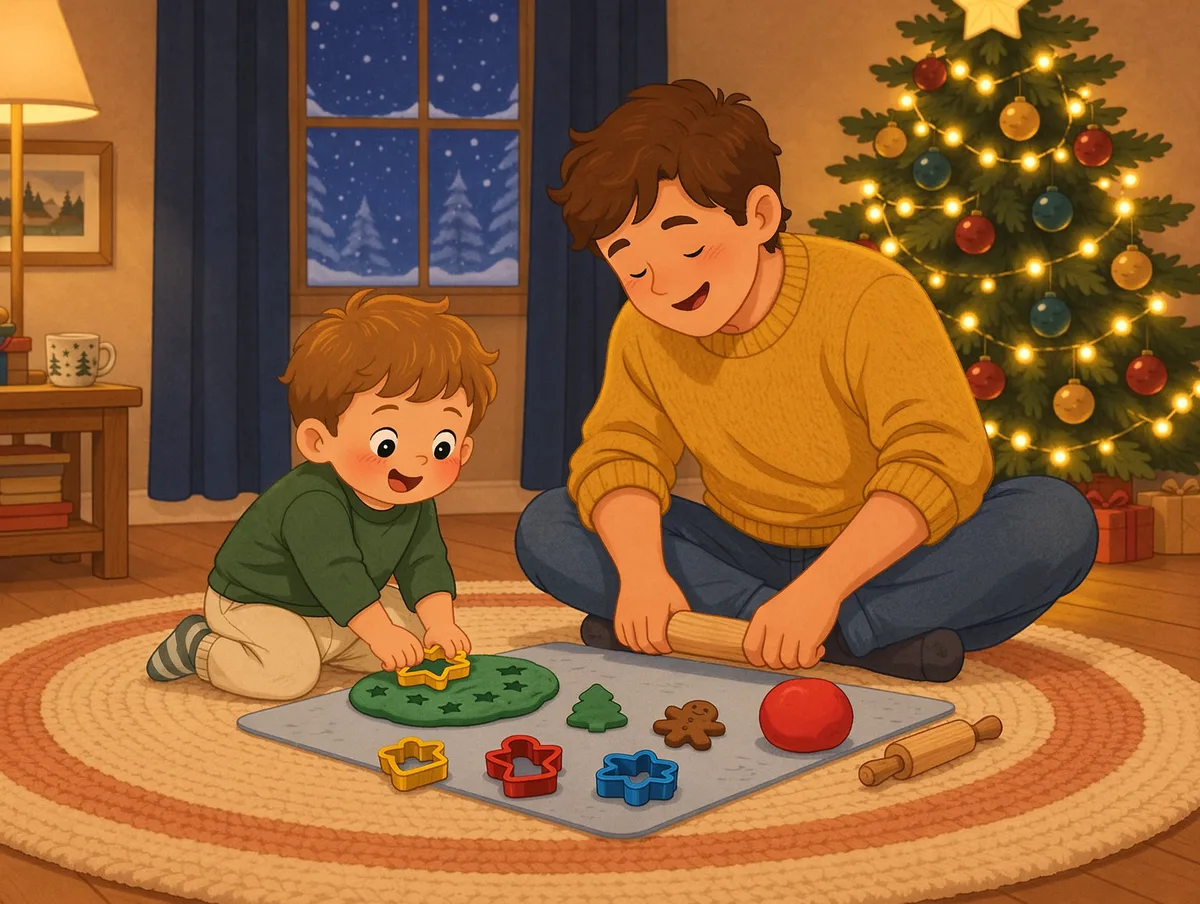
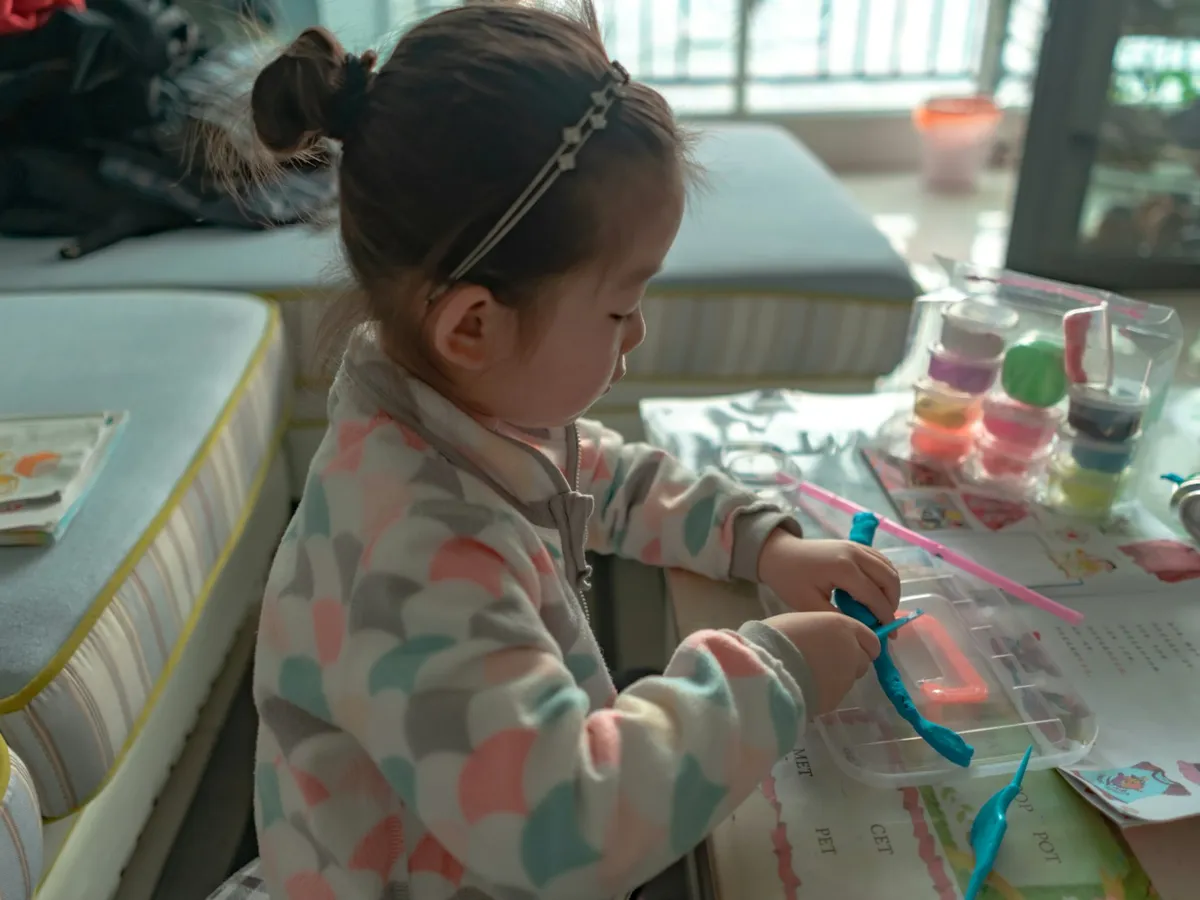
- Playdough cookie bakeryRoll out red and green playdough and press in small cookie cutters. Toddlers love the squish; you get a few minutes to finish the dishes.
- Lid post officeCut a slot in the lid of an oatmeal tub and wrap it in Christmas paper. Your child posts big plastic lids or cardboard “Christmas cards” through the slot, then opens the tub and starts again.
- Wrapping paper ripWrap empty boxes loosely and let your toddler tear the paper off. Ripping uses both hands and is pure joy for one-year-olds.
- Fingerprint ornamentsDraw a tree outline and let your child press painted fingertips on it for colorful ornaments. Wipe-up is quick with washable paint.
- Tissue paper treeLay clear contact paper sticky side up and let your toddler press on scrunched or torn tissue squares inside a tree shape. No glue needed.
- Big pom-pom pushCut holes in the lid of a plastic container and let your child push large pom-poms through. Count them as they disappear.
- Tape rescueStick small Christmas toys to a tray with painter’s tape. Your toddler peels the tape to “rescue” Santa, the reindeer and the elf.
- Ribbon pull boxPoke ribbons through holes in a tissue box, knot them inside and let your toddler pull them out, one by one.
- Dot marker treePrint the sticker tree and let your toddler stamp each circle with a dot marker. Easy, bold and very satisfying.
- Paint with a pine branchDip a small pine branch or a pinecone in washable green paint and dab it on paper to make “trees.”
- Ornament scoopFill a bin with shatterproof ornaments and give your toddler a big ladle or a pasta spoon to scoop them into a bowl.
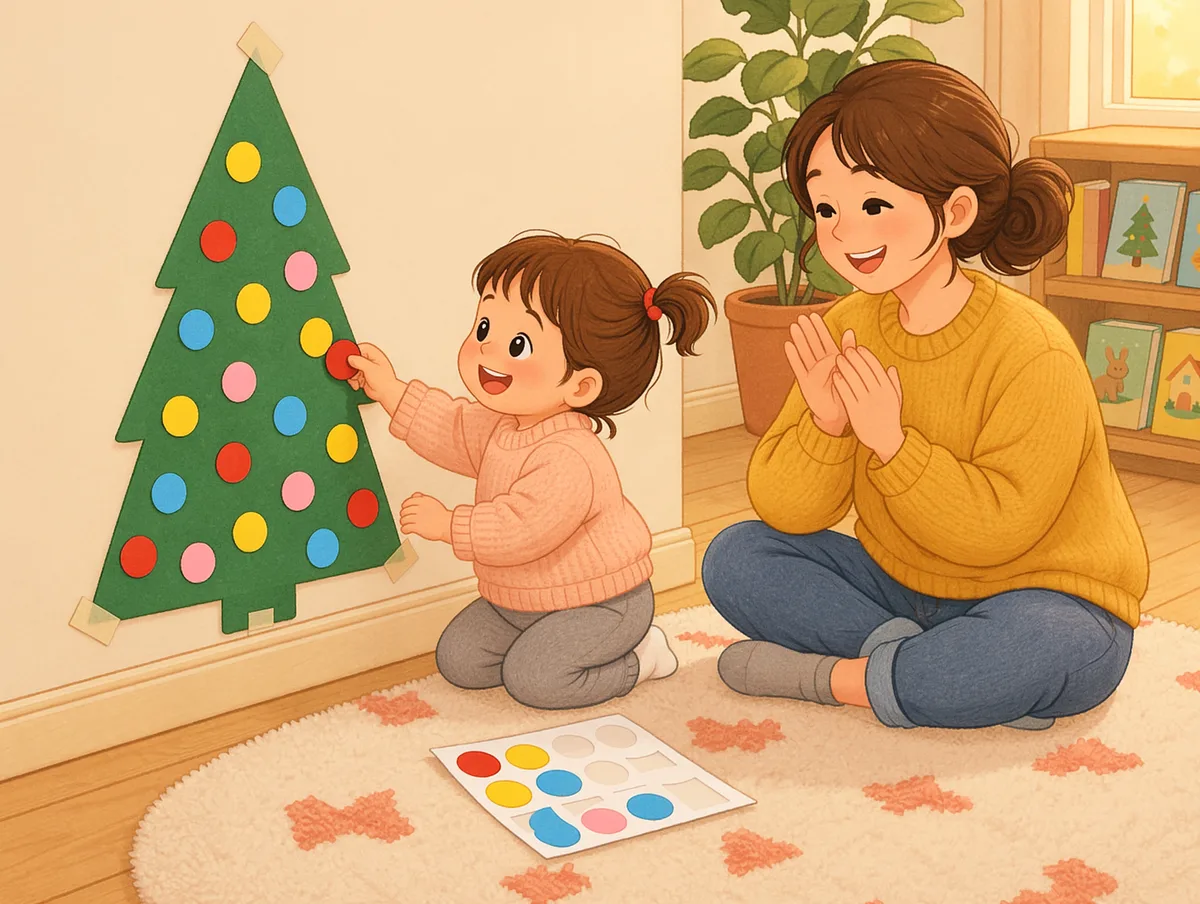
🧸 Put the activity at their height
Toddlers often work better standing up. Tape the sticker tree to a low window or the side of the fridge, or put the playdough tray on the coffee table. Moving their whole body helps them stay longer. Need more toddler ideas for cold days? See our indoor activities for 2-year-olds and Christmas sensory bin ideas.
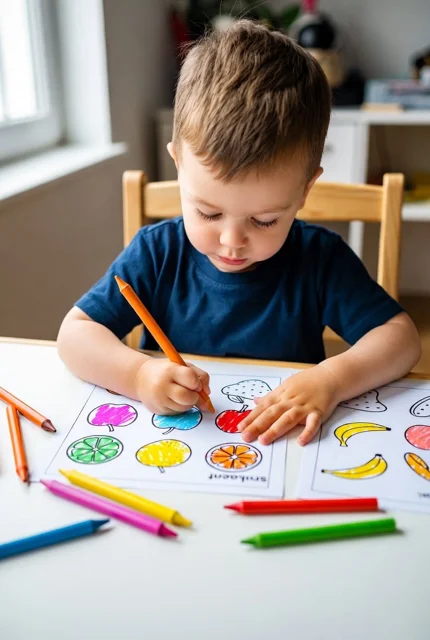
Want ready-made pages for every day?
Preschool Coloring & Activity Bundle (7 activity types, PDF)
Cut-and-paste worksheets for fine motor skills, symmetry tracing, color matching games and 100+ coloring pages (animals, A–Z and nature). Print as many times as you need for your family or classroom. $8.99 instant download on Payhip.
See it on Payhip →Our own book; we earn money if you buy it.
Ages 3–5
13 Christmas fine motor activities for preschoolers (ages 3–5)
Preschoolers are ready for tools: scissors, tongs, crayons, string and glue. These activities take 10 to 20 minutes and many end with something they can give or hang up, which preschoolers find hugely motivating.
- Cereal candy cane ornamentThread O-shaped cereal or large beads onto a pipe cleaner, then bend the top into a hook. The CDC notes that many 3-year-olds can string items like large beads or macaroni.
- Pom-pom tong sortGive your child kid tongs and a muffin tin. Sort red, green and white pom-poms into cups. Count each color at the end.
- Clothespin count cardsCount the ornaments on a card and clip a clothespin on the right number. Pinching builds the same muscles used to hold a pencil. Find the cards on page 7 of our pack.
- Ornament lacing cardLace yarn in and out of holes around a cardboard ornament. Step-by-step instructions are below, and the template is page 6.
- Snip a tree fringeCut a green paper triangle and let your child snip all around the edges to make a “fluffy” tree. Single snips are the first scissor skill.
- Cutting strips to the treeCut along straight, wavy and zigzag lines from an ornament to a tree (page 1 of our pack). Start with straight lines.
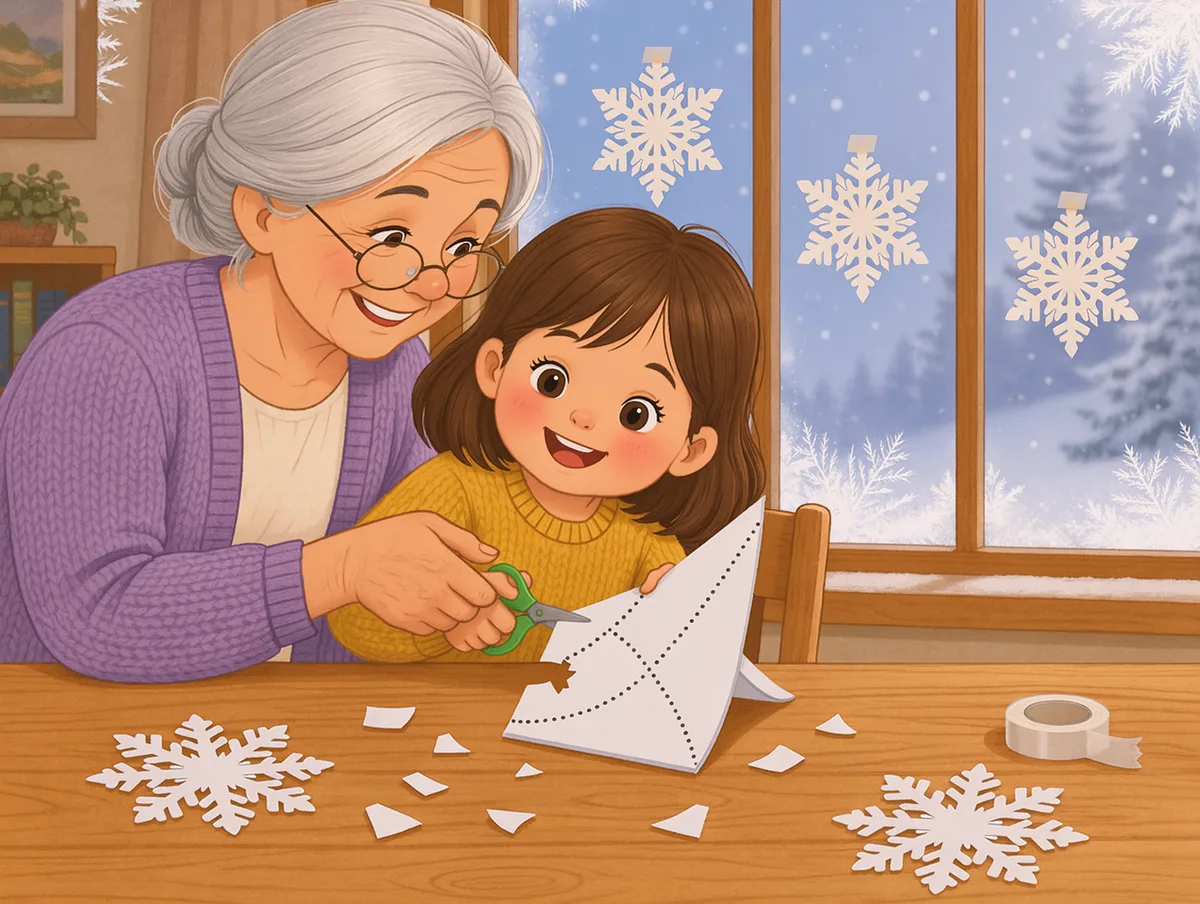
- Paper snowflakesFold a coffee filter or thin paper into a triangle and snip small shapes from the edges. Unfolding is the magic moment.
- Cookie sprinkle pinchDecorate sugar cookies with a pinch of sprinkles at a time. Pinching sprinkles is real-world pincer practice, and very motivating.
- Paper chain countdownCut strips, loop and glue them into a chain, then remove one link each day until Christmas. Pair it with our advent calendar activities.
- Trace the Christmas pathsTrace dashed paths from a star to the tree or a gingerbread friend to a stocking (page 4). Slide the page into a sheet protector for reuse.
- Wrap a tiny giftGive your child a small box, a sheet of paper and pre-torn tape pieces stuck to the table edge. Folding and taping is a big fine motor workout.
- Hang the ornamentsLet your child hang shatterproof ornaments on the low branches, or on a paper tree with hooks. Opening the hook and aiming takes real focus.
- Write a gift tagHelp your five-year-old write their name or “Love” on gift tags. The CDC notes many 5-year-olds write some letters in their name.
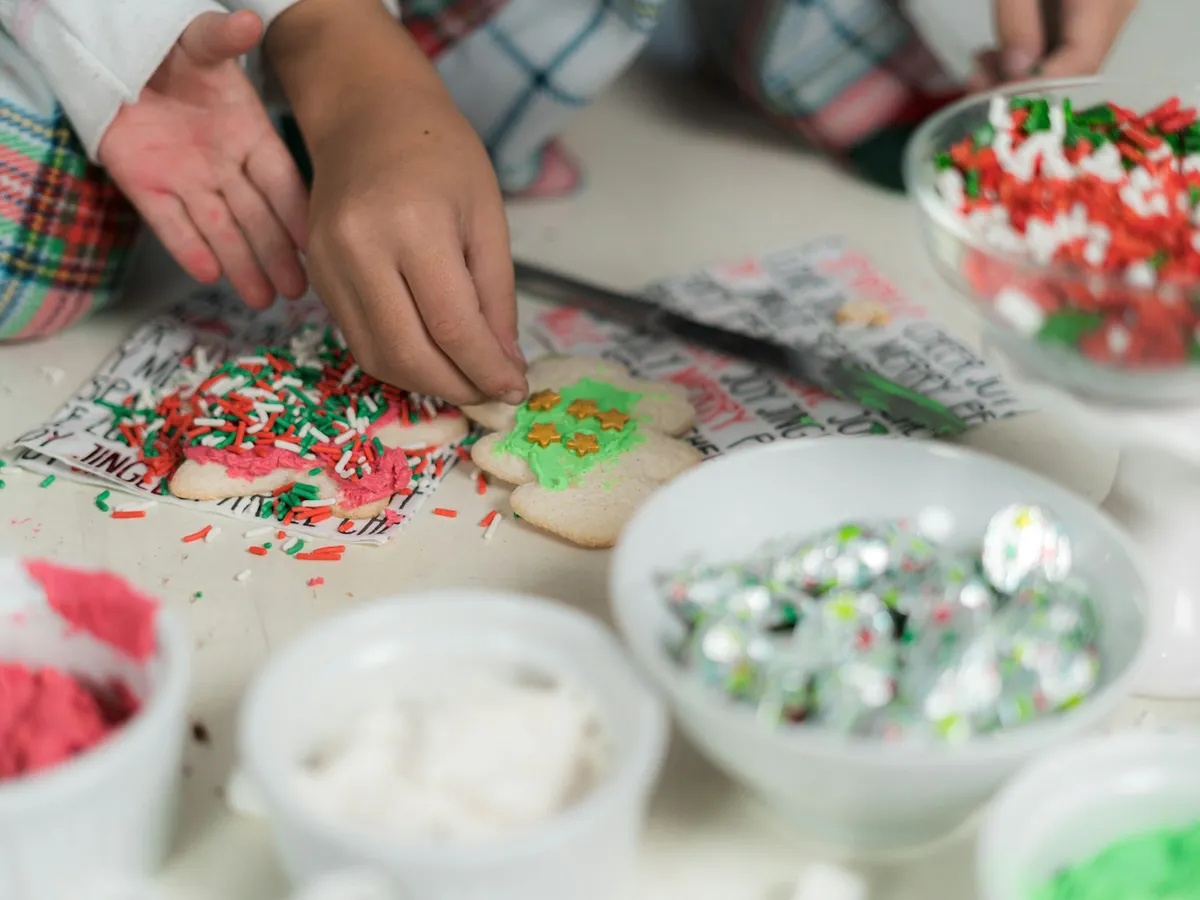
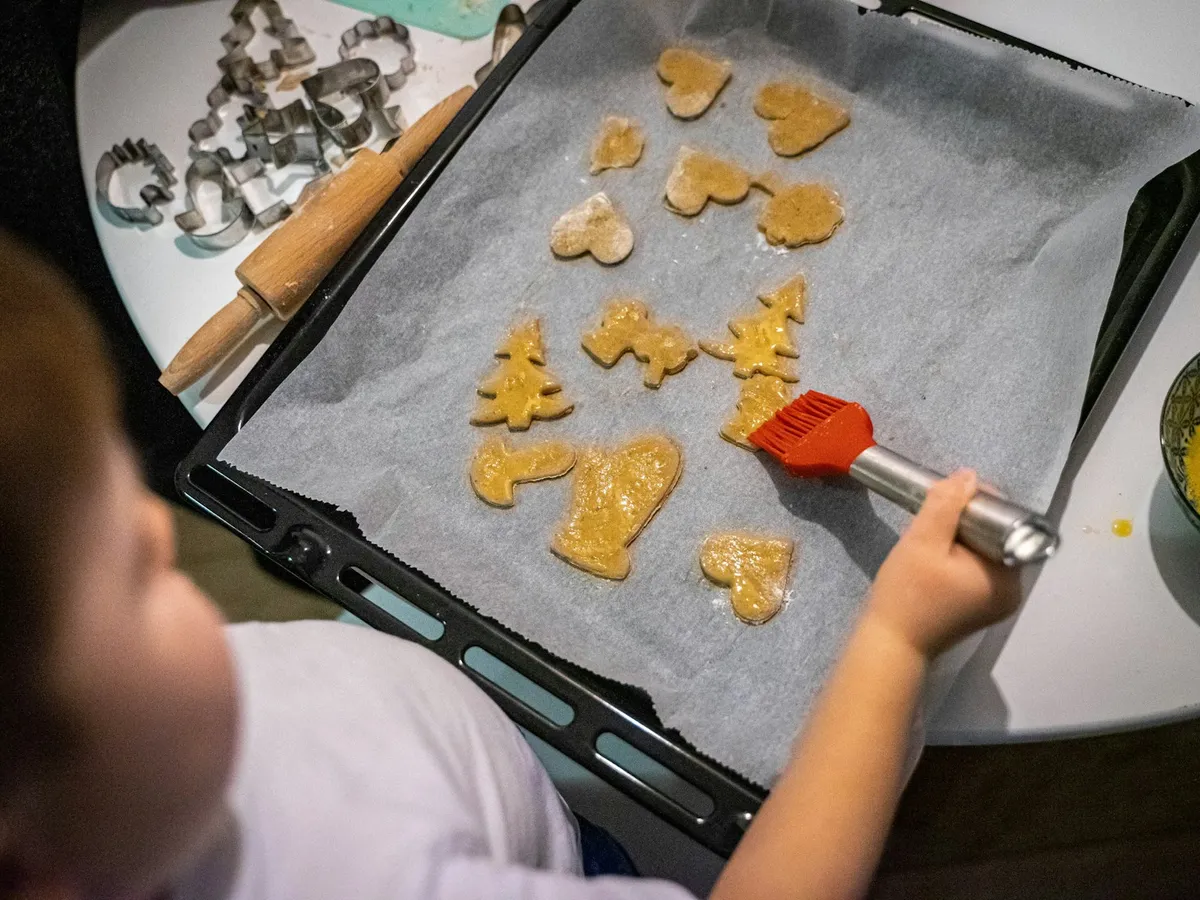
Turn any of these into a gift with our Christmas crafts toddlers can make for grandparents, and keep the counting going with our counting activities for preschoolers.

How to
Step by step: 3 favorite Christmas fine motor activities
1. Ornament lacing card (ages 3–5, 15 minutes)
- Make it sturdy. Print page 6 of our free pack and glue it onto an old cereal box. Let it dry for 10 minutes.
- Cut and punch. A grown-up cuts out the ornament and punches a hole through each circle.
- Make a “needle.” Cut a piece of yarn about an arm’s length and wrap tape tightly around one end. Tie the other end through the first hole.
- Lace. Show your child how to go in the front and out the back, around the ornament. Any pattern is fine, including crisscrosses.
- Hang it. Color the middle, tie the yarn into a loop and hang it on the tree.
2. Pinch-and-count clothespin game (ages 3–5, 10 minutes)
- Print and cut. Print page 7 and cut out the six count cards.
- Warm up. Let your child open and close a clothespin a few times. Show how the thumb and fingertips pinch together.
- Count and clip. Count the pictures on a card together, then clip the clothespin on the matching number.
- Make it harder. Ages 4–5 can clip all the wrong numbers instead, or make their own card on the blank space.
- Clean-up game. Clip all the clothespins onto the edge of a box or a paper plate wreath to finish.
3. Paper snowflakes (ages 4–5 with help, 15 minutes)
- Choose thin paper. Coffee filters or printer paper cut into a circle are easiest for small hands.
- Fold. Fold in half, then in half again, then once more into a narrow triangle. You may need to make the folds for younger kids.
- Snip. Let your child cut small triangles, half-circles and notches along the edges. Short snips are easier than long cuts.
- Unfold. Open it slowly together. Every snowflake is different, just like the real thing.
- Display. Tape snowflakes to a window. They make a lovely “we made this” moment for visitors.
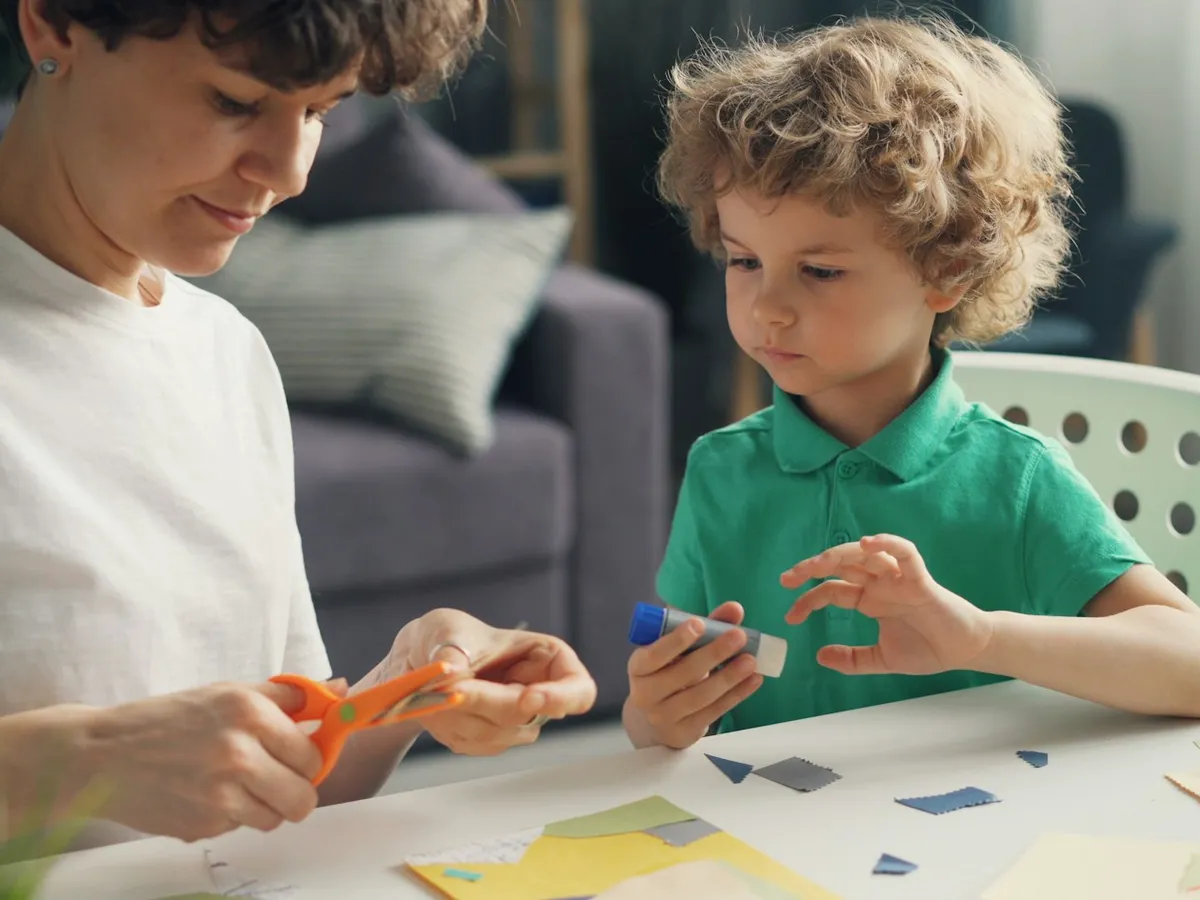
✂️ The scissor cue that works
Say “thumbs up!” Your child’s thumb goes in the small hole on top, fingers in the bigger hole, elbow close to the body. The other hand holds and turns the paper. If the scissors keep flipping, try snipping playdough snakes first: it’s easier than paper and very satisfying.
Real-life fixes
Troubleshooting: when fine motor play gets frustrating
Most struggles come from an activity being a little too hard, too long or at the wrong time of day. Small changes help a lot:
| When this happens | Try this | Why it helps |
|---|---|---|
| Holds the crayon in a fist | Offer short, broken crayons or tiny chalk pieces; color on a slanted surface like a binder or an easel | Small tools make a fingertip grip more natural |
| Scissors keep flipping upside down | Draw a smiley face on the thumb nail and say “smiley face on top” | A visual cue is easier to remember than words |
| Gives up after a minute | Do the first one together, then let them do the next “all by myself” | Shows the step without taking over |
| Wants it to look perfect | “I love how you chose those colors. Tell me about it.” | Praises effort and ideas, not perfection |
| Puts everything in their mouth | Switch to big stickers, playdough and fingerprint painting for now | Keeps play safe while skills grow |
| Hands get tired fast | Warm up with playdough or a spray bottle first; work for 5 minutes, then move | Hand strength builds gradually |
When should you check in with a professional? The CDC encourages parents to use its milestone checklists and to talk with the child’s doctor at every well-child visit, and to act early if there are concerns (CDC: milestones by 4 years). Your pediatrician can tell you whether an occupational therapy evaluation could help.
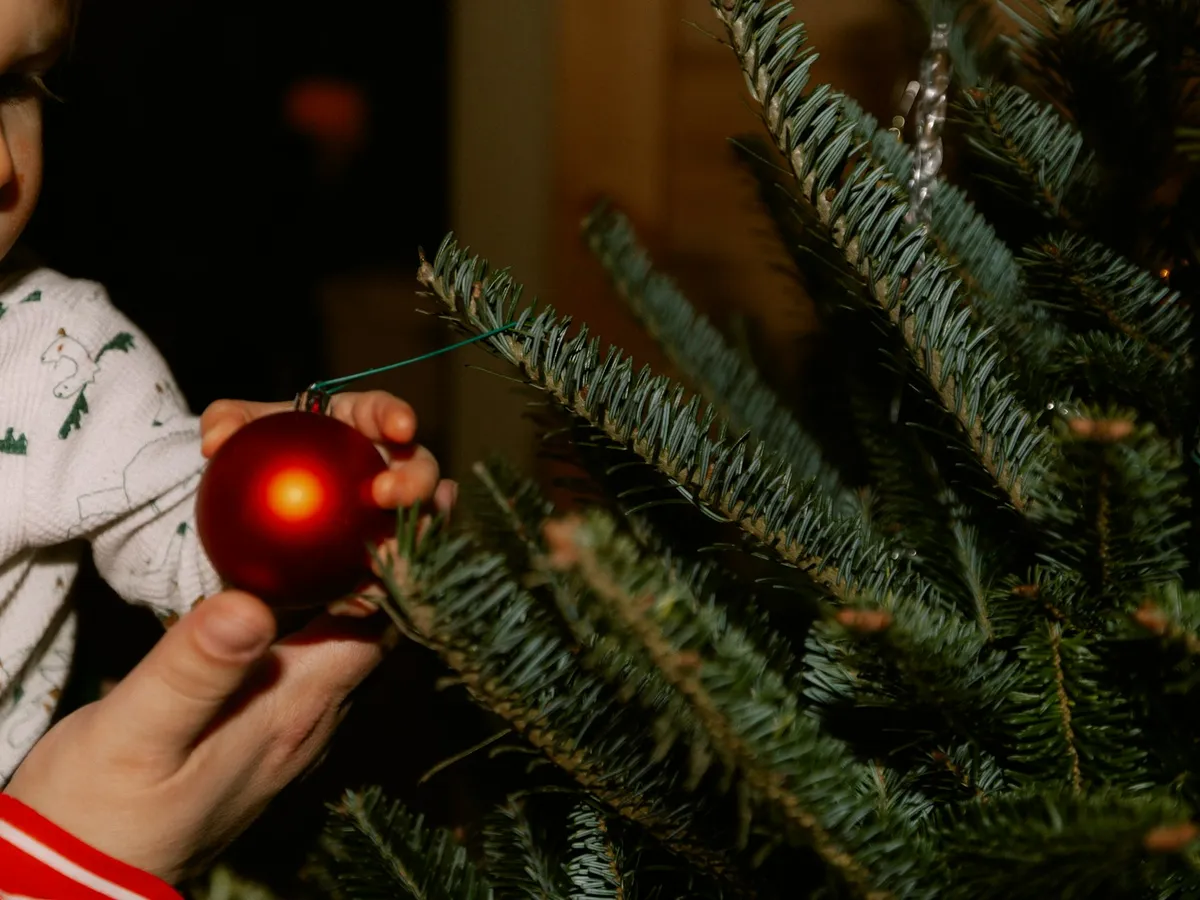
🎄 Tree and decoration safety
HealthyChildren.org suggests keeping breakable ornaments and trimmings with small removable parts out of young children’s reach, and warns that button batteries in light-up and musical decorations can cause serious injuries if swallowed (HealthyChildren: holiday decoration safety). Give little ones shatterproof or homemade paper ornaments for the low branches.
The plan
A 10-day Christmas fine motor plan (Thanksgiving week to December)
One activity a day, about 10 minutes each. It starts during Thanksgiving week (Thanksgiving is Thursday, November 26, 2026), so you have calm activities ready for cooking days and the long weekend. Skip, swap or repeat anything; this is meant to be fun, not homework.
| Day | Activity | Skill | From the free pack |
|---|---|---|---|
| 1 | Playdough tree and snowman | Hand strength | Page 5 |
| 2 | Sticker or dot marker tree | Pincer grasp | Page 3 |
| 3 | Pom-pom tong sort (great on cooking day) | Squeeze and release | — |
| 4 | Cutting strips to the tree | Scissor skills | Page 1 |
| 5 | Cereal candy cane ornament | Two hands together | — |
| 6 | Trace the Christmas paths | Pencil control | Page 4 |
| 7 | Cut-out ornaments, glued on the tree | Cutting and gluing | Pages 2 & 3 |
| 8 | Clothespin count cards | Pinch strength and counting | Page 7 |
| 9 | Ornament lacing card | Hand–eye coordination | Page 6 |
| 10 | Paper snowflakes or cookie sprinkles | Free choice | — |
Make it part of your holiday rhythm with our Christmas bucket list for kids and these Thanksgiving activities for toddlers at home. Traveling for the holidays? Pack the playdough mats and stickers from our toddler packing list for holiday travel.
📌 Save this plan
Pin this 10-day plan to your Christmas board on Pinterest now, so ten easy activities are ready on the next cold, busy afternoon. Sharing with your child’s preschool teacher or a grandparent? Send them the link to the free printable below.

Free printable
Free printable: Christmas fine motor pack (8 pages, PDF)
🎁 Free printable
ColorJoy Christmas Fine Motor Pack for Toddlers & Preschoolers
Page 1: cutting strips (straight, wavy, zigzag, castle road). Page 2: cut-out ornaments. Page 3: decorate-the-tree sticker and dot page. Page 4: trace the Christmas paths. Page 5: playdough mats (tree and snowman). Page 6: ornament lacing card. Page 7: clip-the-number count cards 1–5. Page 8: grown-up guide by age, supplies and safety. Free for personal and classroom use, no email needed.
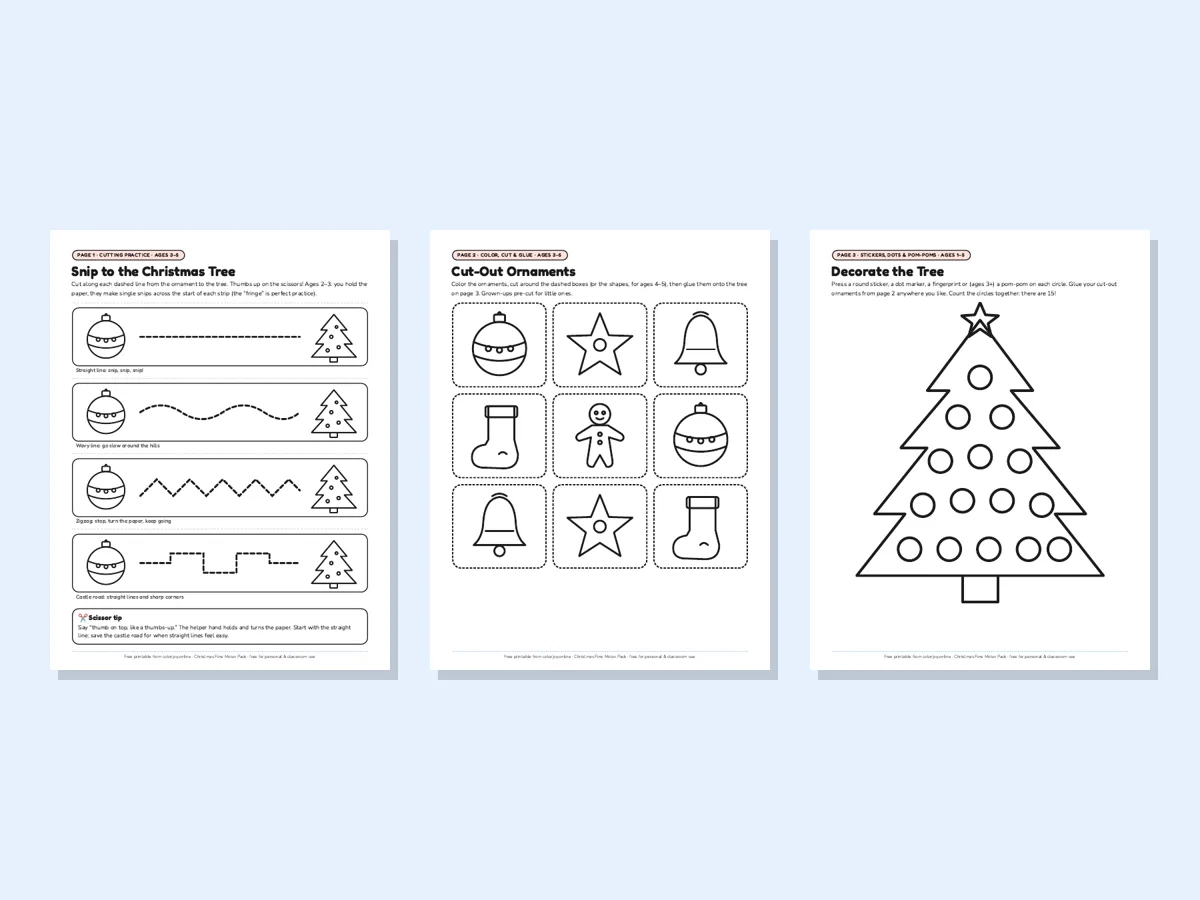
Download the free 8-page fine motor pack (PDF) →
Free for personal and classroom use. No email or sign-up needed.
Print on US Letter paper at 100% (or “fit to page”). For the lacing card and count cards, glue the page onto an old cereal box. Slide the tracing and playdough pages into a sheet protector to use them all month. Pin this page or share it with a friend. Want more December pages in the same bold style? Our Christmas worksheets for preschool are a free 10-page pack, and our Christmas coloring pages for toddlers are made for ages 1–3.
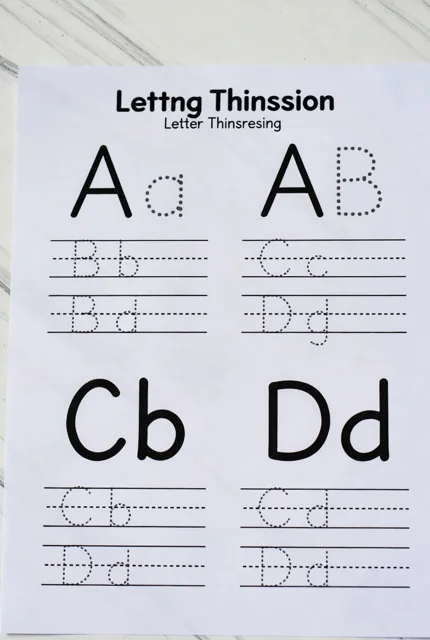
Ready for more pencil practice?
Tracing Worksheets for Kids: Lines, Shapes, ABC & Numbers (PDF)
Pre-writing patterns (standing, sleeping, slanting and zigzag lines), shape tracing, A–Z and number tracing, plus trace-and-color pages. Reprint them or use a dry-erase sleeve. $3.99 instant download on Payhip.
See it on Payhip →Our own book; we earn money if you buy it.
Your plan
What to do tonight (about 15 minutes)
Set it up once and you have a week of easy activities waiting.
3 minutes
Print the pack
All 8 pages, or just pages 1, 3 and 5 to start. Glue pages 6 and 7 onto cereal box card.
5 minutes
Fill the kit
A shoebox with playdough, stickers, child scissors, a glue stick, clothespins and a sheet protector.
4 minutes
Prep tomorrow’s activity
Tape the sticker tree to a low window, or put the playdough mat on a tray by the breakfast table.
3 minutes
Choose your words
Plan one invitation (“Want to decorate a tree with me?”) and one praise phrase (“You worked so hard on that!”).
💛 Be kind to yourself
Tomorrow, set out one activity and let your child discover it. If it doesn’t click, put it away without fuss and try another day. Some days the best fine motor activity is simply helping you stir the cookie dough.
Series
Come back for more free printables
We publish a new guide with a free printable every week, all through the holidays and winter break. More December ideas from ColorJoy:
- Gingerbread man activities for preschool (free printable)
- Shape activities for preschoolers
- How to teach a child to write their name
- Snow day activities for toddlers
- Winter break activities for kids at home
Find every guide on our activity ideas and free printables hub.
From the ColorJoy shelf
Our pick for cozy winter days: 100 Indoor Play Adventures
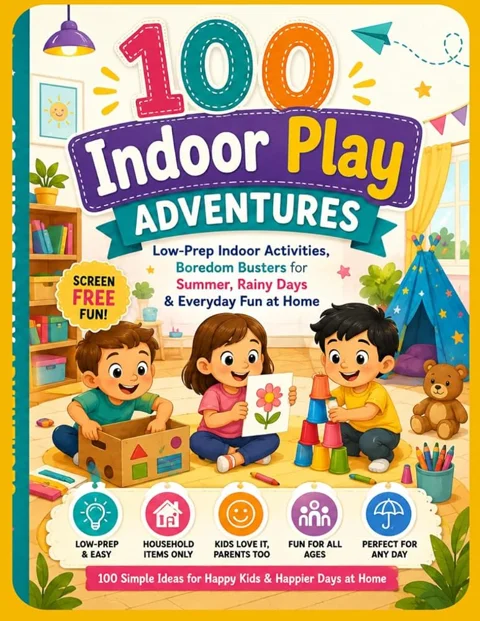
Our pick for ages 3–11
100 Indoor Play Adventures: Low-Prep Indoor Activities, Boredom Busters for Rainy Days & Everyday Fun at Home
100 screen-free indoor activities that need almost no setup and use everyday household items, from energy-burning games to calm-down ideas. Large-print paperback, 53 pages, 8.5 x 11 inches.
$14.99paperback · Amazon.com
Our own book; we earn money if you buy it. Price as listed on Amazon.com when we checked on 18 November 2026; please confirm on the product page.
Why it’s our pick: fine motor play works best as part of a full day of play, and winter break is long. This book is written for exactly those “I’m bored!” moments, snow days and quiet afternoons: open any page and start playing with what you already have at home. It makes a practical stocking stuffer for families with kids from preschool through elementary school, and a thoughtful gift for grandparents who host little ones over the holidays.
Browse the Mr A G author store on Amazon for all our coloring and activity books, or get the Kids Printable Mega Bundle on Payhip ($14.99): printable coloring pages, tracing worksheets and ABC flashcards to print all winter. Full printable store: payhip.com/BookBonbon.
📚 Related books from ColorJoy
If this topic is on your mind, these titles from our own shelf fit well alongside it.
Preschool Coloring & Activity Bundle (printable PDF)
Cut-and-paste worksheets, symmetry tracing and 100+ coloring pages to print all winter.
$8.99 printable PDF on Payhip · Instant PDF download; print at home
Tracing Worksheets: Lines, Shapes, ABC & Numbers (printable PDF)
Pre-writing lines, shapes, letters and numbers: the next step after our tracing paths.
$3.99 printable PDF on Payhip · Instant PDF download; print at home
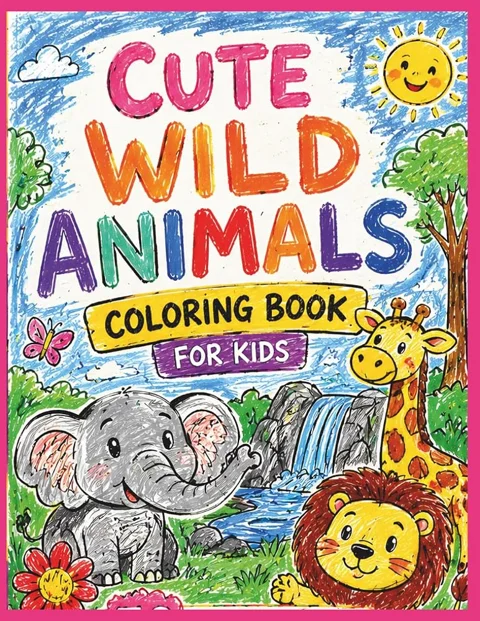
Cute Wild Animals Coloring Book (Ages 4–8)
Bold, easy wild animals with thick lines: relaxing coloring that builds crayon control.
$12.99 paperback on Amazon.com · Paperback, shipped by Amazon
These are our own books and printables, and we earn money if you buy them. Prices as listed on Amazon.com and Payhip when we checked on 18 November 2026; prices can change, so please confirm on the product page.
Frequently asked questions
What are Christmas fine motor activities?
Christmas fine motor activities are festive, hands-on activities that build the small muscles of the fingers and hands, such as peeling stickers onto a paper tree, rolling playdough ornaments, threading cereal garlands, lacing an ornament card, cutting paper snowflakes and pinching sprinkles onto cookies.
What are good Christmas fine motor activities for toddlers?
Good choices for toddlers (ages 1–3) include a sticker Christmas tree, playdough with cookie cutters, tearing wrapping paper, fingerprint ornaments, a contact-paper tissue tree, pushing big pom-poms through a lid and peeling painter’s tape off small toys. Use large pieces and supervise closely.
What are good Christmas fine motor activities for preschoolers?
Preschoolers (ages 3–5) enjoy cereal candy cane ornaments, pom-pom sorting with tongs, clothespin counting cards, ornament lacing cards, cutting strips and paper snowflakes, tracing Christmas paths, wrapping small gifts and writing gift tags.
Is there a free Christmas fine motor printable?
Yes. The free ColorJoy Christmas Fine Motor Pack is an 8-page PDF with cutting strips, cut-out ornaments, a sticker tree, tracing paths, playdough mats, an ornament lacing card, clip-the-number count cards and a grown-up guide. No email sign-up is needed.
How long should fine motor activities last for a toddler?
For toddlers, 5–10 minutes is plenty, and preschoolers often enjoy 10–20 minutes. Stop while your child is still having fun; short daily sessions build skills better than one long session.
How does playdough help fine motor skills?
Squishing, rolling, pinching and pressing playdough strengthens the hand and finger muscles. The CDC suggests playdough play for 3-year-olds because it builds the muscles used for writing, buttoning and cutting.
When can kids start using scissors?
Many children start making simple snips with child-safe scissors around age 3, with close supervision, and the CDC suggests keeping child scissors in a creative-play box for 5-year-olds. Start with single snips on paper strips or playdough, then move to straight lines, curves and zigzags.
Are pom-poms and jingle bells safe for toddlers?
Small items like pom-poms, beads, jingle bells and buttons can be choking hazards for children under 3. For toddlers, use large items that can’t fit in the mouth, stay close the whole time and put small pieces away after play.
Happy making, and merry Christmas 🎄
ColorJoy makes bold, easy coloring books, activity books and free printables for little hands, plus practical guides for real family life. We hope these Christmas fine motor activities bring you a few calm, giggly, sticker-covered moments with your little one this season, and stronger, more confident hands by the new year. We add a new free printable every week through winter break, so come back soon.
For the long winter break ahead, our pick is 100 Indoor Play Adventures.
See 100 Indoor Play Adventures on Amazon →
More December fun: Christmas Eve box ideas for toddlers, stocking stuffers for toddlers and quiet time activities for 3-year-olds.
Photos: Unsplash (Unsplash License). Illustrations: AI-generated for ColorJoy. Book images and printable art: ColorJoy / Mr A G. Milestones vary and are not a test; talk with your pediatrician if you have concerns about development.