Free printable • Ages 2–4 • Early literacy
Alphabet Activities for Toddlers: 30 Gentle Ways to Explore Letters Ages 2–4 (+ Free Printable Pack)
You want alphabet activities for toddlers that feel like play — not drills at the kitchen table. This guide gives you 30 gentle letter activities for ages 2–4, an age-by-age guide grounded in CDC milestones, a simple weekly rhythm, and a free 5-page printable pack with letter coloring, tracing starters, a scavenger hunt, match cards and a habit checklist.
🌟 By the end of this page you’ll have…
- 30 alphabet activities for toddlers that use toys, snacks, songs and everyday moments
- what letter play looks like at 2, 3 and 4 (without comparing kids)
- a short weekly rhythm you can keep during busy seasons
- gentle language tips when letters feel frustrating
- a free 5-page printable pack for tonight
🎨 New here? Hi, we’re ColorJoy
ColorJoy makes bold, easy coloring books and free printables for little hands, plus practical guides for real family life. Letter play should feel warm, short and repeatable — more like singing in the car than sitting for a quiz. If you want phonics next, see our how to teach letter sounds to preschoolers. For name writing later, try how to teach a child to write their name.
Real-life moments
Sound familiar?
Letter learning with toddlers has a few classic stuck points.
The flashcard flop
You bought cute cards. Your toddler threw them and asked for trucks.
Try this: use letters on trucks, fridge magnets and scavenger hunts. Cards can wait until interest shows.
The comparison spiral
A cousin knows every letter. Your 3-year-old knows M for Mommy and that is it.
Try this: letter knowledge spreads out widely. Play is the path; pressure is not.
The tracing tears
You printed a worksheet. Someone cried after two lines.
Try this: start with sensory and gross-motor letters. Tracing comes after joy, not before.
Why it matters
Why playful alphabet time helps (and drills often do not)
Toddlers learn letters the way they learn faces and favorite books: through repetition that feels good.
- Letters are shapes first. Pointing, matching and sorting build visual skills before pencil work. Fine motor play supports later writing; the CDC suggests crayons and art tools in its 3-year tips and 4-year tips.
- Name letters beat random lists. M for Mommy and the first letter of your child’s name stick faster than drilling Q.
- Songs and stories carry the load. Alphabet songs and picture books give exposure without a “lesson.”
- Short beats long. Five joyful minutes beat a 20-minute worksheet battle.
- Interest is the green light. Follow what they notice on signs, cereal boxes and books.

Age guide
What alphabet play looks like at 2, 3 and 4
These are friendly ranges, not deadlines. The CDC milestone lists focus on language, play and motor skills — not “knows all 26 letters by age X.”
| Age | What often shows up | Best alphabet activities | Skip for now |
|---|---|---|---|
| 2 | Points to pictures in books; follows simple directions; loves songs and repetition (2-year milestones) | Alphabet songs, letter baths with foam letters, finding the first letter of their name on a fridge magnet | Worksheets, timed drills, correcting every mix-up |
| 3 | Talks in sentences; enjoys pretend play; may draw a circle when shown (3-year milestones) | Letter scavenger hunts, matching two same letters, sensory bins, simple name puzzles | Expecting lowercase mastery; long tracing pages |
| 4 | Holds crayon with fingers more often; draws a square when shown; plays cooperatively (4-year milestones) | Tracing starters, letter crafts, beginning sounds in play, sorting letters into “in my name / not” | Shame for reversals (b/d) — still common |
💡 Start with THEIR letters
Post the letters in your child’s name at eye level. Celebrate every notice. The rest of the alphabet will feel less like a mountain.

Ideas
30 alphabet activities for toddlers
Pick by energy and mess. Star five for this week only.
- Alphabet song with motionsSing slowly; clap on the letter of the day. Ages 2–4.
- Fridge magnet huntHide 5 magnets; find them together. Ages 2–4.
- Name letter spotlightPut the first letter of their name on the table at breakfast. Ages 2–4.
- Letter bathFoam letters on the tub wall. Ages 2–4.
- Sensory bin lettersBury plastic letters in rice or dry beans; scoop and name. Ages 2–4. Supervise mouthing.
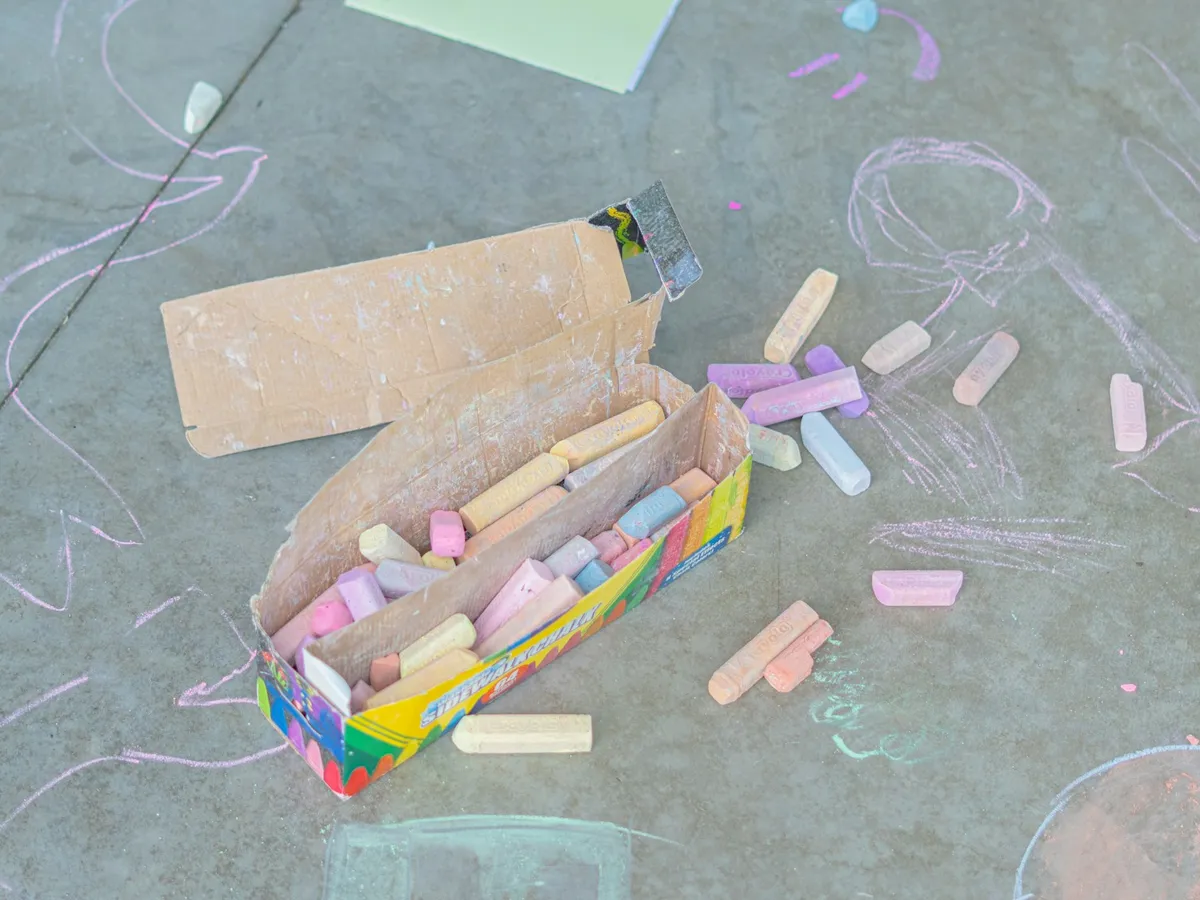
- Driveway chalk lettersWrite 3 huge letters; walk them like a path. Ages 2–4.
- Sticker letter matchDraw a big A; cover it with A stickers. Ages 2–3.
- Cereal box detectiveFind letters on breakfast boxes. Ages 3–4.
- Parking lot lettersTape paper letters on the floor; “park” toy cars on M. Ages 2–4.
- Playdough snakes into lettersRoll snakes; shape into O, L, I first. Ages 3–4.
- Alphabet puzzle (knob)One letter at a time. Ages 2–4.
- Letter hopscotch3–4 letters on paper plates; hop and say. Ages 3–4.
- Book letter walkPoint to one letter on each page of a favorite book. Ages 2–4.
- Snack lettersCrackers or fruit pieces into L or T (grown-up shapes). Ages 2–4.
- Post office pretend“Mail” a letter card to stuffed animals. Ages 3–4.
- Shadow letter huntTape letters under chairs/tables; flashlight find. Ages 3–4.
- Upper/lowercase twins (later)Match A/a for 2–3 pairs only. Ages 4.
- Nature letter walkFind sticks that look like Y or V. Ages 3–4.
- Laundry letter sortSort socks onto paper letters (S for sock). Ages 3–4. Silly is fine.
- Magnetic fishing lettersPaper clips on laminated letters; magnetic wand. Ages 3–4. Supervise magnets.
- Letter of the week trayOne letter + 3 objects that start with it (ball for B). Ages 3–4. Keep it playful.
- Tracing in sand/salt trayFinger trace big letters. Ages 3–4. Pre-pencil gold.
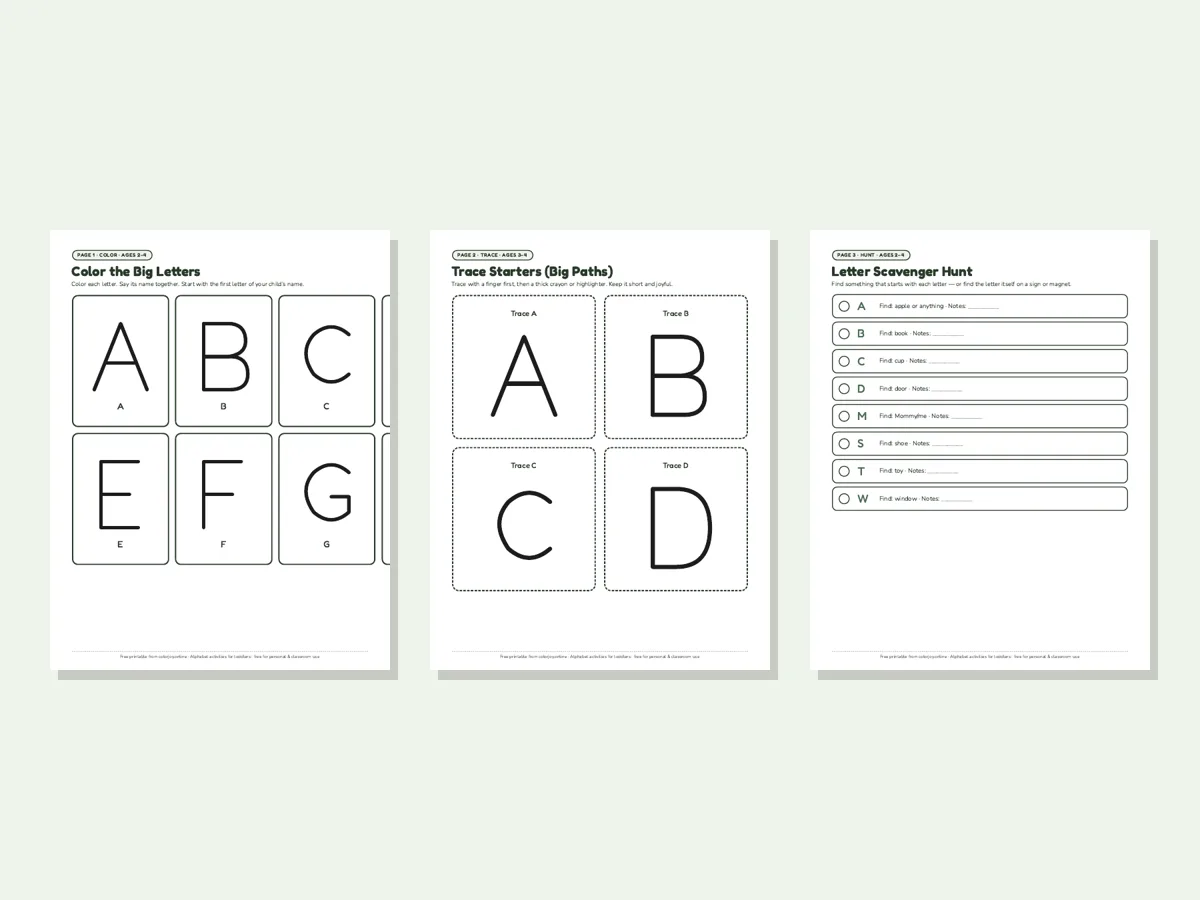
- Highlighter tracing (starter)Grown-up writes big letter; child traces with highlighter. Ages 3–4. Use free pack page 2.
- Alphabet scavenger cardFind something that starts with… (picture support). Ages 3–4. Free pack page 3.
- Match cardsMatch letter to letter. Ages 2–4. Free pack page 4.
- Body lettersMake C with arms; T with body. Ages 2–4.
- Sticky note door lettersPut 3 sticky letters on the door; peel as you leave. Ages 2–4.
- Song swapReplace a line of a favorite song with letter names. Ages 2–4.
- Quiet time letter binBin with 5 letters + crayons + paper. Ages 3–4. See quiet time activities.
- Celebration wallTape every letter they recognize this month. Ages 2–4. Grow the wall slowly.

Want ready-made letter cards?
Animal Alphabet Flashcards (Printable PDF)
Three A–Z animal flashcard sets for toddlers about ages 2–6 — print, cut and play. $3.99.
See it on Payhip →Our own book; we earn money if you buy it.

Weekly plan
A gentle weekly alphabet rhythm
You do not need a curriculum binder. You need a repeatable cozy habit.
| Day | 5–10 minute idea | Why |
|---|---|---|
| Mon | Song + name letter spotlight | Starts the week with joy |
| Tue | Fridge or room scavenger | Movement + noticing |
| Wed | Sensory bin or playdough | Hands-on shape sense |
| Thu | Book letter walk | Connects letters to stories |
| Fri | Free printable page (color or match) | Light “schoolish” fun |
| Weekend | Chalk outdoors or letter hop | Big body learning |
Pair with shape activities for preschoolers and counting activities for preschoolers so early learning stays varied.
Language
What to say when letters get sticky
- “You found an M! M looks like mountains.” (describe the shape)
- “That one is tricky. Want to try together?” (offer help, not a quiz)
- “You know the letter in your name. That is a big deal.” (celebrate identity)
- “Letters can flip around while we learn. Brains do that.” (normalize reversals)
- Stop while it is still fun. End on a win, even a tiny one.
💡 Follow interest, then stretch
If they love dinosaurs, find D on a book spine. Interest is the on-ramp; your job is to notice and name.
Mix-ups
Common letter mix-ups (and calm fixes)
Mix-ups are not failure. They are how brains sort shapes.
| Mix-up | What helps | What to skip |
|---|---|---|
| b / d | Make both with playdough; emphasize the bat-then-ball story lightly | Quizzes and red pens |
| M / W | Build with sticks; walk the mountain shape | Rushing to worksheets |
| Only knows name letters | Celebrate — that is the best on-ramp | Drilling the rest of the alphabet cold |
| Refuses tracing | Finger in sand/salt; giant chalk; come back later | Forcing pencil grip too early |
| Wants screens for “ABCs” | One short song video, then fridge magnets | Passive alphabet apps for long stretches |
If you are worried about speech, hearing or learning, talk with your child’s clinician. This guide is play, not an assessment. Pair letter play with fine motor activities for 3-year-olds so hands stay strong for later writing.
Real life
Alphabet play in real homes (tiny spaces welcome)
You do not need a classroom wall. You need a few magnets and permission to keep it short.
- Keep a “letter cup” of 5–8 magnets on the fridge — rotate weekly.
- Use the car: “What letter is on that sign?” on short trips (see also road trip activities for toddlers).
- Restaurant kit: 3 letter cards + crayons (see restaurant activities for toddlers).
- Quiet time bin: letters + paper + stickers for independent peek-in play.
- One letter of the week is plenty — drop it if life gets loud.
💡 Multilingual homes
If your family speaks more than one language, celebrate letters in both. Toddlers can hold more than one alphabet story.
Readiness
Signs they may be ready for more (sounds and writing)
Interest is the green light. Age alone is not.
- They ask “what does that say?” on signs and books.
- They point out letters in their name without being prompted.
- They enjoy matching games for more than a minute.
- They choose letter toys during free play.
- They want to “write” grocery lists (scribbles count).
When curiosity shows, move toward letter sounds for preschoolers and gentle name writing. Until then, keep the joy.
Supplies
A simple alphabet play kit
Ten minutes to gather. Years of reuse.
- Fridge magnets (uppercase is fine to start)
- Sidewalk chalk
- Playdough
- A shallow bin + dry rice or beans (supervised)
- Chunky crayons and blank paper
- Painter’s tape
- A few alphabet books from the library
- Our free printable pack in a dry-erase sleeve
Store it in one basket. When energy is low, pull the basket — not a curriculum PDF rabbit hole. For more screen-free baskets, see indoor activities for 2-year-olds and printable busy book for 3-year-olds.
Books
Using books as your main alphabet curriculum
If you only do one thing, read. Letters hide in every picture book.
- Point to the title letters as you open the book.
- Find the first letter of your child’s name somewhere on a page.
- Let them “read” the pictures while you supply the words.
- Reread favorites — repetition is the feature, not a bug.
- Visit the library alphabet shelf without buying more stuff.
Books build language the CDC milestone pages celebrate: pointing, naming, and enjoying stories together. Keep letter talk warm and brief so the story stays the star.
Pressure
Protecting joy when other parents compare
Preschool tours and playground chats can make letter knowledge feel like a race. It is not.
- Your job is curiosity, not flashcard speed.
- Schools teach letters with trained teachers — you are building love of print.
- If a comment stings, return to your weekly rhythm and your child’s smile.
- Celebrate non-letter wins too: kindness, climbing, pretending, sleeping.
💡 A line you can borrow
“We’re playing with letters when she’s interested. She’s loving books right now.” That is a complete, confident answer.
Free printable
Free printable: Alphabet activities pack for toddlers (5 pages)
🎁 Free printable
ColorJoy Alphabet Activities Pack for Toddlers
Page 1: color 8 big letters. Page 2: trace starters (A–D style paths). Page 3: letter scavenger hunt. Page 4: match cards. Page 5: weekly habit checklist for grown-ups with CDC-friendly notes.
Download the free 5-page alphabet pack (PDF) →
Free for personal and classroom use. No email or sign-up needed.
Print on US Letter. Slip tracing pages into a dry-erase sleeve to reuse. More free ideas in our activity ideas hub.
Reminder
One more gentle reminder
Alphabet activities for toddlers work best when nobody is grading anybody. If today was a hard day, skip the letters and read a favorite book instead. Tomorrow the magnets will still be on the fridge, and your child will still be learning every time you talk, sing and point at the world together.
Your plan
What to do tonight (about 15 minutes)
Start letter play without a curriculum.
3 minutes
Print pages 1 and 4
Color letters + match cards.
2 minutes
Put 3 fridge magnets out
Include the first letter of their name.
8 minutes
Play
Hunt magnets, then color one letter together.
2 minutes
Cheer and stop
Tape the page at child height.
💛 Be kind to yourself
Joy first. Mastery later. Tomorrow you can try one fridge magnet hunt and call it a win — that is real alphabet learning for toddlers.
From the ColorJoy shelf
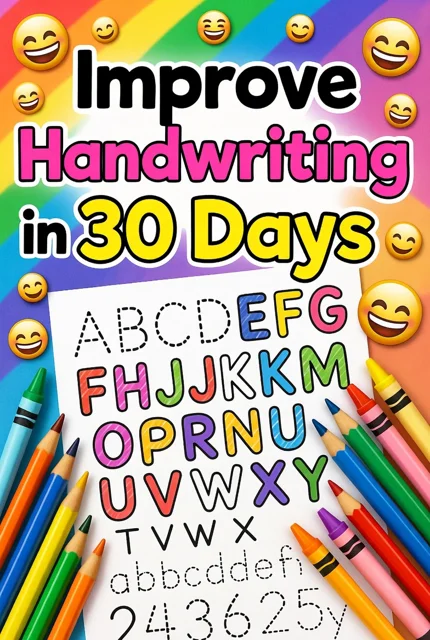
Our printable pick for letter practice: Alphabet & Number Tracing Worksheets
Our pick for gentle tracing
Alphabet & Number Tracing Worksheets PDF | Preschool & Kindergarten
Picture alphabet pages, big uppercase tracing, lowercase with stroke arrows, and numbers 1–10. Instant download of 3 PDFs — print as many times as you need.
$3.99printable PDF · instant download
Our own book; we earn money if you buy it. Price as listed on Amazon.com when we checked on 26 October 2026; please confirm on the product page.
Why it’s our pick: when your toddler starts asking to “do letters,” you want thick, friendly pages — not tiny fonts. Use picture pages first, then big tracing, then lowercase. Ten minutes is enough.

When they are ready for sounds
Phonics Practice Workbook for Kids Ages 4–6
Fun letter-sound practice for preschool and kindergarten readiness. Paperback. $12.99.
See it on Amazon →Our own book; we earn money if you buy it.
Browse the Mr A G author store on Amazon, or get the Kids Printable Mega Bundle on Payhip ($14.99) which includes this tracing set plus more. Full store: payhip.com/BookBonbon.
📚 Related books from ColorJoy
If this topic is on your mind, these titles from our own shelf fit well alongside it.
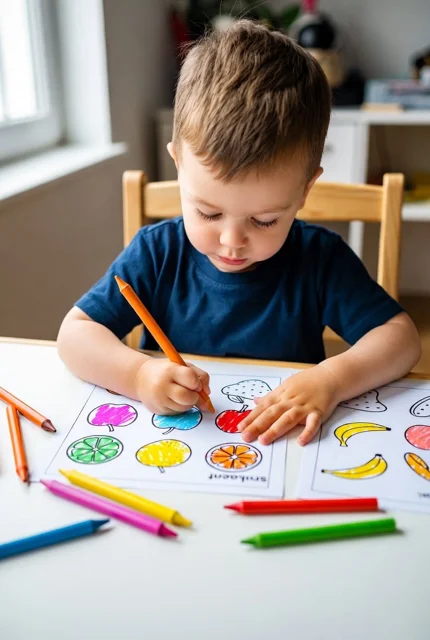
Preschool Coloring & Activity Bundle (printable PDF)
Seven activity types including alphabet coloring for toddler–kindergarten days.
$8.99 printable PDF on Payhip · Instant PDF download; print at home
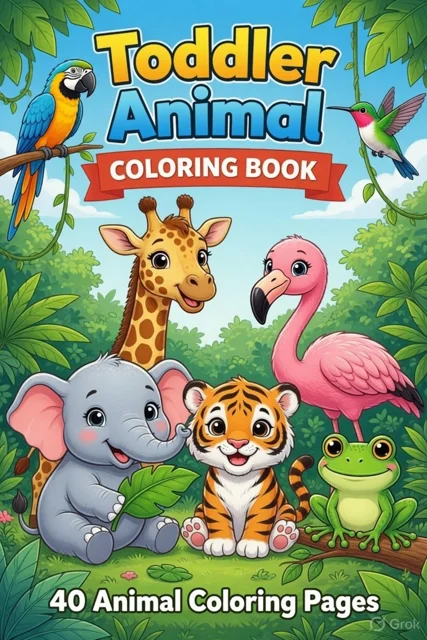
Toddler Animal Coloring Pages (printable PDF)
Big bold animals for calm coloring between letter games.
$1.99 printable PDF on Payhip · Instant PDF download; print at home
Phonics Practice Workbook (Ages 4–6)
Phonics practice workbook for ages 4–6 when your child is ready for sounds.
$12.99 paperback on Amazon.com · Paperback, shipped by Amazon
These are our own books and printables, and we earn money if you buy them. Prices as listed on Amazon.com and Payhip when we checked on 7 November 2026; prices can change, so please confirm on the product page.
Frequently asked questions
What are good alphabet activities for toddlers?
Songs, fridge magnet hunts, sensory bins, letter baths, name-letter spotlights, book walks and simple matching games. Keep sessions short and playful.
At what age should toddlers know the alphabet?
There is no single age. Many toddlers recognize a few meaningful letters (like the first letter of their name) before they know all 26. Follow interest rather than a deadline.
How can I teach letters without worksheets?
Use magnets, chalk, songs, scavenger hunts, playdough and everyday print on signs and boxes. Add light tracing later when hands are ready.
Should I teach uppercase or lowercase first?
Many families start with uppercase because the shapes are simpler, then add lowercase. Name letters matter most either way.
Are these alphabet printables free?
Yes. The 5-page ColorJoy pack is free for personal and classroom use with no email sign-up.
When should we start letter sounds (phonics)?
After letters feel familiar and playful. See our letter-sounds guide for preschoolers when your child is curious about sounds.
Letters can be cozy 🔤
ColorJoy makes bold, easy coloring books and printables for little hands, plus practical guides for real family life. We add new learning guides and free pages every week.
For gentle tracing practice, our pick is the Alphabet & Number Tracing Worksheets printable.
See the Alphabet Tracing Pack on Payhip →
More early learning: fine motor activities for 3-year-olds, how to teach colors to a 2-year-old and printable busy book for 3-year-olds.
Photos: Unsplash (Unsplash License). Illustrations: AI-generated for ColorJoy. Book images and printable art: ColorJoy / Mr A G. This guide is general information for families; it is not a developmental assessment. Talk with your child’s clinician if you have concerns about speech, hearing or learning.